









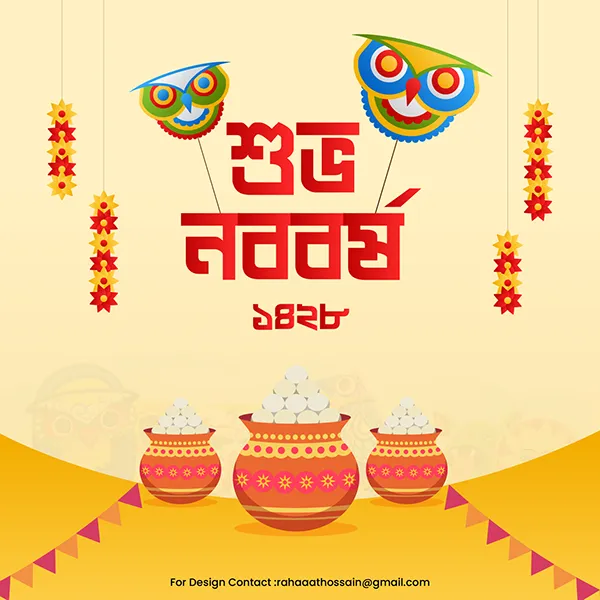
“বৈশাখীর এই সোনালী ফসল আপনার ঘরে যেন প্রচুর ধন সম্পত্তি নিয়ে আসে! আর সুস্বাস্থ্য এবং অফুরন্ত সমৃদ্ধ বয়ে আনুক। শুভ নববর্ষ ১৪৩৩।” This heartfelt wish encapsulates the essence of Shubho Noboborsho, the Bengali New Year, celebrated on April 14, 2026, marking the beginning of the year 1433 in the Bengali calendar.
Poila Boishakh is a significant cultural event for Bengalis, symbolizing new beginnings and the arrival of spring. It is a day filled with vibrant celebrations, where families come together to enjoy traditional foods, wear new clothes, and engage in various cultural activities.
As the day unfolds, people send wishes to loved ones, expressing hopes for prosperity, health, and happiness. One popular saying goes, “নতুন বছর শুরু হোক ভালোবাসা এবং হাসির সঙ্গে… শুভ নববর্ষ ১৪৩৩।” This reflects the spirit of joy and togetherness that characterizes the festivities.
Traditionally, the day is marked by rituals that include the preparation of special meals and the wearing of new garments. The celebration serves as a reminder to let go of past hardships, as expressed in the quote, “পুরনো সমস্ত স্মৃতি, পুরনো সমস্ত কষ্ট মুছে ফেলা, আর পুরনো সব বেদনা মনে না রেখে নতুন বছর শুরু করো।” This highlights the cultural significance of renewal and hope.
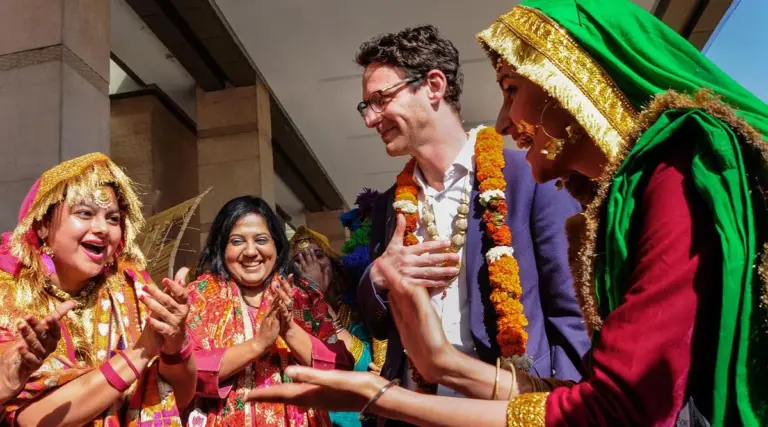
During this time, communities across Kolkata and beyond engage in various cultural activities, from music and dance performances to fairs and parades. The atmosphere is filled with excitement and anticipation for the year ahead.
As families gather to celebrate, they express their aspirations for a better year, reinforcing the sentiment that “নববর্ষ মানেই যেন নতুন স্বপ্ন, নতুন আশা।” This encapsulates the collective hope for prosperity and joy in the coming year.
In 2026, as the Bengali community celebrates the arrival of 1433, the emphasis remains on cultural heritage and the values that bind families and friends together. The day is not just a celebration of the new year but a reaffirmation of identity and tradition.
As the festivities continue, the community looks forward to a year filled with promise and potential, embodying the spirit of Shubho Noboborsho.