










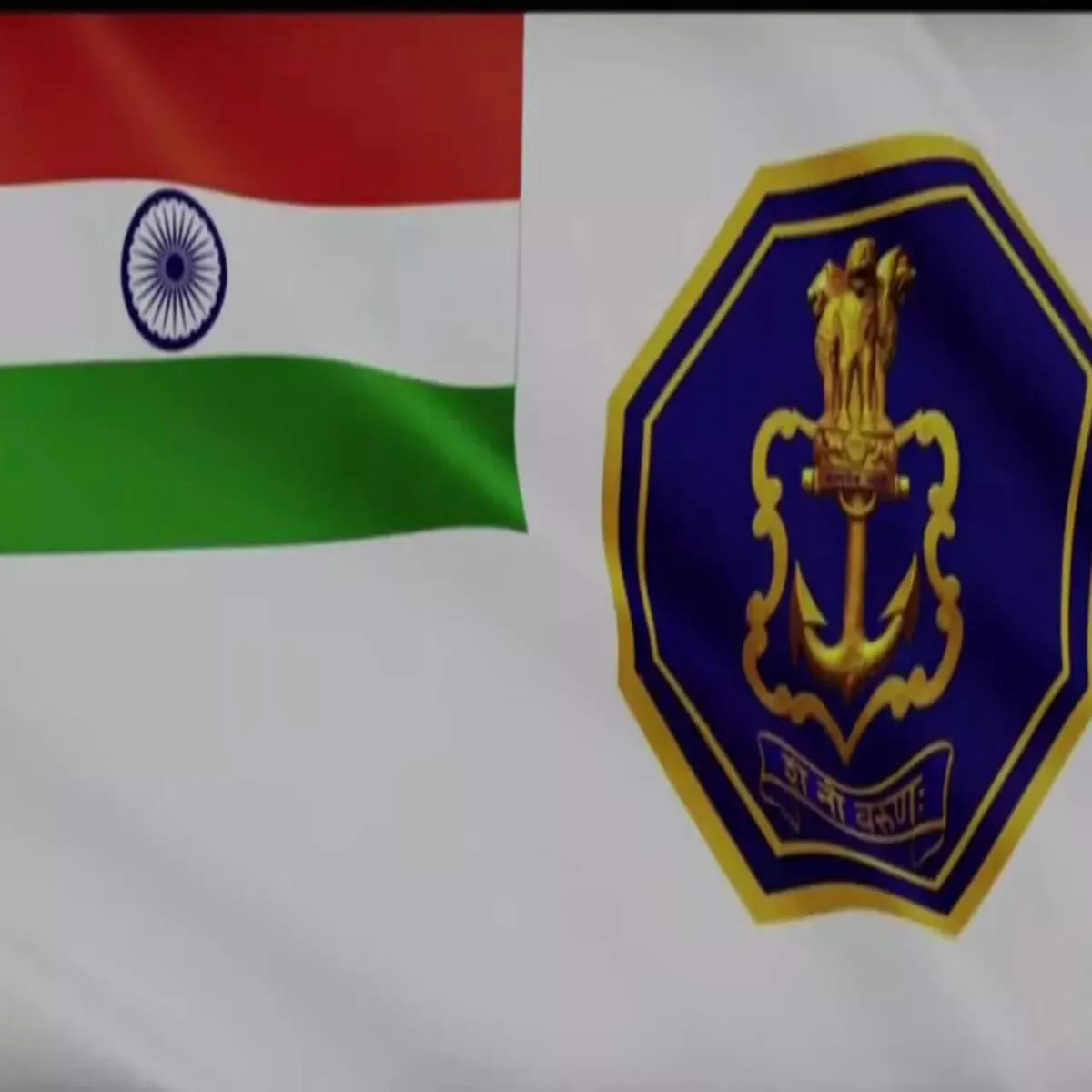
The Indian Navy’s Mahendragiri frigate, featuring advanced stealth technology, was officially handed over on May 1, 2026, marking a significant milestone in indigenous naval capabilities. This event underscores the ongoing efforts to enhance India’s maritime strength through self-reliance.
Prior to this development, the Indian Navy had anticipated bolstering its fleet with modern vessels. The Mahendragiri is particularly noteworthy as it is the sixth and final ship built under Project 17A. This project aims to produce advanced stealth frigates that can enhance operational effectiveness.
Key specifications of the Mahendragiri highlight its advanced capabilities:
- The frigate measures 149 meters in length and weighs approximately 6,670 tons.
- It can reach speeds of up to 28 knots.
- The vessel is designed for sustained operations at sea for up to 45 days.
The Mahendragiri also incorporates state-of-the-art technology, including eight BrahMos supersonic anti-ship missiles and advanced anti-submarine warfare systems. Notably, around 75% of the materials used in its construction are of indigenous origin, reflecting India’s commitment to self-sufficiency in defense.
In addition to naval advancements, the Indian Navy is also focusing on personnel recruitment. On the same day as the frigate handover, the Indian Navy released the SSR Medical Admit Card for Agniveer recruitment. The written examination for Agniveer SSR Medical Assistant will take place on May 16, 2026.
A delegation led by Indian Navy Chief Admiral Dinesh Kumar Tripathi is currently on a goodwill visit to Myanmar until May 6, 2026. This visit aims to strengthen bilateral ties and enhance maritime cooperation between India and Myanmar.
The delivery of the Mahendragiri frigate not only marks a technological achievement but also aligns with India’s broader defense strategy under the Atmanirbhar Bharat initiative. As India navigates complex maritime challenges, such advancements will play a crucial role in ensuring national security.