







Despite more than four years of conflict, prisoner exchanges remain one of the few concrete results from several rounds of US-brokered peace talks between Ukraine and Russia. Recently, Ukraine and Russia exchanged 175 prisoners of war each ahead of a planned ceasefire to mark Orthodox Easter. This exchange was mediated by the United Arab Emirates.
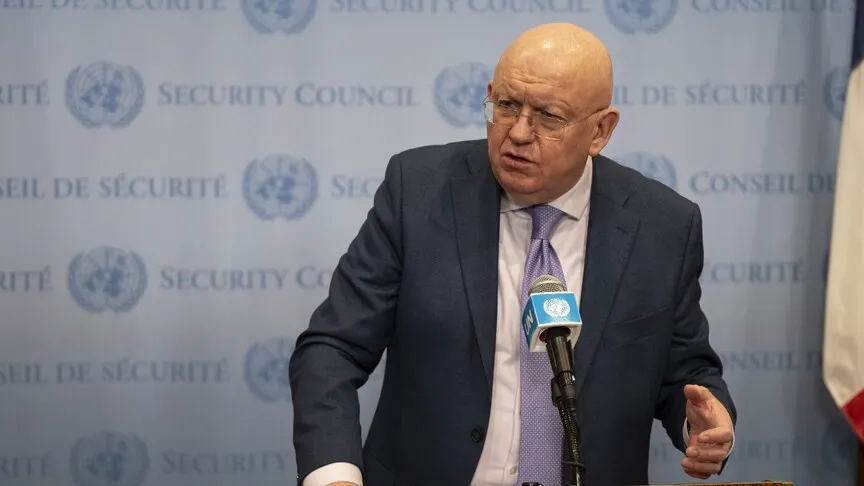
In a contrasting development, Moscow has accused EU member states of preparing for a “major war” against Russia. Vasily Nebenzya, Russia’s envoy to the UN Security Council, stated, “These large-scale military preparations leave no doubt that Europe is seriously preparing for a major war against Russia.” He further claimed that all of the European Union’s efforts are currently focused on inflicting a ‘strategic defeat’ on Russia.
In response to the heightened tensions, the EU has significantly increased its defense spending, which rose by nearly 60% to reach €381 billion ($488 billion) last year. This increase reflects the bloc’s ongoing commitment to bolster its military capabilities amid the ongoing conflict.
On a different front, World Aquatics has lifted a ban on Russian and Belarusian athletes’ participation in international swimming events. These athletes will now be allowed to compete under their national flags, provided they pass at least four consecutive anti-doping controls.
Husain Al Musallam, the president of World Aquatics, emphasized the importance of maintaining competitive integrity, stating, “We are determined to ensure that pools and open water remain places where athletes from all nations can come together in peaceful competition.” This decision marks a significant shift in the sporting landscape for Russian and Belarusian athletes.
As the situation evolves, observers are closely monitoring the implications of these developments on both the military and sports fronts. The prisoner exchange may provide a temporary respite in hostilities, but the underlying tensions between Russia and the EU continue to escalate.