








Nagaland conducted large-scale disaster preparedness mock drills simulating a 7.7-magnitude earthquake on April 30, 2026, to enhance emergency response readiness across multiple districts. This exercise aimed to bolster coordination among emergency services and improve community response during significant disasters.
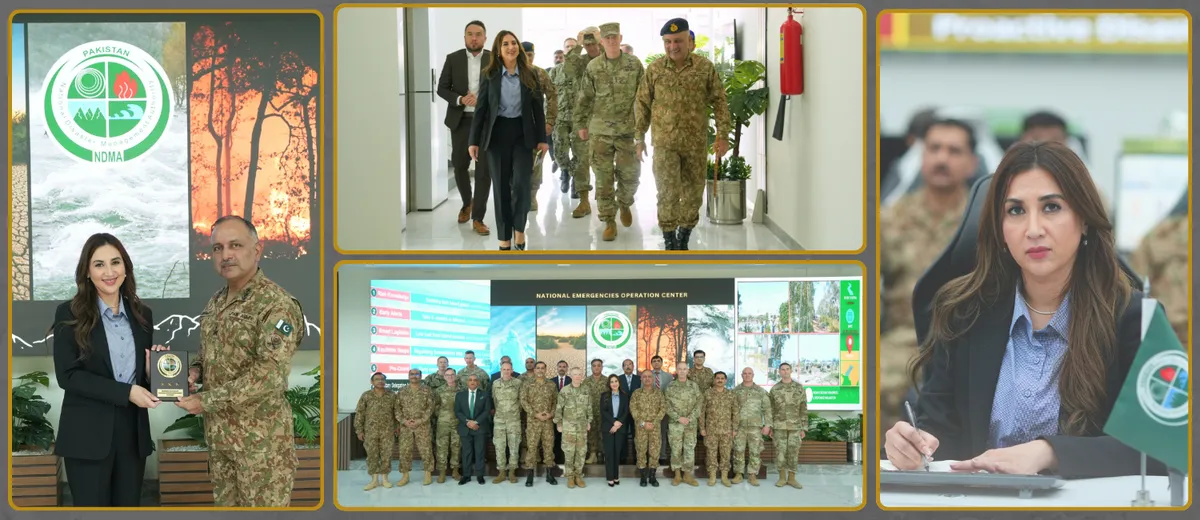
The eighth edition of this state-level mock exercise focused on earthquake and extreme weather scenarios. Organised by the Nagaland State Disaster Management Authority (NSDMA) in collaboration with the National Disaster Management Authority (NDMA) and various district authorities, the drill was designed to assess the state’s readiness for what officials term the ‘mother of disasters.’
Key components of the exercise:
- The simulation included scenarios such as landslides and damage to Dimapur airport.
- Building collapses were also part of the exercise, which anticipated potential casualties.
- A Civil Defence air raid and blackout exercise, named ‘Operation Night Guard,’ was integrated into the drill.
Community participation proved vital, as local residents often serve as first responders during actual emergencies. Maj Gen K.J. Bahl highlighted that this year’s drill was impact-based, featuring district-specific scenarios that included estimated casualties and resource needs.
Abhijit Sinha noted, “The exercise assessed coordination among departments and the effectiveness of communication channels—both critical in disaster response.” The assessment focused on how well different entities could work together under pressure.
Moreover, Nagaland lies in high-risk Seismic Zone V, raising the stakes for effective disaster management strategies. The wind speed during thunderstorms reached up to 60 km/h, which added complexity to the scenario planning.
Public feedback is crucial, as Rupin Sharma pointed out: “Ordinary citizens might face challenges during disasters that authorities may not immediately perceive.” This highlights the importance of continuous improvement in disaster preparedness efforts.