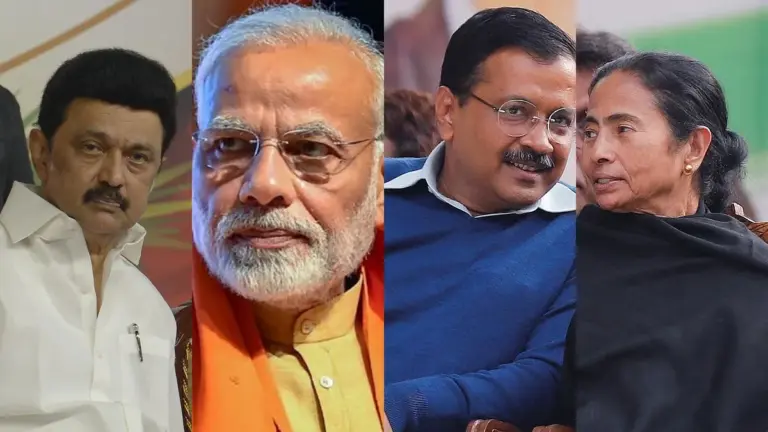



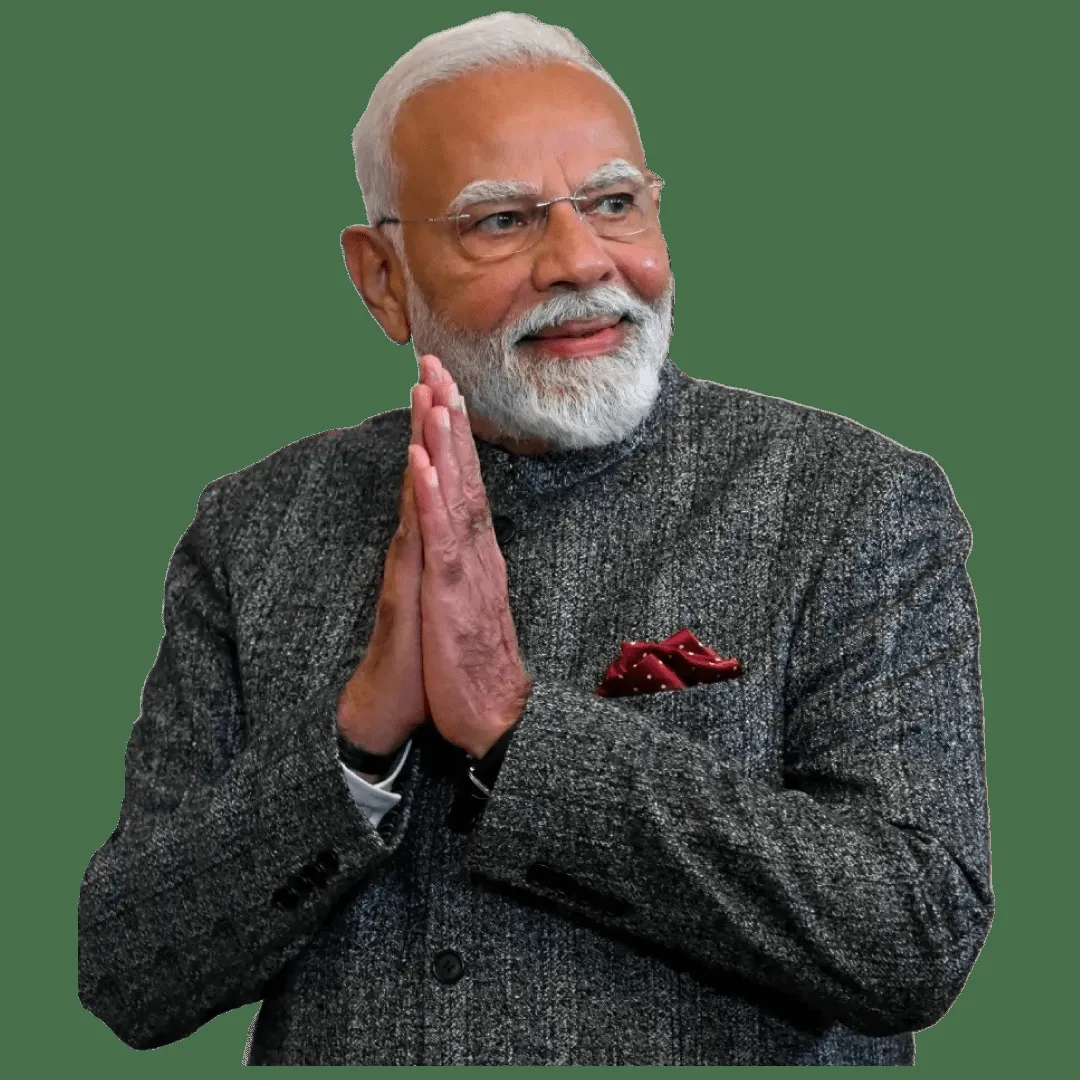
Prime Minister Narendra Modi will inaugurate the Sri Guru Bairavaikya Mandira at Srikshetra Adichunchanagiri mutt in Mandya, Karnataka. This new mandira serves as a tribute to the spiritual lineage of the mutt within the ancient Kalabhairaveshwara temple complex.
The architectural design draws inspiration from various historic styles—specifically, it resembles the Konark Sun temple and incorporates elements from Hoysala, Chola, Chalukya, and Ganga architectures. Such a blend showcases Karnataka’s rich cultural heritage.
Modi’s address comes on the heels of significant political developments. Just a day prior, the Lok Sabha voted against the Constitution Amendment Bill on Delimitation. This decision has implications for Bihar, where more than 74 million voters reside.
Bihar is currently India’s poorest state, with millions migrating elsewhere for job opportunities. The state’s economic struggles are stark; it remains one of the few regions where the BJP has not formed a government independently.
Yet, Modi’s focus on Karnataka during this inauguration signals a strategic move to strengthen ties with southern states. Observers note that such events can influence voter sentiment ahead of upcoming elections.
Officials indicate that this inauguration could be pivotal for local politics. It may also serve as a platform for Modi to address issues affecting Bihar and other states.
The juxtaposition of cultural celebration in Karnataka against political challenges in Bihar highlights the complexity of India’s regional dynamics. As Modi engages with local leaders and citizens, reactions may shape future political landscapes.
Details remain unconfirmed regarding any immediate policy announcements during this event. However, historical context suggests that inaugurations often serve dual purposes—celebrating cultural heritage while reinforcing political narratives.
In summary, PM Modi’s visit underscores a blend of cultural reverence and political strategy as he navigates India’s diverse electoral landscape.