










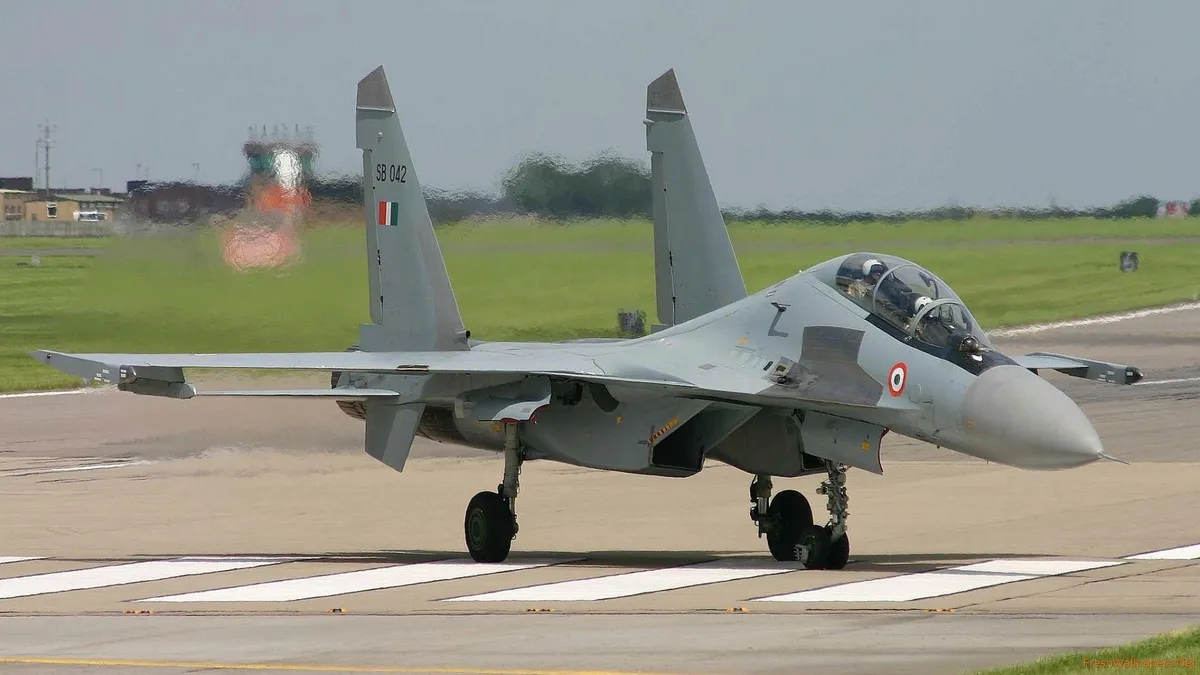
The Indian Air Force (IAF) is set to enhance its operational capabilities significantly through a new partnership with GE Aerospace. The agreement involves establishing an in-country depot facility specifically for F404-IN20 engines. This facility will not only streamline the repair and overhaul infrastructure but also bolster the support for the IAF’s Light Combat Aircraft Tejas fleet.
Currently, GE Aerospace operates around 50,000 commercial engines and 30,000 military engines, showcasing its extensive experience in aviation technology. This partnership marks a pivotal step in ensuring that the IAF can maintain its aircraft more efficiently within India, reducing reliance on foreign facilities.
In a related incident, Pune airport was temporarily closed due to a hard landing involving one of the IAF’s aircraft. The aircraft experienced an undercarriage failure upon landing, leading to an estimated 4-5 hours required to move it and restore runway operations. Such incidents underline the critical need for robust maintenance facilities like the one being established with GE Aerospace.
The IAF Chief recently undertook a familiarization flight in a Boeing F-15EX Eagle II fighter aircraft at Nellis Air Force Base. This advanced multirole fighter boasts impressive specifications, including a maximum payload of 29,500 pounds (13,381 kilograms), a top speed of Mach 2.5, and a service ceiling of 50,000 feet. The aircraft is designed to enhance combat readiness and operational flexibility.
The U.S. Air Force has emphasized the importance of its defense partnership with India during discussions with the Indian Air Chief. This collaboration is vital as both nations seek to strengthen their defense ties in an increasingly complex geopolitical landscape.
With this new facility and ongoing partnerships, observers expect that the IAF will see improved operational efficiency and readiness. The establishment of domestic repair capabilities is crucial for ensuring that aircraft are maintained at high standards without delays associated with overseas servicing.
This strategic move aligns with India’s broader defense modernization efforts and reflects an ongoing commitment to enhancing national security through advanced technology and infrastructure development.