









The introduction of a Multi-Lane Free Flow (MLFF) barrier-less tolling system in India marks a significant shift towards automated and seamless travel on national highways. This new system, set to launch on December 1, 2026, will streamline toll collection processes across the country.
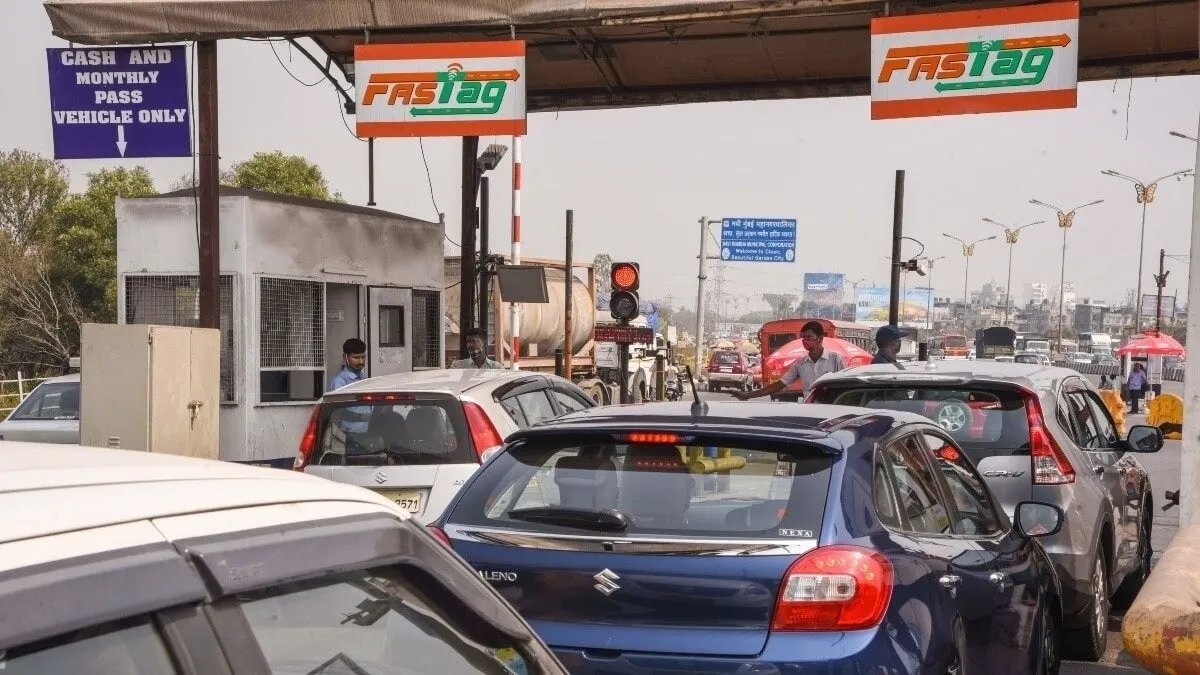
Vehicles will no longer need to stop at toll plazas, significantly reducing wait times and improving traffic flow. The system employs AI cameras and sensors to scan vehicle number plates and FASTags, ensuring that transactions occur automatically.
Key facts about the new tolling system:
- The system allows vehicles to pass through without stopping at toll plazas.
- Toll payments will be automatically deducted from linked bank accounts or wallets.
- Cash payments at toll plazas will be phased out, making FASTag or UPI mandatory.
- Penalties will apply for vehicles without valid FASTags or insufficient balance.
- If FASTag fails, QR codes will be available for UPI payments.
Nitin Gadkari emphasized that drivers must ensure their FASTag is active and linked to their bank account. He stated, “Now you will not have to stand in long queues at toll plazas or stop your vehicle.” The government aims to make the highway network cashless and reduce human intervention in the process.
This initiative reflects a broader push towards digital payments in India. The transition to a cashless highway network aligns with global trends in transportation technology. However, entry to toll plazas may be restricted for repeated violations of the new rules.
As the December 2026 implementation date approaches, authorities are expected to release further guidelines on compliance and enforcement measures. The next steps involve educating drivers about the new requirements and ensuring a smooth transition from traditional cash payments.