









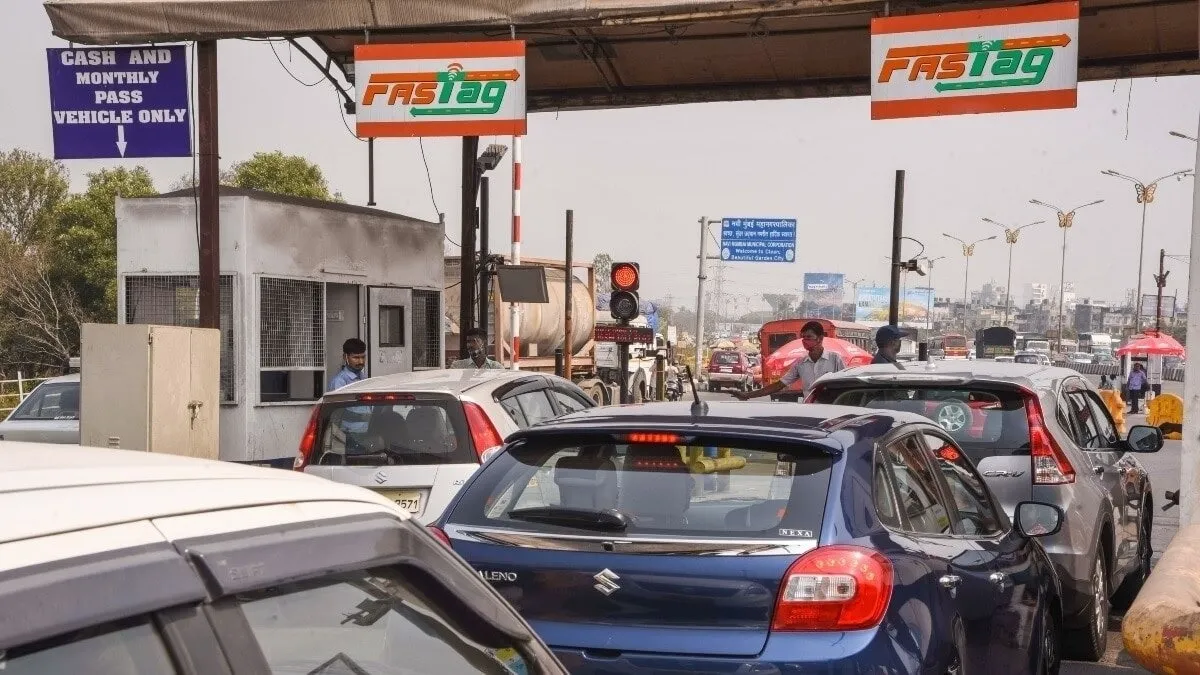
The introduction of a barrier-less tolling system in India, set to launch on December 1, 2026, represents a major shift towards automated and seamless travel on national highways. This initiative aims to enhance the efficiency of toll collection while promoting cashless transactions.
The new system will allow vehicles to pass through toll plazas without stopping, utilizing AI technology. AI cameras and sensors will scan vehicle number plates and FASTags, facilitating automatic toll payments deducted from linked bank accounts or digital wallets.
Key facts about the new tolling system:
- The current requirement for vehicles to stop at barriers will be eliminated.
- Cash payments at toll plazas will be phased out, mandating the use of FASTag or UPI for transactions.
- Punishments will apply for vehicles lacking valid FASTags or insufficient balance.
- QR codes will be available for UPI payments if FASTag fails.
Nitin Gadkari, Minister of Road Transport and Highways, emphasized that “Now you will not have to stand in long queues at toll plazas or stop your vehicle.” The goal is to ensure that drivers can travel smoothly without interruptions.
Additionally, drivers must confirm that their FASTag is active and properly linked to their bank accounts. The government aims to create a fully cashless highway network, minimizing human intervention in toll collection processes.
As part of the enforcement measures, entry to toll plazas may be restricted for repeated violations of these new rules. This approach underscores the government’s commitment to adopting advanced technologies in transportation management.
While the transition to this new system is underway, uncertainties remain regarding how effectively it will be implemented across all regions. However, the push towards a cashless highway network signifies an important evolution in India’s approach to toll collection and road management.