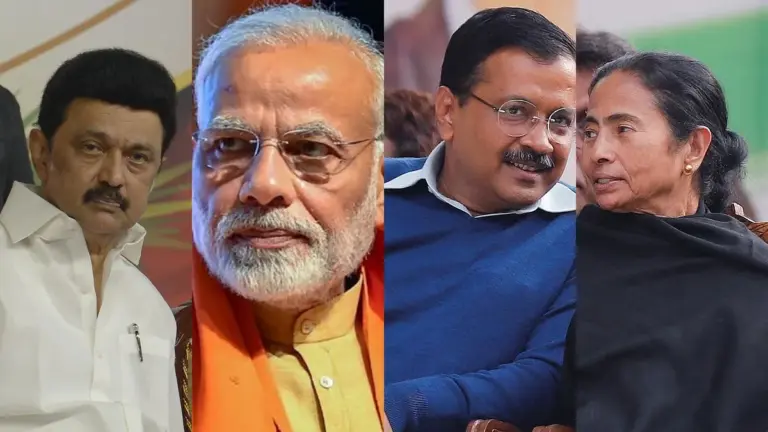










The 2026 elections in India have produced surprising results, particularly with the BJP set to gain control in West Bengal and a new party led by actor Vijay making a significant impact in Tamil Nadu.
Before these elections, expectations leaned heavily towards the Trinamool Congress (TMC) maintaining its stronghold in West Bengal, where it had governed for 15 years. However, the BJP has surprised many by securing 72 seats out of 293 total assembly seats. This marks a historic shift as BJP is on track to form its first government in West Bengal since Independence.
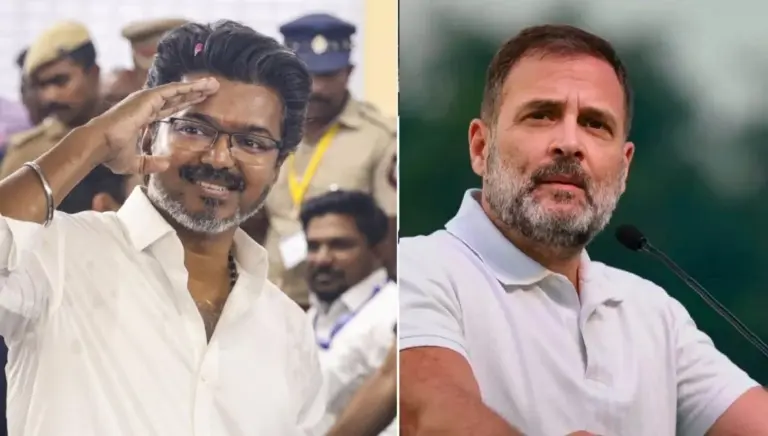
In Tamil Nadu, the newly formed TVK party is also making headlines. With 65 seats won and leads on another 43 seats, it is clear that Vijay’s entry into politics has resonated with voters. This debut performance illustrates a significant disruption of traditional party dynamics.
Meanwhile, the United Democratic Front (UDF) has dominated in Kerala, winning 99 seats. The Congress secured 63 seats, while its ally IUML added 22 seats. This outcome indicates a solid return to power after previous setbacks.
In Assam, the BJP has claimed 73 seats from 101 declared constituencies, reinforcing its dominance in the region. The Congress gained ten additional seats while AIUDF managed to clinch two.
Puducherry also sees a shift as the National Democratic Alliance is expected to form the next government with a majority of 18 seats out of 30. These results reflect broader trends favoring alliances that resonate with local sentiments.
The voter turnout in West Bengal reached an impressive 92 percent, indicating high engagement levels among constituents. This turnout may have played a crucial role in influencing these pivotal election outcomes.
Mamata Banerjee remains competitive, leading over her BJP rival Suvendu Adhikari in Bhabanipur constituency. As these results unfold, they signal potential changes in political alignments across various states.