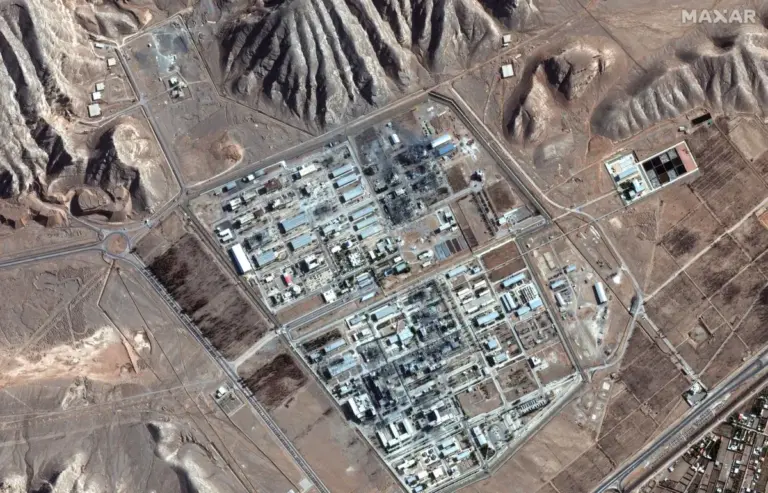











The US has rejected Russia’s proposal to transfer all of Iran’s enriched uranium to Russian soil, a decision that could have significant implications for regional stability. Dmitry Peskov, the Kremlin spokesperson, confirmed this rejection on April 16, 2026. This proposal was initially made by Russia in June 2025 and was aimed at alleviating tensions in the Middle East.
Iran has consistently maintained that its enriched uranium is solely for peaceful energy purposes. However, this assertion is met with skepticism from various nations, including the US. The rejection of the proposal may further complicate the existing instability in the region.
Currently, the UAE is facing a critical situation due to ongoing conflicts. They have warned that they might have to resort to using Chinese yuan for oil trade if the Iran-US war continues. This is a significant shift; it reflects broader economic concerns and potential shifts in global trade dynamics.
In fact, the UAE central bank governor has indicated a looming crisis regarding dollar availability due to the ongoing conflict. The situation has escalated dramatically—there have been approximately 2,800 drone and missile attacks launched at UAE targets during this period.
The US response has also been substantial. Reports indicate that it has spent around $2 billion per day during the first 40 days of this conflict. This figure underscores the scale of military involvement and financial commitment from the United States.
Peskov expressed disappointment over the US decision, stating, “We were ready to accept Iran’s enriched uranium on Russian soil. This would have been a very good decision, but unfortunately, America rejected this proposal.” His comments highlight Russia’s willingness to engage diplomatically while emphasizing America’s role in rejecting potential solutions.
Details remain unconfirmed regarding the exact implications of this rejection on regional stability. However, it is clear that tensions are rising as both military actions and economic strategies evolve in response to ongoing conflicts.