







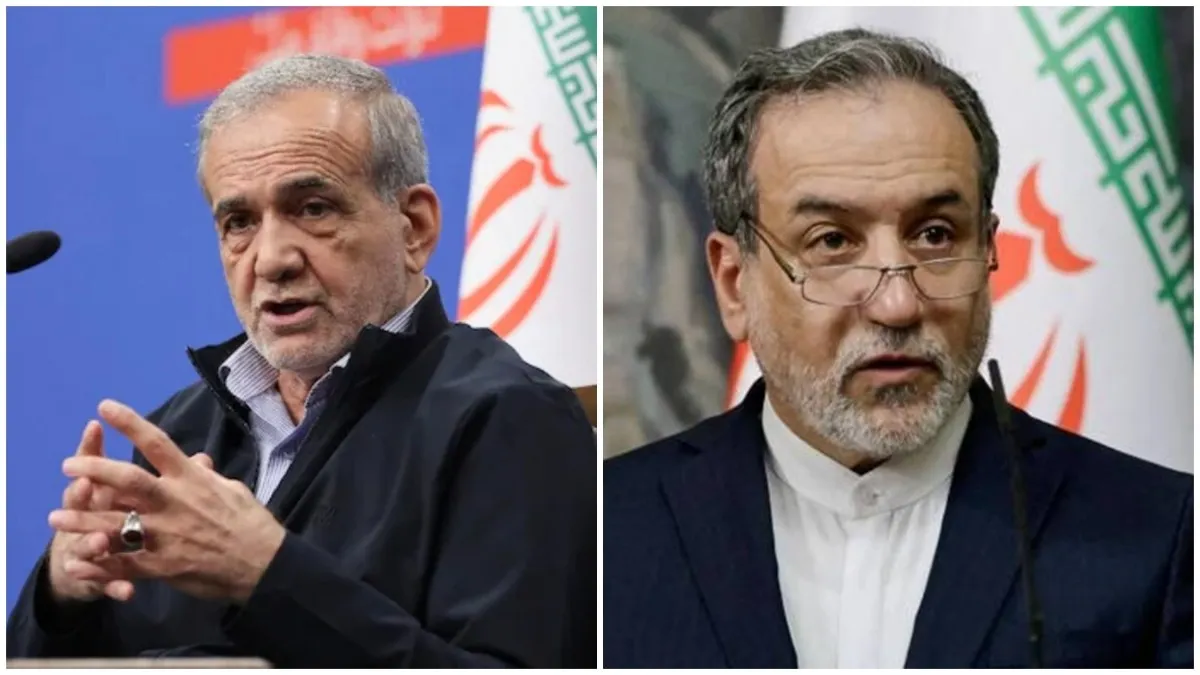
“Pezeshkian has told close associates that he will dismiss Araghchi if such conduct continues,” said President Masoud Pezeshkian, highlighting the growing tensions within Iran’s leadership regarding Foreign Minister Abbas Araghchi. As of May 1, 2026, these tensions have escalated amid accusations of Araghchi’s alignment with the Revolutionary Guard.
Internal rifts have emerged over Araghchi’s handling of Iran-US negotiations, with Pezeshkian and Parliament Speaker Mohammad Bagher Ghalibaf leading the charge for his ouster. They accuse him of acting more like an aide to Revolutionary Guard Commander Ahmad Vahidi than a cabinet minister.
Araghchi’s direct coordination with Vahidi—without informing President Pezeshkian—has caused significant frustration among other leaders. This situation reflects deeper divisions within Iran’s political landscape, particularly regarding its nuclear program and relations with the United States.
Ghalibaf previously resigned from his position as head of the negotiating team after facing reprimand for including sensitive nuclear discussions. These events underscore a critical moment for Iran, as hardline lawmakers aligned with Saeed Jalili have expressed their refusal to support the current negotiating team.
On April 24, Araghchi traveled alone to Islamabad to deliver Tehran’s proposal to Pakistani officials. However, the United States president rejected this proposal shortly after its delivery, indicating a lack of progress in ongoing negotiations.
The Revolutionary Guards reportedly hold significant influence over key managerial positions within Iran due to this critical situation. This has raised concerns about regional stability and Iran’s diplomatic posture moving forward.
Despite these challenges, Araghchi stated that cooperation between Iran and Russia continues to expand amid regional uncertainty. Russian Foreign Minister Sergey Lavrov described a recent two-hour meeting between the two nations as constructive and practical.
As these internal disputes unfold, it remains unclear how they will impact Iran’s broader foreign relations and domestic policies. The next expected development involves Pezeshkian’s potential decision regarding Araghchi’s future in the cabinet.