









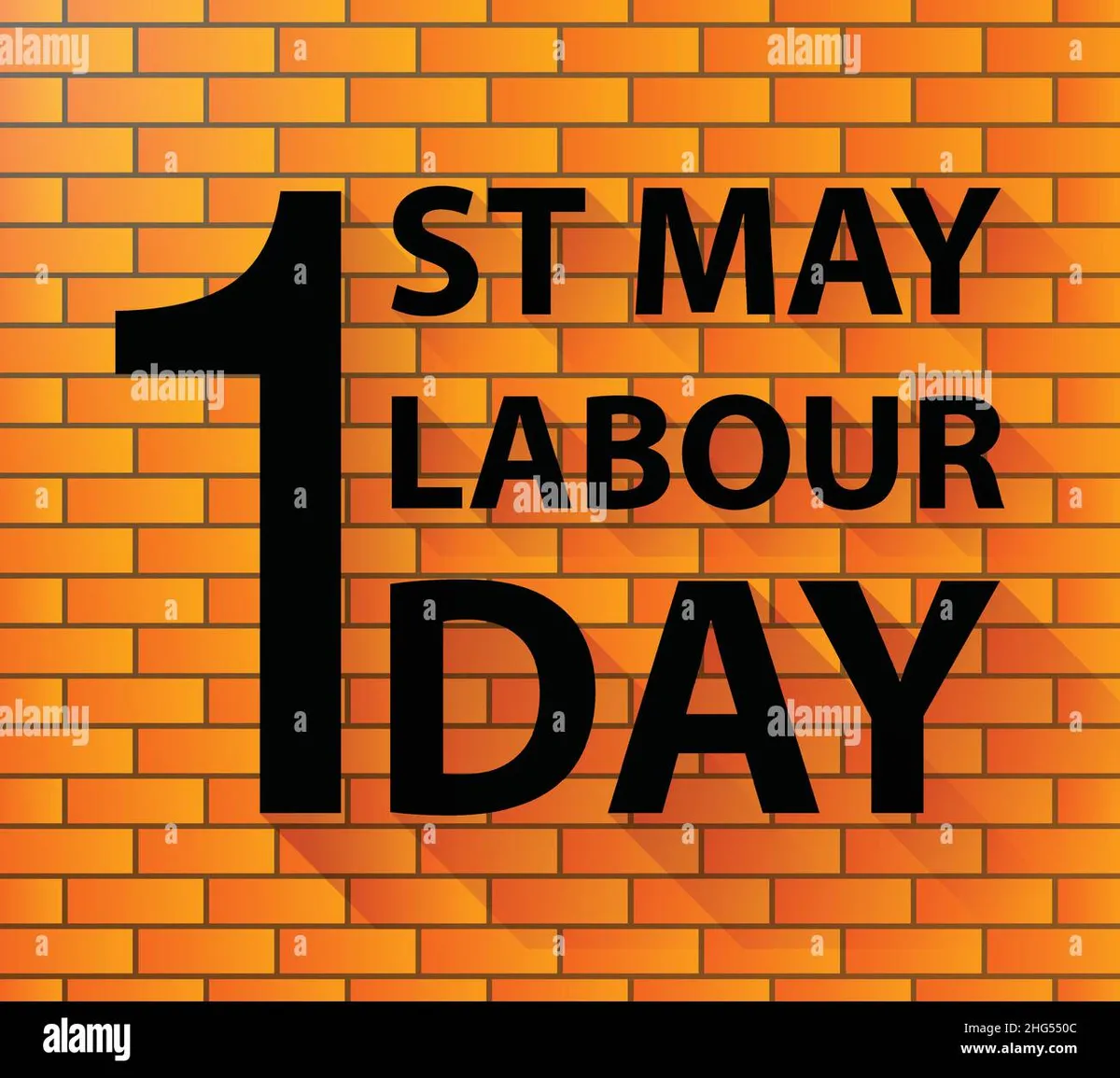
Labour Day rallies on May 1 are marked by global protests against rising energy prices and calls for workers’ rights amidst fears of a recession. This day, also known as International Workers’ Day or May Day, honors workers’ contributions to society and economies.
In recent years, Labour Day has evolved into a platform for addressing pressing issues like income inequality and economic hardship. For instance, in Gaza and the West Bank, approximately 550,000 workers currently lack income, highlighting severe economic challenges. These conditions have intensified calls for fair treatment and dignity among workers.
Key statistics:
- Labour Day is observed globally with significant demonstrations in South America, Europe, and Asia.
- The European Trade Union Confederation represents 93 trade union organizations across 41 European countries.
- Extreme wealth concentration is evident; some CEOs earn over $100 million in pay and bonuses.
The current climate of rising fuel prices has prompted leaders to voice their concerns. Renato Reyes stated that there will be a louder call for higher wages and economic relief due to unprecedented spikes in fuel prices. Similarly, Josua Mata emphasized the interconnectedness of local conditions to the global crisis.
The European Trade Union Confederation remarked, “Working people refuse to pay the price for Donald Trump’s war in the Middle East.” This sentiment reflects a growing frustration among workers who feel the burden of economic policies that favor the wealthy over the working class.
As Labour Day approaches, many anticipate that these protests will escalate. Observers predict an increased focus on advocating for workers’ rights and addressing income inequality as fears of a global recession loom large.