








India’s Historic Victory
On March 8, 2026, in Ahmedabad, India faced New Zealand in the T20 World Cup final, a match that would solidify India’s dominance in the format. The Indian team, led by captain Suryakumar Yadav, was determined to reclaim the title after a decade-long wait for a major trophy.
India set a formidable target, scoring a total of 250 runs in the final. The opening duo of Sanju Samson and Rohit Sharma provided a strong foundation, with Samson scoring 89 runs off 46 balls and Sharma contributing 52 runs off 21 balls. Their partnership was crucial, as they put together a stand of 105 runs for the second wicket.
The powerplay was particularly impressive, with India scoring 92 runs, the highest in T20 World Cup history. This aggressive start set the tone for the rest of the innings, allowing India to dominate the match.
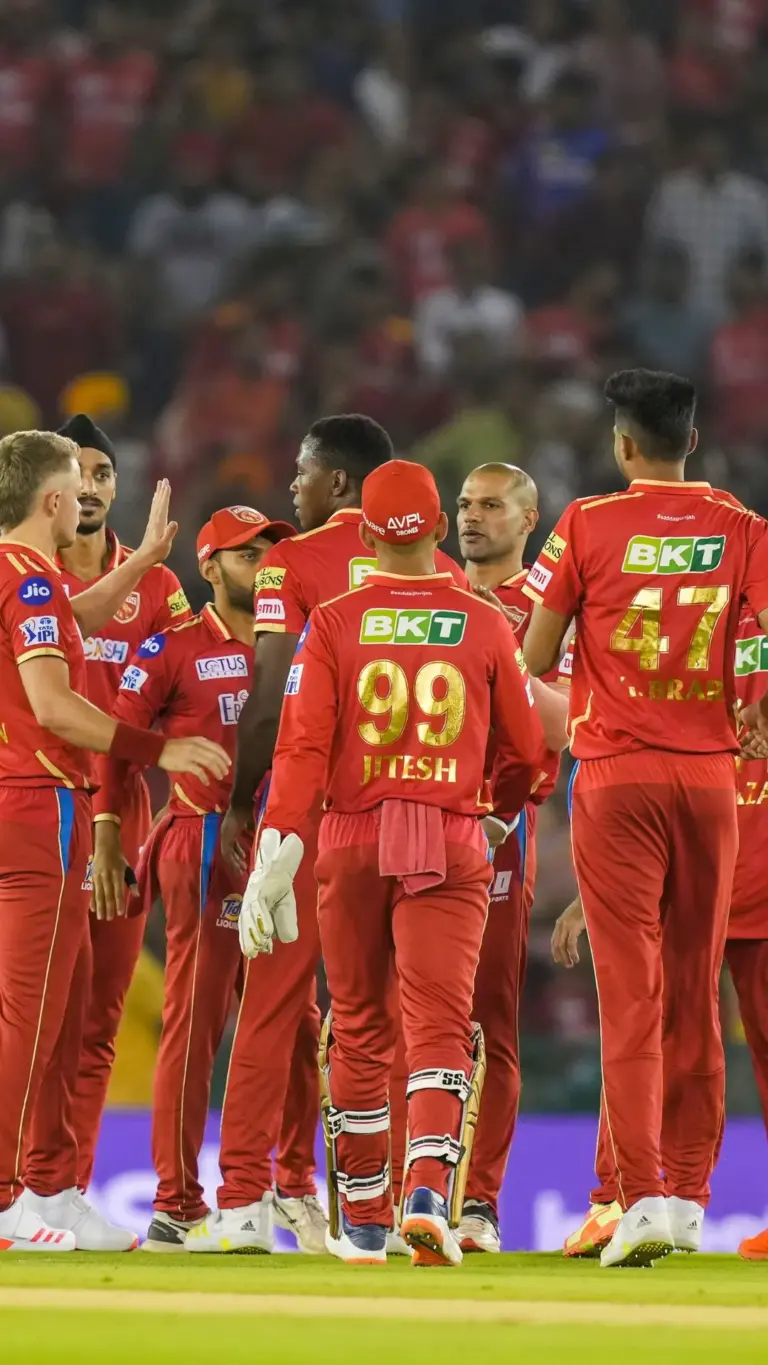
In a thrilling finish, Shivam Dube made a significant impact by scoring 24 runs in the last over, further extending India’s lead. Ultimately, India won the match by 96 runs, marking a significant achievement in their cricketing history.
Sanju Samson’s exceptional performance earned him the title of player of the tournament, a recognition he cherished deeply. Reflecting on his journey, he stated, “I thought: ‘My dreams are shattered, what else can I do?’” His resilience and determination were evident throughout the tournament.
Former cricketer Gautam Gambhir praised Samson’s comeback, saying, “Coming back from the kind of form that he was in takes so much character and courage.” This sentiment resonates with the team’s overall journey, having gone more than a decade without winning a major trophy before this victory.
New Zealand’s Mitchell Santner acknowledged the challenge posed by India, stating, “We all know that we weren’t at our best, and if you aren’t at your best against a very good team you’re going to be exposed.” This highlights the competitive nature of the match and the high stakes involved.
With this victory, India became the first men’s side to win three T20 World Cup titles, further establishing their legacy in international cricket. The next Men’s T20 World Cup is scheduled to be held in Australia and New Zealand in 2028, while the ODI World Cup will take place in Africa in 2027.
The significance of this win extends beyond the trophy; it represents a resurgence for Indian cricket and a testament to the team’s hard work and perseverance. As Suryakumar Yadav expressed, “I’m very excited by the way things have gone since then,” reflecting the optimism surrounding the team’s future.