










Unprecedented Heat in Delhi
As March 2026 unfolds, Delhi is witnessing an extraordinary weather pattern that has set the stage for an early summer-like experience. Just before the onset of this unusual heat, the city was already grappling with rising temperatures, but the current situation has escalated dramatically. The minimum temperature in Delhi recently recorded a staggering 24°C, while the maximum soared to 37°C, marking a significant deviation from seasonal norms.
Breaking Historical Records
This month, Delhi’s seven-day average temperature has been reported to be approximately 7.3°C above normal, a concerning trend that has not been seen since 2011. The current weather conditions are not just a temporary spike; they are indicative of a broader climatic shift. RK Jenamani, a meteorologist, noted that the city recorded the warmest morning of the season, with temperatures reaching 19 degrees Celsius, which is five degrees above the seasonal average.
Air Quality Concerns
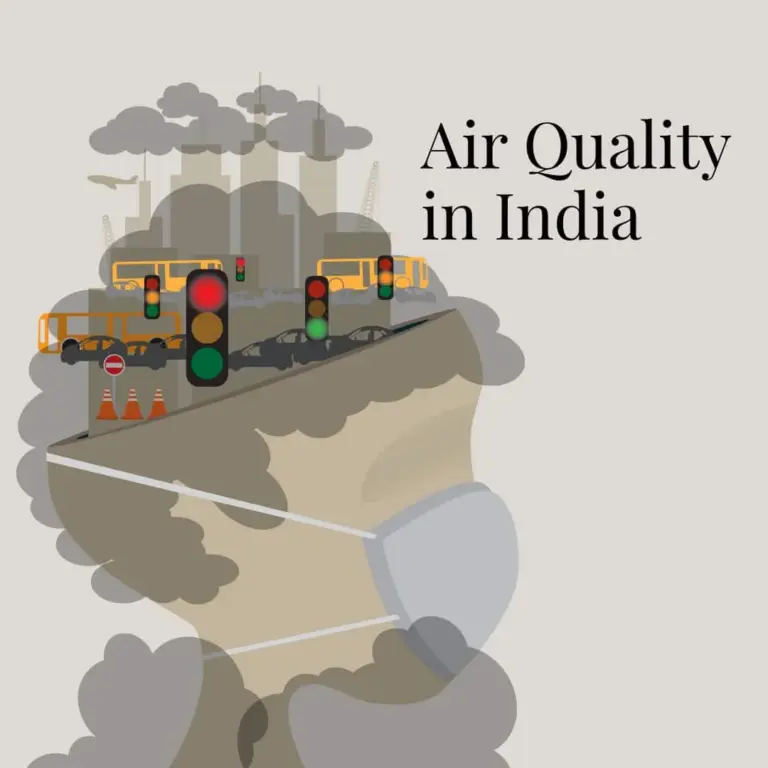
Alongside the rising temperatures, Delhi’s Air Quality Index (AQI) has reached a concerning level of 312, categorizing it as very poor. This deterioration in air quality poses significant health risks to residents, particularly vulnerable populations such as children and the elderly. The combination of high temperatures and poor air quality is raising alarms among health officials and environmentalists alike.
Regional Weather Patterns
Interestingly, while Delhi is experiencing these high temperatures, the northern hill states of India, including Jammu & Kashmir, Himachal Pradesh, and Uttarakhand, are witnessing light to moderate snowfall. Jammu & Kashmir is expected to experience scattered snow and rain until March 12, showcasing a stark contrast in weather patterns across the region. This divergence highlights the complex nature of climate systems at play.
Future Weather Predictions
Looking ahead, meteorologists suggest that temperatures in Delhi may not significantly drop in the immediate future. However, under the influence of a western disturbance, a decline in mercury levels is anticipated from Thursday onwards. This potential shift could provide some relief from the oppressive heat, but the long-term forecast remains uncertain.
Implications of Current Weather Trends
The current weather conditions in Delhi are not just a matter of discomfort; they have broader implications for public health and environmental policy. The unusual heat and poor air quality can exacerbate respiratory issues and other health problems, prompting calls for immediate action to address air pollution and climate change. Residents are advised to take precautions to protect their health during this extreme weather period.
As March 2026 progresses, the weather in Delhi serves as a stark reminder of the changing climate and its impacts. With temperatures significantly above normal and air quality deteriorating, the situation is critical. Stakeholders at all levels must consider the implications of these weather patterns and work towards sustainable solutions to mitigate the effects of climate change on urban environments.