









What the data shows
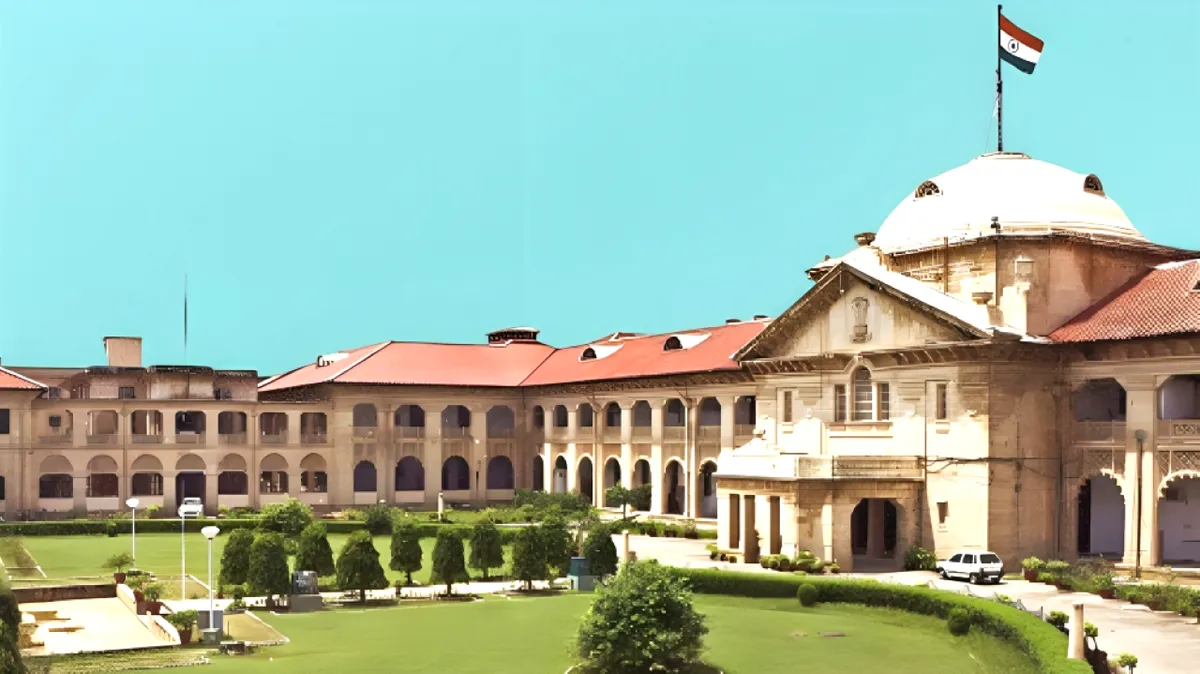
The recent ruling by the Allahabad High Court raises an essential question: Should officiating principals of grant-in-aid institutions receive salaries equal to their regular counterparts? The court’s answer is a resounding yes, emphasizing the need for equitable pay in the education sector.
On April 6, 2026, the Allahabad High Court ruled that officiating principals must be compensated at a rate equal to that of regular principals. This decision stems from the recognition that these individuals perform duties that are not only essential but also more onerous than those of other teachers within their institutions. The court stated, “Having recognized that a person is required to officiate as Principal of an intermediate college by way of necessity existing in law and he is required to perform higher and more onerous duties, than that of any other teacher at such institution, his right to receive higher salary commensurate to such duties discharged, may never be defeated.” This ruling is a significant step towards ensuring fair treatment for educational leaders.
The court’s decision is grounded in the provisions of the U.P. Education Service Selection Commission Act, 2023, which overrides previous regulations from the U.P. Intermediate Education Act, 1971. The court clarified that while the Commission Act does not negate the provisions for appointing ad-hoc or officiating principals under the grant-in-aid scheme, it does highlight the necessity for these positions to be filled appropriately.
Furthermore, the court allowed the petitioners to continue serving as officiating principals until regular appointments are made. This interim measure is crucial as it provides stability in leadership during a transitional period. The court also directed that these officiating principals are entitled to a salary that reflects their responsibilities, which is a significant acknowledgment of their role in the educational framework.
In its ruling, the court noted that the conditions of service for ad-hoc and officiating principals are governed by the provisions of section 16G of the U.P. Intermediate Education Act of 1921. This historical context underscores the long-standing nature of the issues surrounding the appointment and compensation of educational leaders in Uttar Pradesh.
Moreover, the court emphasized that the failure of the Committee of Management to notify vacancies should not hinder the rights of officiating principals to receive appropriate salaries. The ruling serves as a reminder that educational governance must prioritize the welfare of those who lead institutions, ensuring they are compensated fairly for their contributions.
As the educational landscape in Uttar Pradesh continues to evolve, this ruling sets a precedent for future governance and compensation structures. The implications of this decision may extend beyond just salaries, potentially influencing how educational institutions approach leadership roles and responsibilities moving forward. Details remain unconfirmed regarding the implementation timeline for these changes, but the ruling undoubtedly marks a pivotal moment in the governance of education in the state.