








Transition of Power in Iran
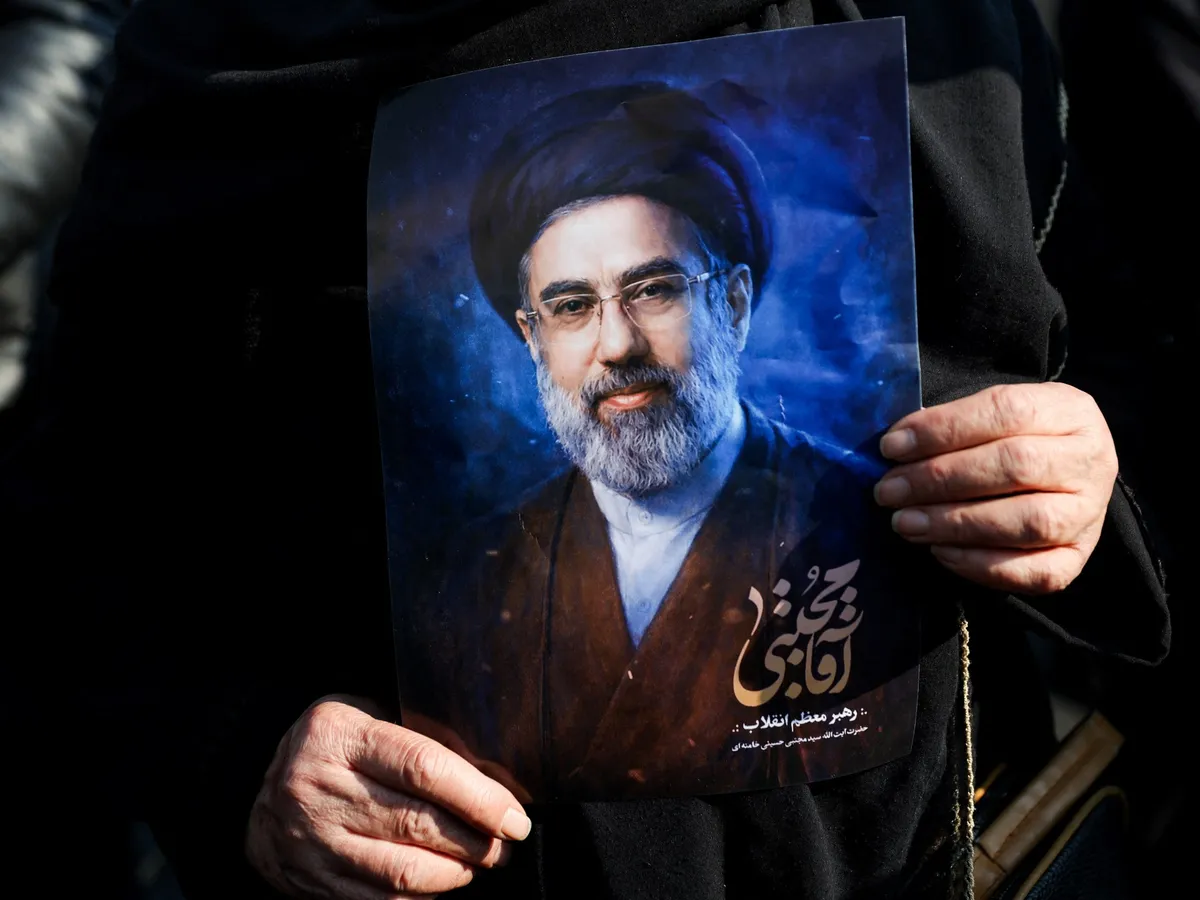
The political landscape in Iran has undergone a significant transformation with the appointment of Mojtaba Khamenei as the new Supreme Leader. This change follows the death of his father, the late Supreme Leader Ali Khamenei, who had held the position for over three decades.
Prior to this development, expectations were centered around a potential power vacuum and uncertainty regarding Iran’s leadership. The sudden loss of Ali Khamenei raised questions about the future direction of the Islamic Republic, especially amid ongoing conflicts with the US and Israel.
Decisive Moment
Mojtaba Khamenei was appointed on March 9, 2026, shortly after his father’s death, which reportedly occurred due to US-Israeli strikes. His appointment was met with immediate backing from Iran’s political and security establishment, signaling a continuity of leadership despite the tumultuous circumstances.
In the wake of his appointment, mass rallies were held across Iran, demonstrating public support for Mojtaba Khamenei. Additionally, regional leaders, including Iraq’s Prime Minister Mohammed Shia al-Sudani, expressed confidence in his ability to lead during this sensitive period.
Reactions and Implications
The reactions to Khamenei’s appointment have been polarized. US President Donald Trump criticized the decision, labeling it a mistake and questioning its longevity. In contrast, Russian President Vladimir Putin extended his support, emphasizing the courage required to lead Iran amidst ongoing armed conflicts.
Israel’s Foreign Ministry took a more aggressive stance, branding Khamenei a ‘tyrant’ and warning of potential consequences for his leadership. Meanwhile, Yemen’s Houthis congratulated him, reflecting regional alliances that may influence Iran’s foreign policy.
Expert Perspectives
Experts suggest that Mojtaba Khamenei’s rise to power could signify a continuation of his father’s policies, particularly in relation to Iran’s adversaries. As noted by Israel’s Foreign Ministry, his leadership is already associated with the bloodshed that characterized his father’s tenure.
As the situation unfolds, the implications of this leadership change will likely resonate throughout the Middle East, impacting diplomatic relations and regional stability.
Details remain unconfirmed regarding the full extent of the political and social ramifications of this transition, but the immediate reactions indicate a divided response from both domestic and international actors.