









In El Salvador, the government has been enforcing a state of exception for four years as part of its aggressive anti-gang campaign. This initiative has led to the detention of approximately 91,000 individuals, many of whom are awaiting trial in a mega-prison specifically designed for gang members.
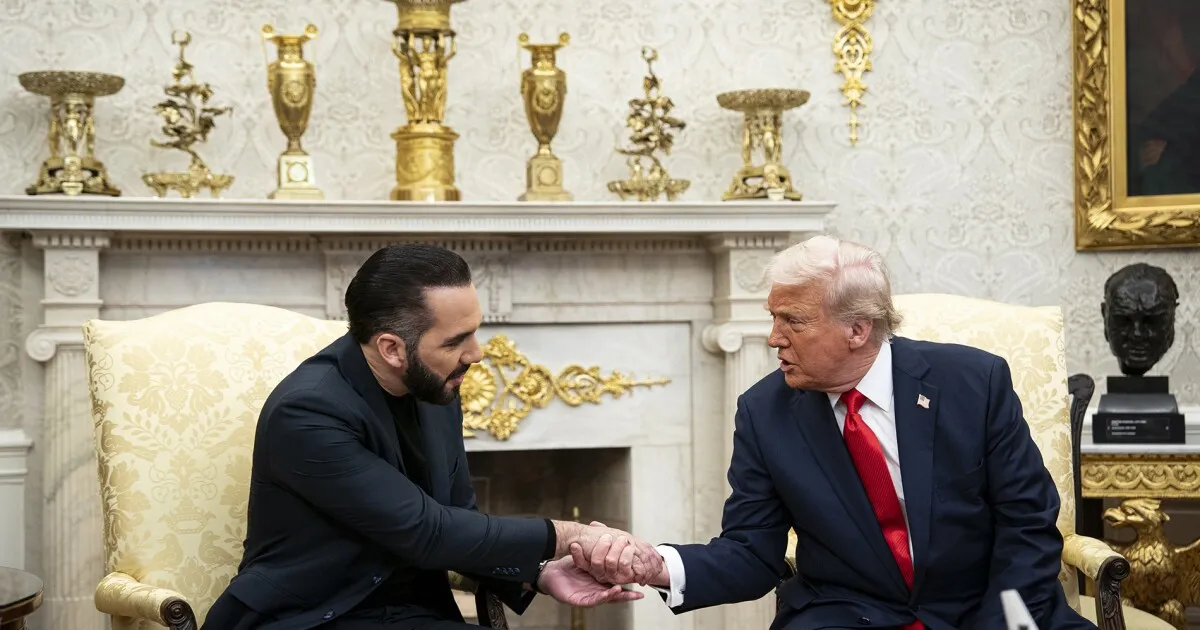
On April 7, 2026, the documentary titled “The Deal: Trump, Bukele & the Gangs of El Salvador” is set to premiere, shedding light on President Nayib Bukele’s controversial deal with former President Donald Trump. This agreement involved the imprisonment of deportees accused of gang affiliations, further complicating the landscape of gang violence in the country.
Mass trials are currently moving forward, with around 20,000 detainees grouped together for these proceedings. The attorney general’s office has promised 3,000 indictments in the first quarter of the year, aiming to expedite the legal process against alleged gang members.
The Salvadoran government has also approved life imprisonment for gang members, including minors, which has raised significant concerns among human rights organizations. Reports indicate that the trials lack basic guarantees of due process, increasing the risk of wrongful convictions.
Individuals like Williams Díaz, who was detained while on his way to work, and Jonathan, a 24-year-old maquila worker, are among those caught in this legal turmoil. Jonathan was grouped into a Mara Salvatrucha clique with about 80 other detainees, highlighting the indiscriminate nature of these mass arrests.
Human Rights Watch has documented instances where detentions were triggered by anonymous calls and neighborhood disputes, raising questions about the validity of the evidence used against many detainees. The reforms to the organized crime law have eliminated hearings where evidence is evaluated, further eroding the legal protections for those accused.
As Reynaldo Santos, a detainee, expressed, “It is Russian roulette, anguish, an ordeal.” This sentiment reflects the anxiety felt by many who fear that the grouping of detainees effectively presumes guilt. An anonymous lawyer noted, “From the moment they group them together, they are declaring them guilty.”
Despite these concerns, Bukele maintains a high level of popularity for his efforts to curb gang violence, even as reports of wrongful arrests continue to surface. As Gladis Villatoro stated, “Some will pay for others. If they convict one, they convict the whole group.” This statement encapsulates the precarious situation faced by many in the current judicial climate.
Currently, the exact number of wrongful arrests remains unclear, and details of the deal between Trump and Bukele are still unconfirmed. The situation in El Salvador continues to evolve, with significant implications for the future of justice and human rights in the country.