






Conflict Overview
The war between Iran and the United States has been ongoing for 13 days, with Iran continuing its attacks throughout the Middle East. The closure of the Strait of Hormuz has led to a significant rise in oil prices, raising concerns about global economic repercussions.
Russia and Pakistan’s Mediation Efforts
In response to the escalating conflict, Russia and Pakistan are attempting to mediate with Iran. Their involvement highlights the international dimensions of the conflict and the urgency to find a resolution.
Iran’s Conditions for Peace
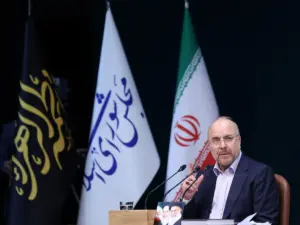
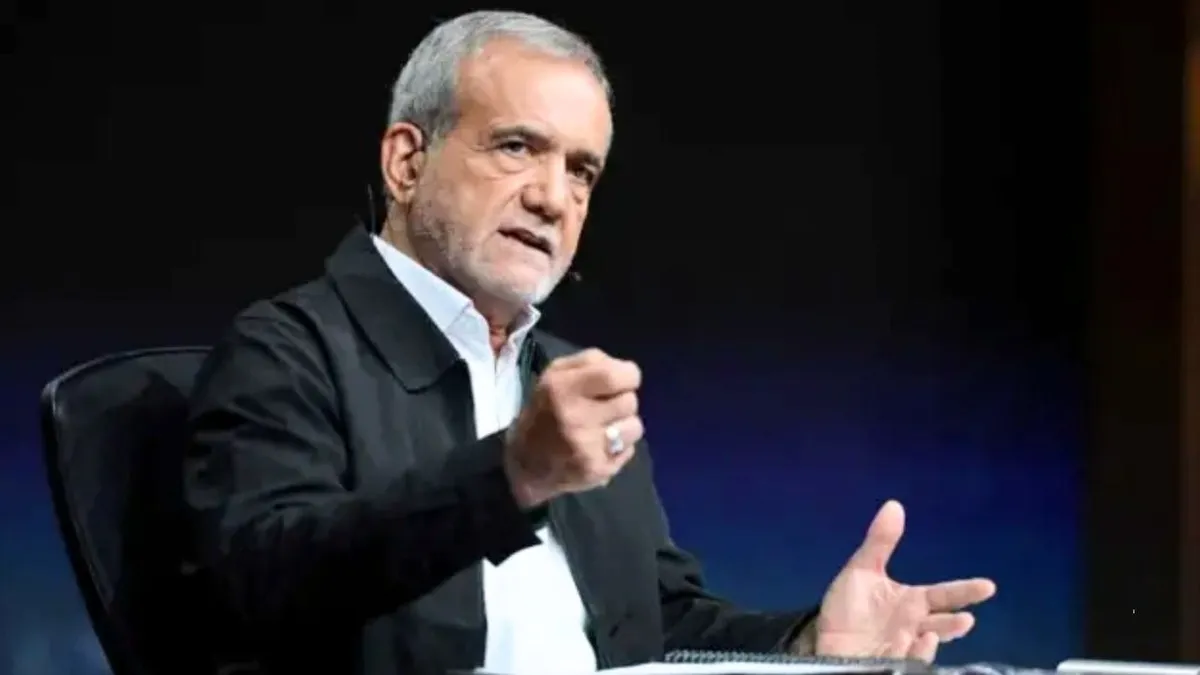
Iran’s President Masoud Pezeshkian has set three conditions to halt the war, stating that these are the only means to end the conflict with the US and Israel. Pezeshkian emphasized, “The only way to end this war—ignited by the Zionist regime & US—is recognizing Iran’s legitimate rights, payment of reparations, and firm int’l guarantees against future aggression.”
Commitment to Regional Peace
Pezeshkian reaffirmed Iran’s commitment to regional peace, indicating a desire to stabilize the situation despite the ongoing hostilities. The Iranian leadership appears to be seeking a diplomatic resolution while maintaining its stance on national rights.
Global Implications
The conflict’s ramifications extend beyond the immediate region, particularly as oil prices soar due to the closure of a critical shipping route. Observers are closely monitoring the situation, as the potential for a wider conflict looms.
Details remain unconfirmed regarding the specific roles that Russia and Pakistan may play in the mediation process, and the effectiveness of Pezeshkian’s conditions remains to be seen.