










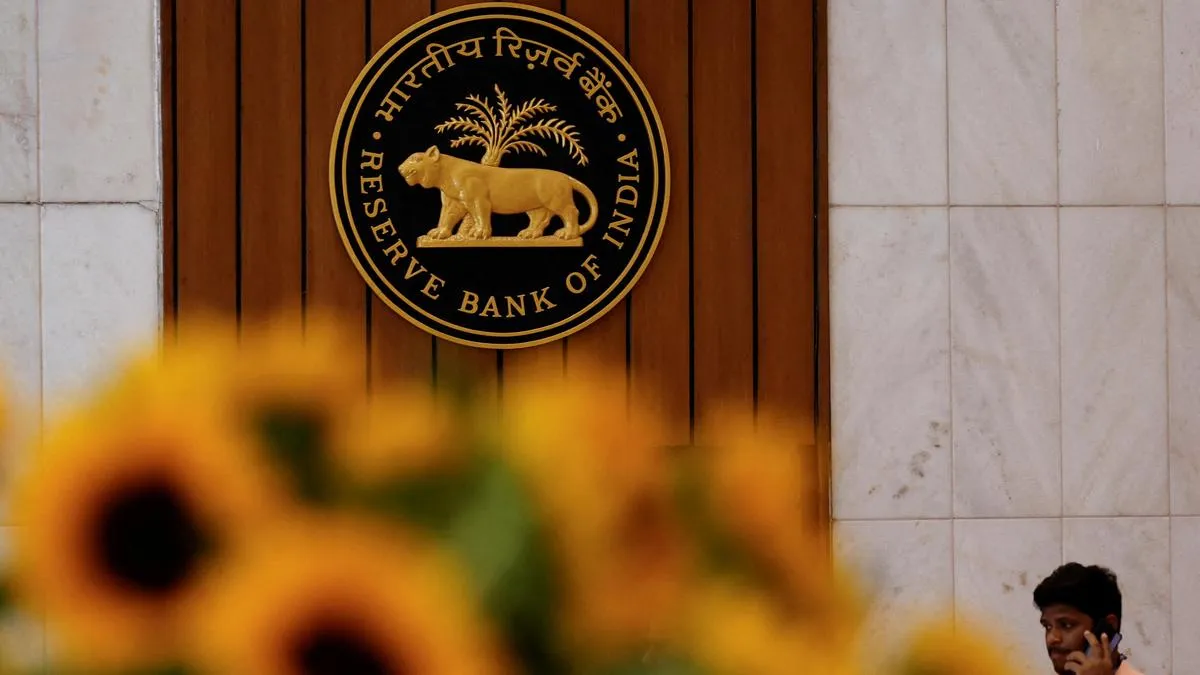
Prior to the recent announcement, the Reserve Bank of India (RBI) was set to implement new capital market exposure rules by April 1, 2026. These guidelines were designed to provide a framework for banks to finance acquisitions by Indian corporates, reflecting a significant shift in regulatory expectations.
However, on review, the RBI decided to extend the deadline by three months to July 1, 2026. This change came after the central bank received numerous requests from banks, capital market intermediaries, and industry bodies seeking more time and clarity on operational issues. The RBI stated, “The Reserve Bank has since received representations from banks, CMIs, and various industry associations seeking an extension of the effective date, and also flagging certain operational and interpretational issues for clarification.”
The amended guidelines, originally issued in February 2026, included specific provisions such as the stipulation that acquisition finance may only be extended for acquiring control over a non-financial target company. Furthermore, banks were directed to unwind large currency positions by April 10, 2026, amid a backdrop of currency volatility.
As of now, the rupee has hit a historic low of ₹94.81 against the dollar, having fallen four percent since the onset of the war, breaching significant psychological levels of 92, 93, and 94 in March 2026. This depreciation adds urgency to the RBI’s regulatory adjustments.
In terms of financing, the RBI has set caps on loans to individuals against eligible securities at ₹1 crore, while the cap for subscribing to shares under IPO, FPO, or ESOP is fixed at ₹25 lakh per individual. These measures aim to stabilize the market and ensure responsible lending practices.
The RBI’s decision to postpone the implementation of these rules reflects a cautious approach in a turbulent economic environment. The extension allows stakeholders additional time to adapt to the new regulations and address operational challenges.
Experts suggest that this delay could mitigate potential disruptions in the capital markets, providing banks and corporates the necessary breathing room to comply with the new framework effectively.
Overall, the RBI’s actions indicate a responsive regulatory stance in light of current market conditions, emphasizing the importance of stakeholder engagement in shaping financial policy.
Details remain unconfirmed regarding the full impact of these changes on the banking sector and capital markets, but the RBI’s proactive measures aim to foster stability in a challenging economic landscape.