







Understanding Rang Panchami
Rang Panchami is celebrated as the formal conclusion of Holi celebrations in many regions of India, particularly in states like Madhya Pradesh, Maharashtra, Gujarat, and parts of Rajasthan. This festival is observed five days after Holi, specifically on Chaitra Krishna Paksha Panchami, which falls in the Hindu month of Phalguna. In 2026, Rang Panchami will be celebrated on March 8, with the Panchami Tithi beginning at 07:17 PM on March 7 and concluding at 09:10 PM on March 8.
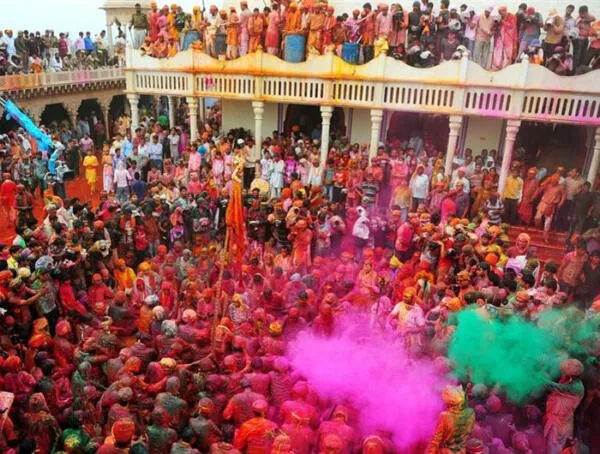
The festival holds deep cultural and religious significance, especially in North India. It is also referred to as Krishna Panchami or Dev Panchami, and is celebrated with gulal, a colored powder, in honor of Lord Krishna. The origin of Rang Panchami is linked to a story involving Lord Shiva and Kamadeva, which adds to its rich tapestry of traditions and beliefs.
Celebratory Practices
Rang Panchami represents the victory of positive energy over negativity, a theme that resonates deeply with participants. The festival promotes joy, unity, and friendship as people come together to celebrate with colors and laughter. Rituals typically include offering prayers at home or visiting temples, fostering a sense of community and shared joy among participants.
Community Engagement
As the festival approaches, communities in the aforementioned states prepare for the celebrations, which often feature vibrant gatherings filled with music, dance, and the playful throwing of colored powders. This communal aspect of Rang Panchami reinforces social bonds and enhances the festive spirit, making it a cherished occasion for many.
Looking Ahead
As observers anticipate the festivities of Rang Panchami 2026, there is a palpable excitement in the air. Local officials and community leaders emphasize the importance of maintaining the festival’s spirit of positivity and togetherness. The celebrations are expected to draw large crowds, with many families planning to partake in the traditional rituals and communal festivities.
Final Thoughts
Rang Panchami not only marks the end of the Holi celebrations but also serves as a reminder of the cultural heritage and unity that festivals can foster. As preparations continue, the focus remains on celebrating the values of joy, friendship, and community spirit that define this vibrant festival.