









Who is involved
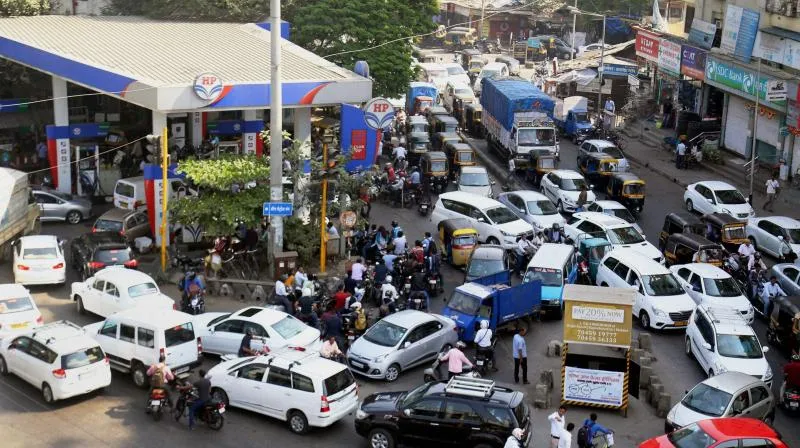
Prior to the recent changes, the government maintained a relatively high excise duty on fuels, with petrol taxed at Rs 13 per litre and diesel at Rs 10 per litre. This structure was in place amidst a backdrop of rising international crude oil prices, which had surged from approximately $70 per barrel to nearly $122 per barrel. Oil marketing companies, responsible for setting retail fuel prices, were facing significant losses, estimated at around Rs 24 per litre for petrol and Rs 30 per litre for diesel. The situation was becoming increasingly untenable for both consumers and the government, especially with state elections on the horizon.
On March 27, 2026, the government made a decisive move by cutting the excise duty on petrol by Rs 10 per litre, reducing it to Rs 3 per litre. Additionally, the excise duty on diesel was eliminated entirely, dropping to zero from Rs 10 per litre. This marked a significant shift in policy aimed at alleviating the financial burden on consumers amid rising fuel costs. However, despite this reduction in excise duty, retail pump prices remained unchanged, a point of contention for many observers.
The immediate effects of this excise duty cut are multifaceted. While it is designed to provide relief to consumers, the government anticipates a revenue loss of approximately INR 1.75 lakh crore annually due to this policy shift. Oil marketing companies, which had been incurring substantial losses, may find some respite, but the lack of a corresponding reduction in retail prices raises questions about the actual benefits to consumers. Finance Minister Nirmala Sitharaman emphasized that the reduction in excise duty would protect consumers from further price increases, yet the reality on the ground suggests a more complex scenario.
Expert voices in the industry have pointed out that the cut may not lead to lower fuel prices but could prevent them from rising further during a period of global uncertainty. The oil sector is navigating a challenging landscape, with the government having imposed export duties of INR 21.5 per litre on diesel and INR 29.5 per litre on aviation turbine fuel (ATF) to manage domestic supply and demand. The balance between maintaining affordable fuel prices for consumers and ensuring the financial viability of oil companies is a delicate one.
Oil Minister Hardeep Singh Puri remarked on the government’s difficult position, stating, “The government faced a choice between passing on the full impact to consumers or absorbing part of the shock.” This highlights the tension between fiscal responsibility and the need to address public concerns over rising fuel costs. The decision to cut excise duties comes at a time when consumers are increasingly sensitive to price fluctuations, particularly in the context of everyday expenses.
Despite the government’s efforts to stabilize fuel prices, uncertainties remain. It is unclear how quickly oil marketing companies will pass on the benefits of the duty cut to consumers. Additionally, the long-term impact of the excise duty cut on retail fuel prices remains uncertain. Details remain unconfirmed, leaving many consumers in a state of anticipation regarding future pricing strategies.
In summary, the recent excise duty cuts on petrol and diesel represent a significant policy shift aimed at addressing rising fuel costs and consumer concerns. While the immediate effects may provide some relief, the broader implications for the oil market and consumer pricing strategies will require careful monitoring in the coming months. The government’s balancing act between fiscal health and consumer protection will be crucial in shaping the future landscape of fuel pricing in the country.