







Before recent comments by Donald Trump, the historical significance of the Pearl Harbor attack on December 7, 1941, was primarily viewed through the lens of its impact on World War II. The attack, which resulted in the deaths of over 2,400 Americans, marked a pivotal moment in U.S. military history, leading to the country’s entry into the war against Japan.
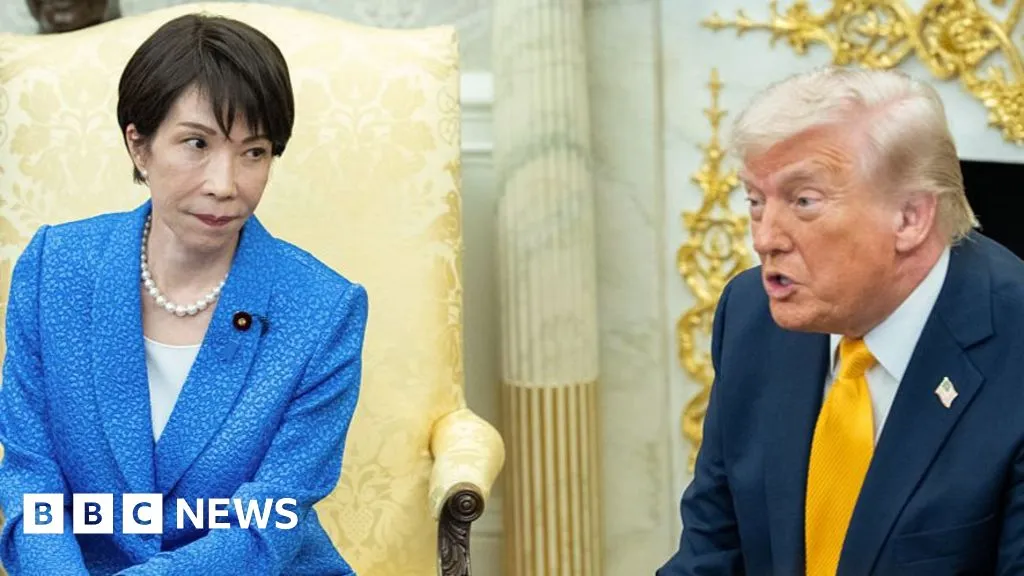
However, during a meeting with Japan’s first female prime minister, Sanae Takaichi, Trump made a controversial comparison between U.S. military strikes on Iran and the Pearl Harbor attack. He remarked, “Why didn’t you tell me about Pearl Harbor?” This statement came in response to a question regarding the lack of communication with allies before the strikes, which occurred on February 28.
Trump’s comments sparked immediate reactions, particularly from Takaichi, whose response went viral on social media. The juxtaposition of a historical tragedy with contemporary military actions raised eyebrows among political analysts and historians alike.
In his remarks, Trump stated, “Who knows better about surprise than Japan?” emphasizing the element of surprise that characterized both the Pearl Harbor attack and the recent military operations. This comparison, while intended to illustrate a point about military strategy, has been met with criticism for its insensitivity.
Experts have pointed out that the Pearl Harbor attack was not just a military failure but a national tragedy that reshaped U.S. foreign policy and military strategy. The loss of life and the subsequent war effort were monumental, contrasting sharply with modern military engagements that often involve complex international relations.
Trump also praised Takaichi’s command of English, stating, “Do you understand this? Very good, I’ll tell you! So nice we don’t have to sit through translation.” This comment highlighted the diplomatic nature of their meeting, yet it also underscored the gravity of the historical reference he made.
The direct effects of Trump’s comments are still unfolding, as they have prompted discussions about the appropriateness of drawing parallels between past and present military actions. Analysts are examining how such statements can influence U.S.-Japan relations, especially in the context of Japan’s historical experiences during World War II.
As the discourse continues, the implications of Trump’s remarks on international relations remain to be fully understood. The blending of historical events with current military strategies raises questions about the lessons learned from the past and how they apply to today’s geopolitical landscape.
Details remain unconfirmed regarding the broader reactions from both U.S. and Japanese officials, but the incident has undoubtedly reignited discussions about the legacy of Pearl Harbor and its relevance in contemporary military dialogue.