










What impact will ONGC’s new gas production from the Daman Upside Development Project have on India’s energy landscape? The answer is significant, as ONGC has officially commenced gas production on March 30, 2026, from this strategically important project located about 180 kilometers northwest of Mumbai.
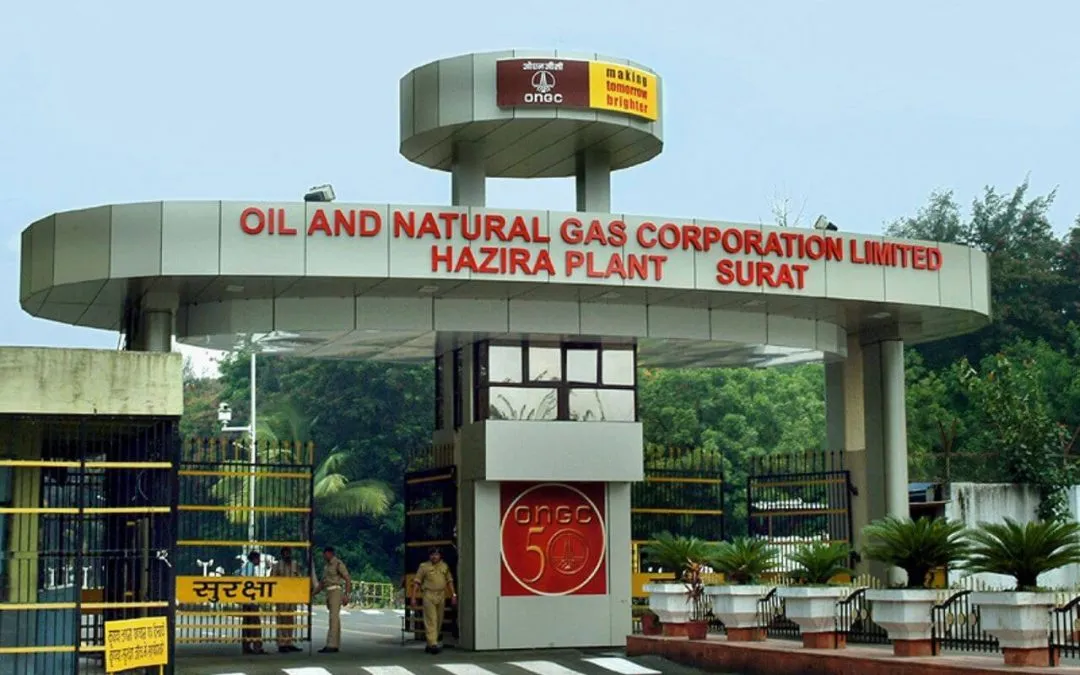
Gas is currently flowing from Platform B-12-24P and has been successfully sent to the Hazira Plant. This development is expected to play a crucial role in reducing India’s reliance on imported natural gas.
At peak capacity, the Daman project is projected to produce 21.5 billion cubic metres (BCM) of natural gas over its operational lifecycle. This output could offset approximately 73.66% of the 29.185 billion cubic metres of natural gas that India imported during the first ten months of FY26.
Furthermore, the Daman project’s peak output could account for roughly 61.38% of India’s annual gas imports for FY26, making it a vital asset in the country’s energy strategy.
ONGC has invested approximately $1 billion in developing the Daman Upside Development Project, underscoring its commitment to enhancing domestic gas production. “This [B-12-24P] platform has been successfully commissioned and gas sent to Hazira Plant,” an ONGC representative stated.
Production from all wells will be ramped up in a phased manner, indicating a structured approach to maximizing output and efficiency. This initiative aligns with India’s broader goal of reducing dependence on natural gas imports amid ongoing global energy market disruptions.
As the Daman project progresses, it remains to be seen how quickly it can reach its full production capacity and what further implications this will have for India’s energy security and market dynamics.
Details remain unconfirmed regarding the timeline for ramping up production across all wells, but the initial steps taken by ONGC signal a promising shift in the country’s energy production capabilities.