








What observers say
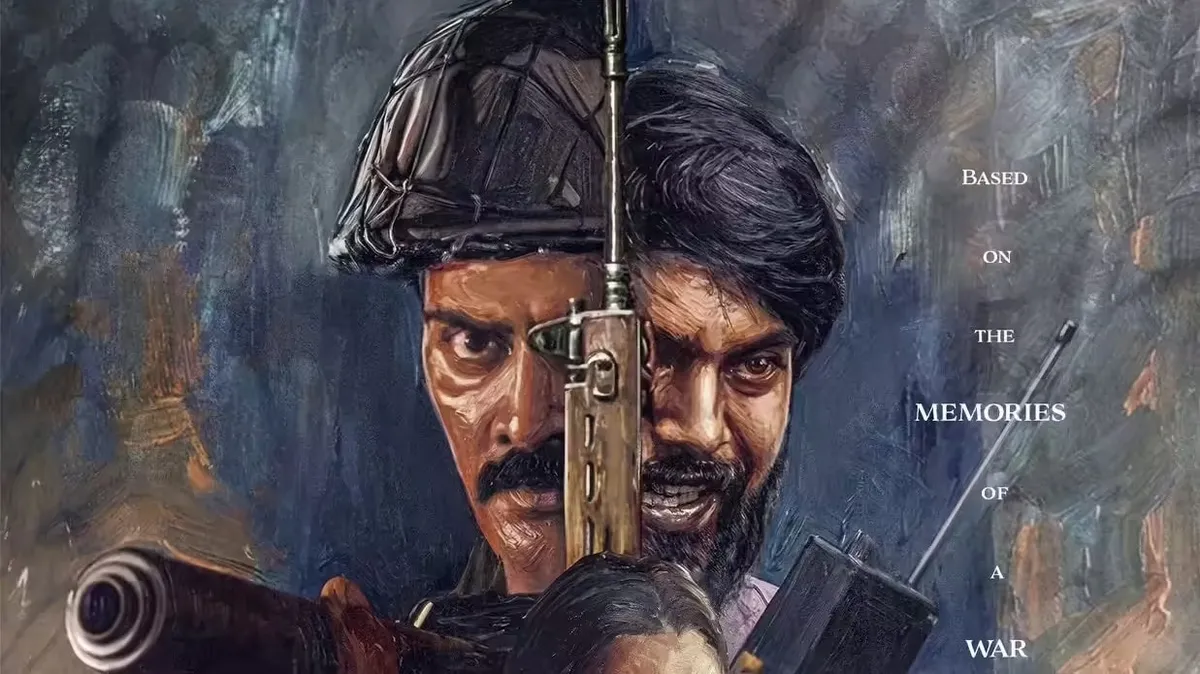
“Neelira tells and shows a great deal in its short runtime without ever feeling rushed or preachy,” remarked a film critic, highlighting the film’s ability to convey profound messages within its 100-minute duration. Set against the backdrop of the Sri Lankan civil war in 1988, Neelira, which translates to ‘a long night’ in English, delves into the complexities of human emotions during times of conflict.
Directed by Someetharan, the film intricately weaves a narrative around a family preparing for a wedding while grappling with the harsh realities of war. The setting is almost entirely confined to a single house, emphasizing the intimate struggles of the characters as they navigate their lives amidst the chaos of the Sri Lankan civil war. The film’s storyline is particularly poignant, as it features a grandfather who fought in World War II, adding layers to the generational impact of conflict.
Neelira does not shy away from addressing the controversial role of the Indian Peace Keeping Force (IPKF) during the civil war. As Puthuvai Ratnathurai poignantly states, “The IPKF had come to adorn them (Tamils) with new clothes but ended up stripping even the loincloth they were wearing.” This quote encapsulates the film’s critical perspective on the military’s involvement, portraying the IPKF as both a force of protection and a source of further suffering.
The film’s early reactions have been overwhelmingly positive, with audiences praising its anti-war message and the depth of its characters. The narrative is not merely a depiction of violence but rather a reflection on the human cost of war, making it a significant contribution to the genre of war films. The characters’ experiences resonate deeply, as they confront the reality of their circumstances while trying to maintain hope and normalcy.
In a particularly striking moment, a child in the film asks, “What’s a game without guns?” This line serves as a chilling reminder of how normalized violence has become in the lives of those affected by the ongoing conflict. The film’s ability to juxtapose innocence with the grim realities of war is a testament to Someetharan’s directorial vision.
Neelira’s exploration of the human experience during wartime is further enriched by its narrative structure, which allows for a deep dive into the emotional landscape of its characters. The film acknowledges the ill-doings of the IPKF while simultaneously humanizing its soldiers, creating a nuanced portrayal of the complexities of war. This duality is essential in understanding the broader implications of the conflict and its impact on individual lives.
As the film continues to garner attention, it is expected to spark discussions about the portrayal of war in cinema and the responsibilities of filmmakers in addressing sensitive historical narratives. Neelira stands as a poignant reminder of the enduring effects of conflict on families and communities, urging viewers to reflect on the true cost of war.