









Nasa Satellite Crashing: Van Allen Probe A Reenters Atmosphere
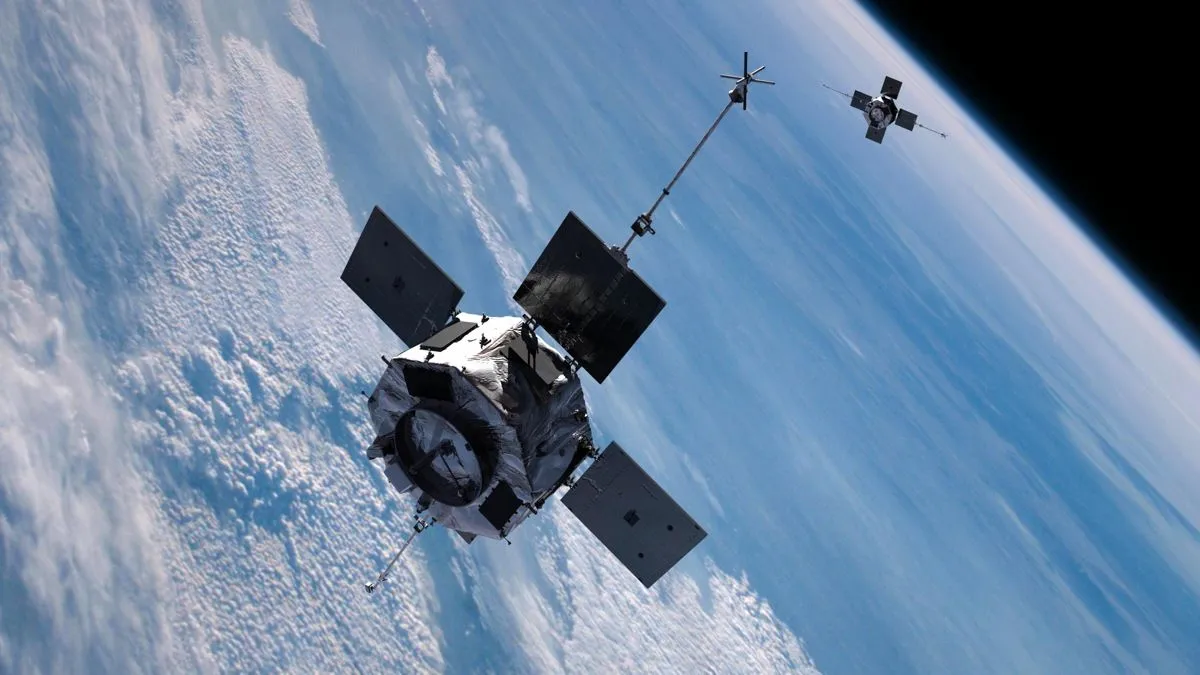
The Van Allen Probes, originally known as the Radiation Belt Storm Probes, were launched in August 2012 to study the radiation belts surrounding Earth. These satellites were designed to collect data about space weather, which is crucial for understanding how solar activity impacts satellites, astronauts, and systems on Earth, including communications and power grids. The mission was initially expected to last two years but continued until 2019 when both probes were deactivated.
On March 11, 2026, at 6:37 a.m. EDT, Van Allen Probe A reentered the Earth’s atmosphere, marking the end of its nearly 14-year mission. NASA had anticipated that most of the spacecraft would burn up during reentry, although some components might have survived the descent. The satellite weighed 1,323 pounds (600 kilograms) and was monitored closely by both NASA and the U.S. Space Force during its reentry.
NASA officials stated, “There’s just a 1-in-4,200 chance that Van Allen Probe A will hurt anyone during its reentry.” This statistic highlights the low risk associated with satellite reentries, which experts say are fairly common and rarely pose any real danger to people on Earth. The majority of the Earth’s surface is covered by water, which further reduces the likelihood of any incidents occurring.
As the satellite descended faster than originally expected, due to increased solar activity, its reentry was a significant event for scientists who have been reviewing archived data from the mission. This data is essential for studying the radiation belts, which play a vital role in predicting the effects of solar activity on various systems.
NASA spokespersons indicated that the agency expected most of the spacecraft to burn up as it traveled through the atmosphere. However, they acknowledged that some components may have survived the reentry, although details remain unconfirmed. The agency’s monitoring of the reentry reflects its commitment to ensuring public safety and understanding the implications of such events.
The Van Allen Probes provided invaluable data over their operational period, contributing to our understanding of space weather and its potential impacts on Earth. The mission’s extended duration, lasting until 2019, allowed for a more comprehensive collection of data than initially planned.
Looking ahead, scientists will continue to analyze the data gathered from the Van Allen Probes to enhance our understanding of the radiation environment in space. This research is crucial for improving the safety of future space missions and protecting technological systems on Earth from solar activity.