









How it unfolded
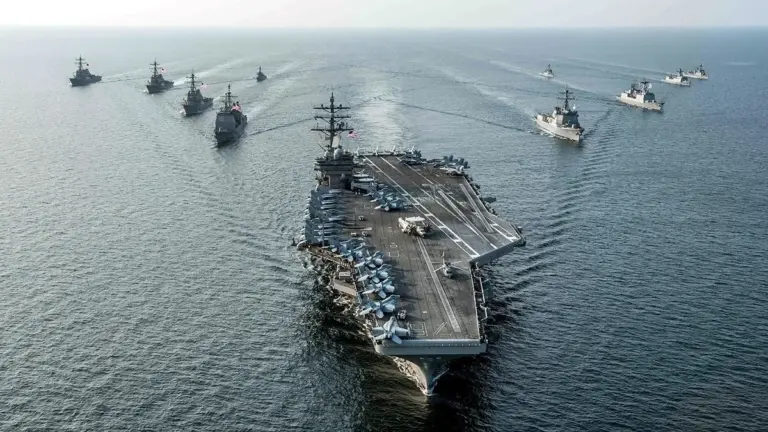
The ongoing crisis in West Asia has persisted for over three weeks, creating significant challenges for India. With extensive trade relations with the countries involved in the conflict, the Indian government is navigating a complex landscape. The situation is particularly pressing given that nearly 1 crore Indians live and work in Gulf countries, making their safety and well-being a top priority.
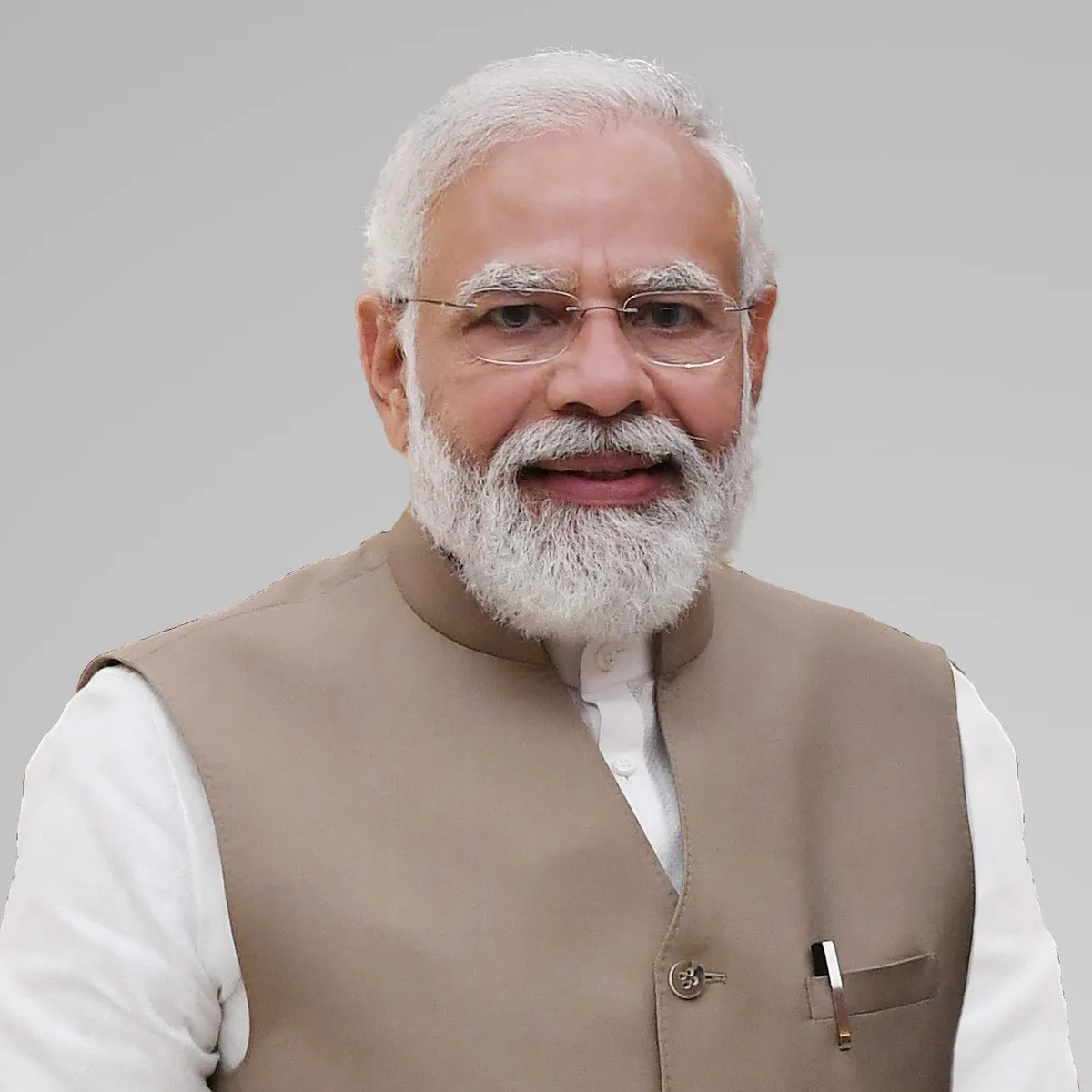
As the conflict escalated, more than 3,75,000 Indians have successfully returned to India since the onset of hostilities. This mass return underscores the urgency of the situation and the government’s commitment to ensuring the safety of its citizens abroad. Prime Minister Modi has been actively engaging with leaders from Gulf nations, Iran, Israel, and the United States to address the crisis and advocate for a peaceful resolution.
In response to the conflict, the Indian government has established 24/7 control rooms and emergency helplines to assist Indians abroad. This proactive measure reflects the government’s dedication to monitoring global developments and protecting the interests of its citizens. PM Modi stated, “The whole world is urging all parties for the earliest possible resolution of this crisis,” highlighting the international call for de-escalation.
Moreover, the conflict has prompted India to reassess its energy security. With a Strategic Petroleum Reserve of more than 53 lakh metric tonnes, India is well-positioned to manage potential disruptions in energy supplies. Over the past 11 years, India has expanded its energy import sources from 27 to 41 countries, enhancing its resilience against global supply chain disruptions. PM Modi remarked, “Continuous efforts are also underway to determine how we can overcome the disruptions that have occurred in the supply chain.”
The humanitarian impact of the conflict is also significant. The Central Board of Secondary Education (CBSE) has cancelled the scheduled Class 10th and 12th examinations in Indian schools located in Gulf countries, reflecting the broader disruptions caused by the ongoing violence. This decision affects thousands of students and their families, emphasizing the conflict’s reach beyond immediate geopolitical concerns.
In terms of energy production, India has made remarkable strides in recent years. The country’s solar power capacity has surged from approximately 3 gigawatts to 140 gigawatts in the past 11 years, showcasing its commitment to sustainable energy sources. Additionally, India has set a record of producing 100 crore tonnes of coal for the second consecutive year, further solidifying its energy independence amidst global uncertainties.
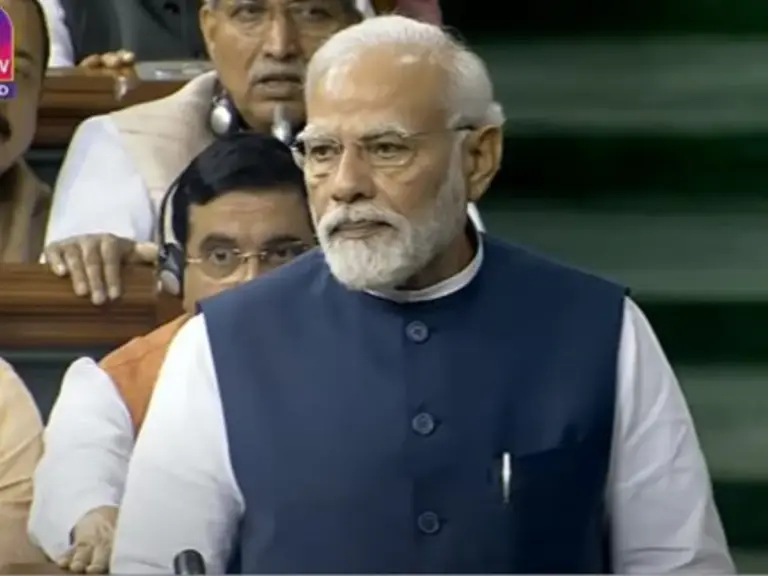
As the situation in West Asia evolves, the Indian government remains vigilant and responsive. PM Modi has emphasized the importance of a united voice from India’s Parliament regarding the crisis, stating, “India’s concerns are naturally greater, and therefore it is essential that a united and unanimous voice goes out to the world from India’s Parliament on this crisis.” This call for unity reflects the gravity of the situation and the need for a coordinated national response.
Currently, the crisis continues to unfold, and the Indian government is committed to ensuring the safety of its citizens while navigating the complex geopolitical landscape. The implications of this conflict are profound, affecting not only India’s expatriates but also its economic and energy security. As developments occur, the government’s actions will be critical in shaping India’s response to this ongoing crisis.