








How it unfolded
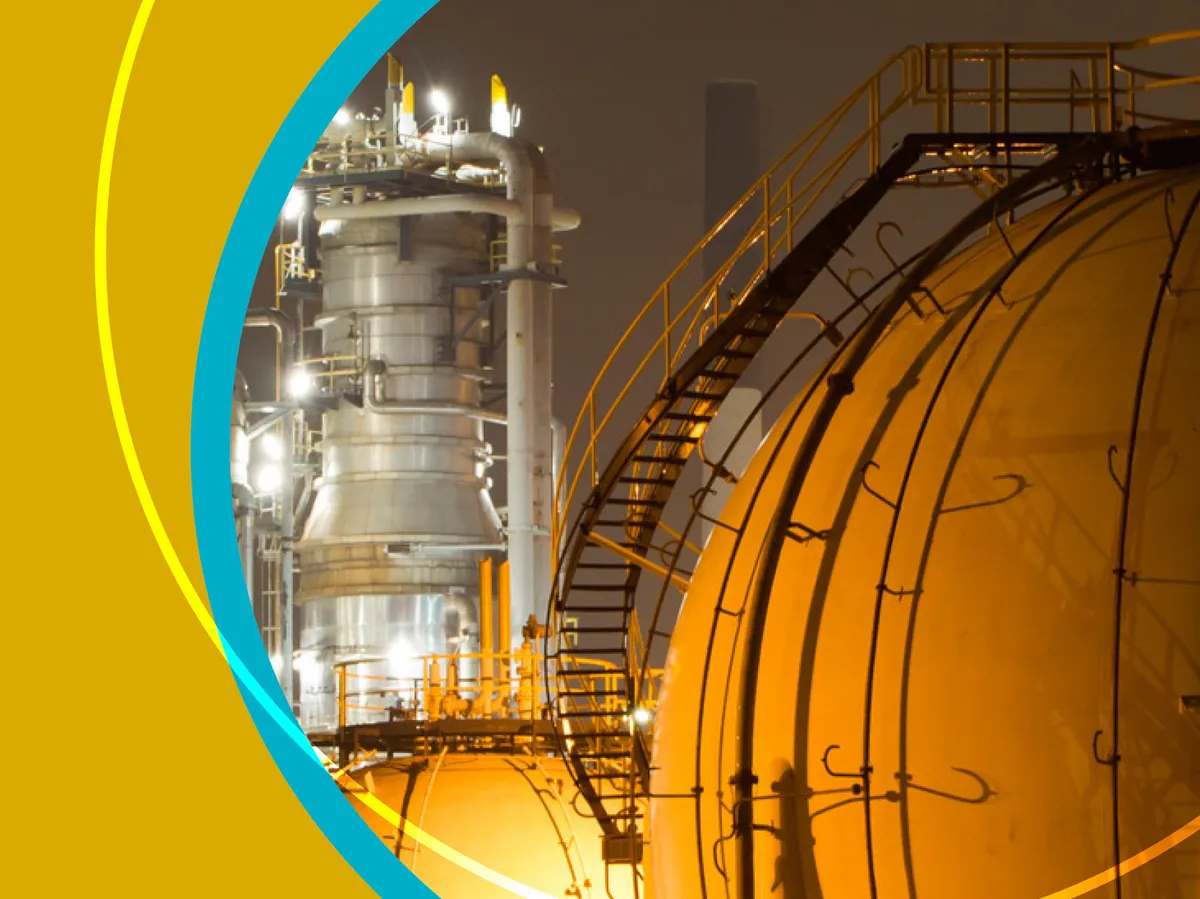
In recent weeks, the geopolitical landscape surrounding liquefied natural gas (LNG) has dramatically shifted due to a series of attacks attributed to Iran. These attacks have specifically targeted Qatar’s Ras Laffan LNG hub, a critical facility that supplies approximately 40% of India’s LNG needs. The situation escalated when reports emerged detailing significant damage to the hub, which has resulted in a staggering 17% reduction in Qatar’s LNG capacity, projected to last for up to five years.
On the ground, the repercussions of these attacks have been immediate and severe. The Strait of Hormuz, a vital maritime corridor for oil and gas shipments, has been rendered nearly impassable, affecting 40% to 50% of India’s crude imports. This disruption has raised alarm bells in New Delhi, where officials are scrambling to secure alternative energy sources. India, which imports between 85% to 90% of its oil, is particularly vulnerable to disruptions in the Middle East.
As the situation unfolded, QatarEnergy’s CEO Saad al-Kaabi expressed disbelief at the scale of the damage, stating, “never in my wildest dreams” did he expect such an event to occur. The company has indicated that repairs to the Ras Laffan facility will take between three to five years, a timeline that poses significant challenges for both Qatar and its customers, particularly India.
The immediate financial implications of the LNG outage have been felt globally, with European gas prices surging by 35% following the news. This spike reflects the interconnected nature of global energy markets, where disruptions in one region can lead to widespread price increases elsewhere. In India, the situation is compounded by the fact that 90% of the country’s LPG imports transit through the Strait of Hormuz, further jeopardizing energy security.
In response to the crisis, India is actively seeking alternative sources for LNG and LPG. Officials like Sujata Sharma have noted, “We are trying to pick up the cargoes from other sources.” This proactive approach is essential as the damage to Ras Laffan has created a multi-year supply loss in the LNG market, forcing countries reliant on Qatari gas to explore new partnerships.
Moreover, India’s domestic LPG production has seen a notable increase of about 36% as refineries ramp up output to mitigate the impact of the supply disruptions. However, experts warn that if the disruption through Hormuz persists, Indian buyers may need to procure higher-priced spot cargoes or reduce consumption altogether. Sumit Ritolia, an energy analyst, highlighted the precarious position India finds itself in, emphasizing the need for diversification in energy sourcing.
The geopolitical ramifications of these events extend beyond immediate supply concerns. India had previously called for the avoidance of targeting civilian infrastructure, including energy infrastructure, across the region. As tensions rise, the broader implications for energy security and international relations remain to be seen.
As of now, the situation remains fluid, with ongoing assessments of the damage and its long-term effects on the LNG market. Details remain unconfirmed, but the urgency for countries like India to adapt to these changes has never been more critical. The coming years will likely see a significant shift in energy procurement strategies as nations navigate the complexities of a disrupted LNG supply chain.