









Harman Preet Singh’s Perspective on Performance
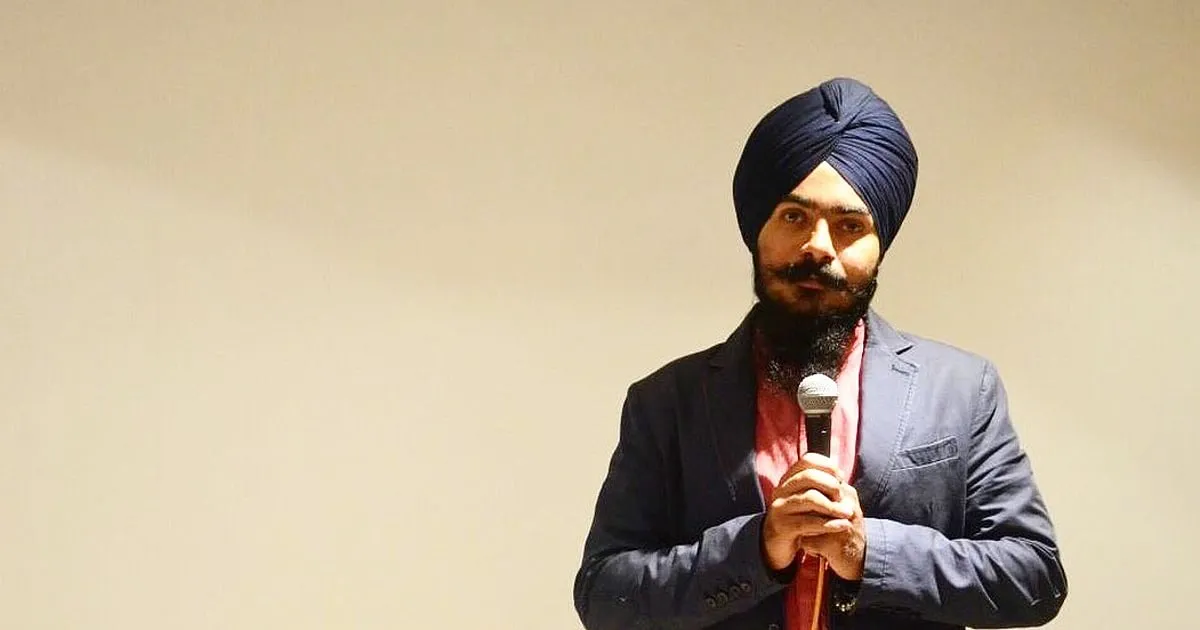
“I thought about it in two frames only: how I look and how I want to be perceived,” remarked Harman Preet Singh, a rising star in the Kannada comedy scene. His reflections highlight the intricate balance between personal identity and public perception that many performers navigate, particularly in a culturally rich and diverse environment like Bengaluru.
The Comedy Scene in Kannada
Singh’s performances, which incorporate Kannada, Hindi, and English, resonate with a wide audience. His set, titled ‘Heart Alli Kaveri’, is a testament to his ability to blend languages and cultures, making it accessible to many. With 60% of his set performed in Kannada, he aims to connect with local audiences while also appealing to those unfamiliar with the language. The set, lasting 12 minutes, is available on YouTube, allowing it to reach an even broader audience.
Challenges and Triumphs
Despite his success, Singh has faced significant challenges, including receiving death threats that led to the cancellation of a show in Chennai. “I got a little hate from both sides, but I realised that this is just part and parcel of being on the internet,” he stated, illustrating the complexities of navigating public opinion in the digital age. His experience underscores the risks that come with being a comedian who addresses cultural and linguistic divides.
Historical Context of Kannada Adaptations
The significance of Kannada in the arts is not new; adaptations of Shakespeare’s works into Kannada date back to the 19th century. DV Gundappa’s translation of Macbeth in 1936 marked a pivotal moment in this cultural exchange, making Shakespeare’s works accessible to Kannada speakers. This historical backdrop enriches the contemporary performances of artists like Singh, who are part of a long tradition of cultural adaptation.
Community and Collaboration
Singh credits his foray into Kannada comedy to the encouragement of fellow comedians. “It was never my plan to perform in Kannada, but Kamath, Kashyap and a bunch of other comics were quite open to me performing,” he shared. This collaborative spirit within the comedy community has fostered an environment where diverse voices can thrive, reflecting the multifaceted nature of Kannada culture.
Shakespeare’s Enduring Influence
As noted by author Roopa Pai, “Forsooth, the versatile Bard still lives and thrives in Kasturi Kannada.” This statement encapsulates the enduring relevance of Shakespeare’s themes and narratives, which continue to inspire Kannada artists today. The intersection of classical literature and contemporary performance art showcases the adaptability of cultural expressions over time.
Looking Ahead
As Kannada comedy continues to evolve, the contributions of performers like Harman Preet Singh are likely to shape its future. With the increasing popularity of social media platforms, the reach of Kannada comedy is expanding, inviting new audiences to engage with the language and its cultural nuances. The next steps for Singh and his peers may involve further exploration of Kannada’s rich literary heritage, ensuring that the art form remains dynamic and relevant.