






Current Developments in the Israel-Iran War
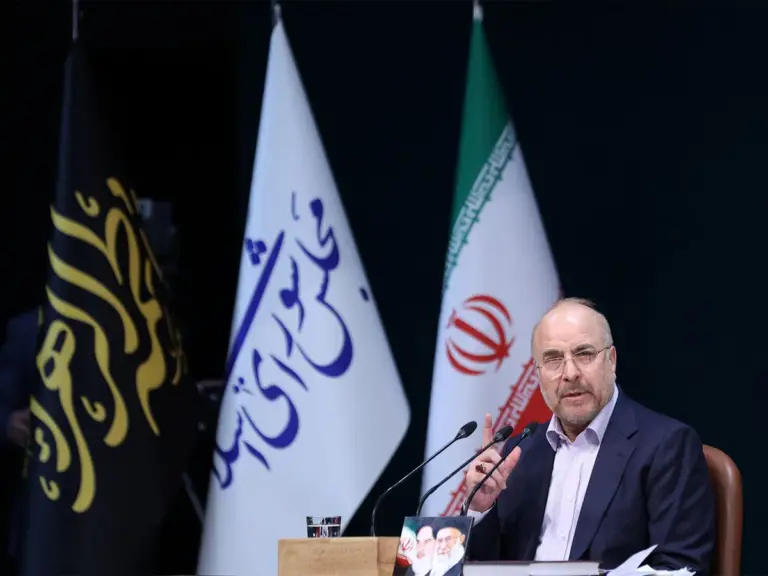
The ongoing conflict between Iran and Israel has escalated, with Iranian President Masoud Pezeshkian announcing that the war can only conclude if specific conditions are met. These conditions, aimed at addressing Iran’s grievances, include recognition of its rights, payment of reparations, and guarantees against future aggression. This statement marks a significant moment in the conflict, highlighting the complexities of the situation.
Immediate Circumstances and Casualties
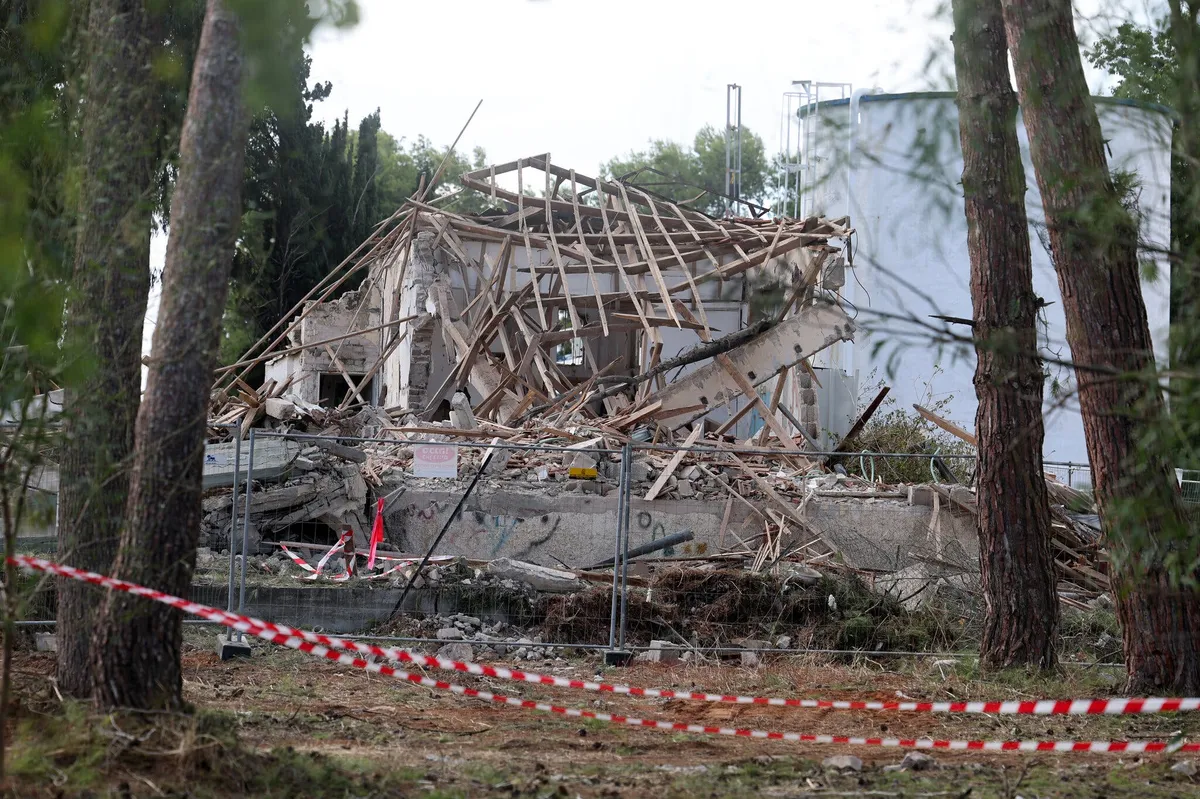
The war has resulted in heavy casualties and widespread disruption across the region, exacerbating an already tense geopolitical landscape. Iranian leadership has made it clear that a ceasefire is contingent upon the acceptance of these demands by both Washington and Tel Aviv. The conflict has not only affected military targets but has also severely impacted civilian life, contributing to rising inflation, job losses, and shortages of essential goods within Iran.
Broader Context of the Conflict
Historically, the tensions between Iran and Israel have been fueled by a series of political and military confrontations. The current war is a continuation of this fraught relationship, with Iran’s leadership insisting that any future stability hinges on international guarantees that it will not face similar attacks again. This demand reflects a broader desire for security and recognition on the international stage, particularly from the United States and its allies.
Economic Impact on Iran
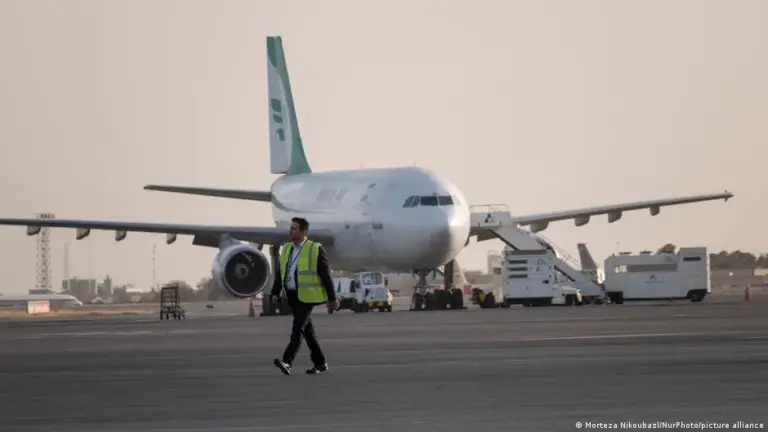
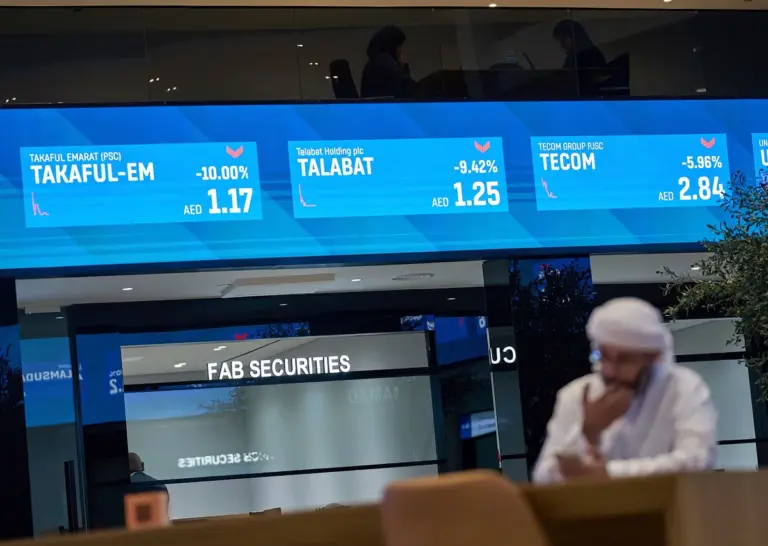
The ongoing conflict is further straining Iran’s fragile economy, as airstrikes and missile attacks have caused significant damage to infrastructure. The Iranian population is bearing the brunt of these economic challenges, with many facing dire living conditions. The government’s insistence on reparations underscores the severity of the situation, as it seeks to address the economic fallout from the conflict.
International Reactions and Statements
In response to the escalating situation, Iranian officials have issued warnings that any attack on its ports could trigger a wider regional response. Israeli officials, on the other hand, believe that the war may not necessarily lead to the collapse of Iran’s political system, indicating a complex interplay of military and political strategies at play. The international community is being called upon to play a role in ensuring regional stability, as the conflict continues to evolve.
Future Implications
As the situation develops, the implications of Iran’s conditions for ending the war could reshape the dynamics of Middle Eastern geopolitics. The insistence on recognition and reparations may set a precedent for future negotiations, potentially altering the landscape of international relations in the region. Observers are closely monitoring the responses from both the United States and Israel, as their decisions will significantly influence the course of the conflict.
While the conditions set forth by Iran represent a critical juncture in the ongoing conflict, details remain unconfirmed regarding the potential for negotiations. The international community’s response will be pivotal in determining whether these demands can lead to a resolution or if the conflict will continue to escalate.