









Background of the Conflict
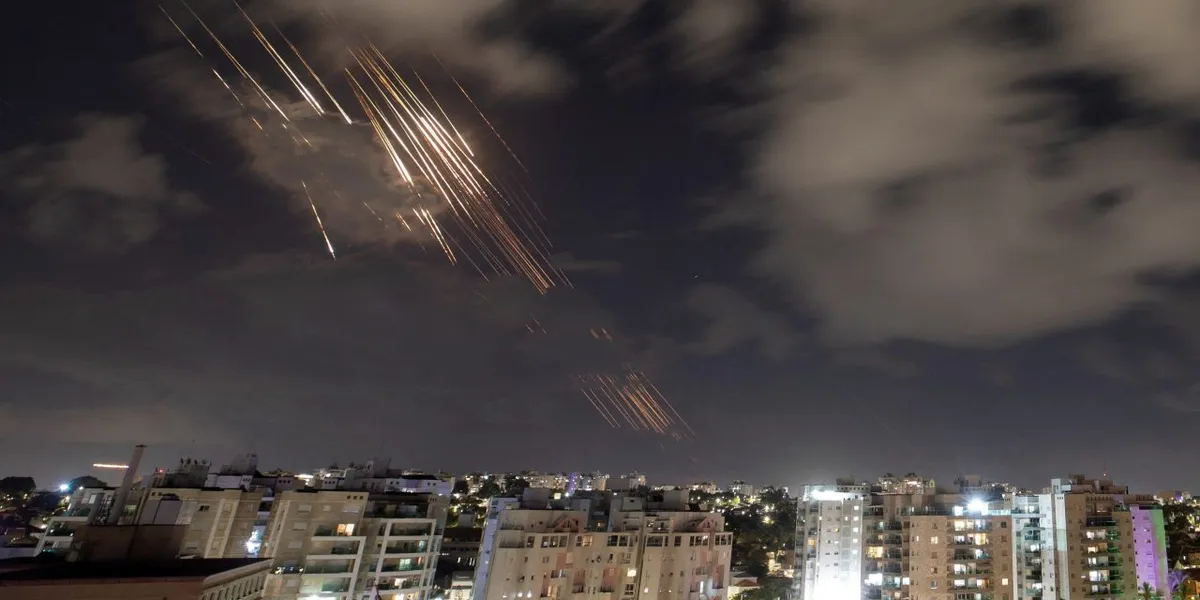
The Israel-Iran conflict has widened significantly, now encompassing the Gulf region, Lebanon, and Iraq. This escalation has been marked by a series of aggressive military actions, particularly since February 28, 2026, when the United States and Israel launched large-scale strikes on Iran. These attacks have targeted critical infrastructure, including oil storage depots and refining facilities, exacerbating tensions in an already volatile region.
Recent Developments
As of March 8, 2026, the death toll has risen dramatically, with at least 1,332 people reported killed since the onset of these attacks. The situation remains dire, with Iran’s military confirming that while the Strait of Hormuz remains open, it will target any US or Israeli ships attempting to pass through. This declaration raises concerns about potential maritime conflicts that could further destabilize the Gulf region.
Casualties and Humanitarian Impact
The conflict has also had a severe humanitarian impact. Notably, a recent attack on a primary school in southern Iran resulted in the deaths of at least 160 individuals, prompting Human Rights Watch to call for an investigation into what they describe as a potential war crime. Additionally, the death toll from Iran’s retaliatory attacks on the United Arab Emirates has reached four, illustrating the conflict’s broader regional implications.
Statements from Key Figures
In the wake of these developments, US President Donald Trump remarked that the ongoing war was going “unbelievably good” for the US military and indicated that it would continue for “a little while.” Meanwhile, US Defense Secretary Pete Hegseth emphasized a strong stance against threats to American lives, stating, “If you kill Americans, if you threaten Americans anywhere on earth, we will hunt you down without apology and without hesitation, and we will kill you.” Such statements reflect the heightened rhetoric accompanying the military actions.
The Gulf Cooperation Council (GCC) has condemned Iran’s continued attacks against Bahrain and Kuwait, labeling them as “dangerous acts of aggression” that threaten regional security. This condemnation underscores the broader regional concerns regarding Iran’s military actions and their implications for stability in the Gulf.
Leadership Changes in Iran
Adding complexity to the situation is the recent ascension of Mojtaba Khamenei as Iran’s new supreme leader, following the death of his father. His leadership raises uncertainties about Iran’s future foreign policy direction and its approach to the ongoing conflict. Observers are closely monitoring how this change might influence Iran’s military strategy and diplomatic relations.
Looking Ahead
As the conflict continues to unfold, the exact impact on global oil markets remains unclear, particularly given the 27 percent increase in Brent crude oil prices observed in just one week of the war. Additionally, the long-term implications of Mojtaba Khamenei’s leadership on Iran’s foreign policy are uncertain. Details remain unconfirmed, but the potential for further escalation in the region is a growing concern for international observers and policymakers alike.