






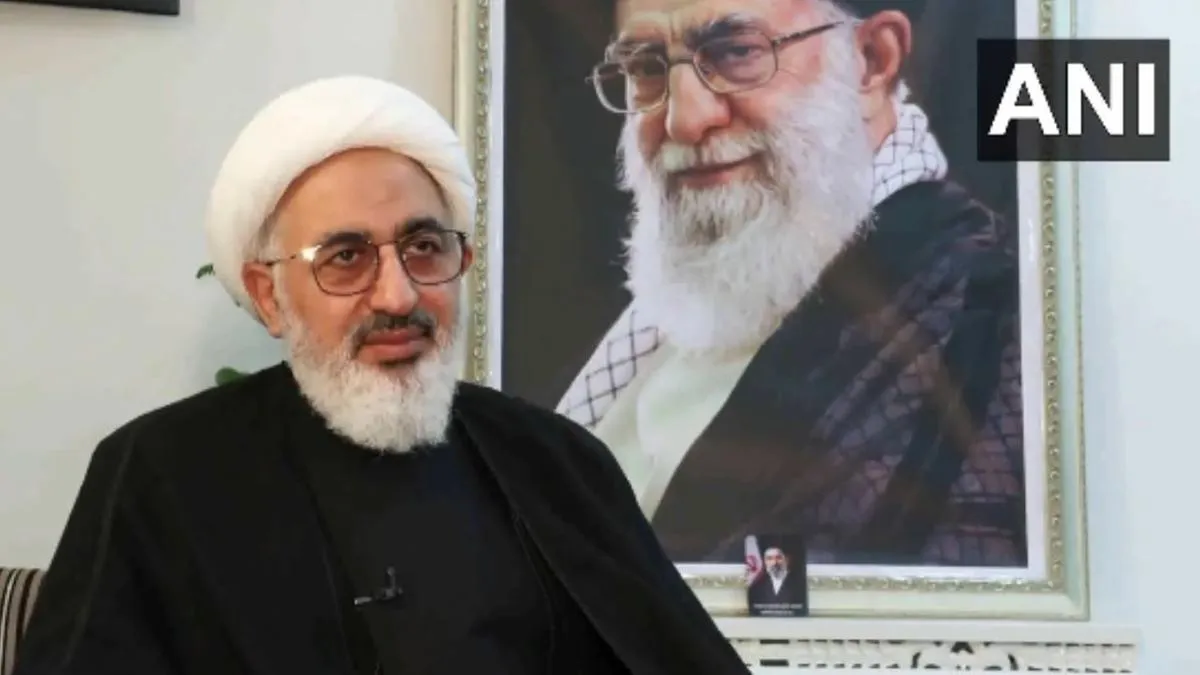
What implications arise from Iran’s denial of Pakistan’s mediation role in US-Iran discussions? Iran has officially denied claims that Pakistan is mediating talks with the United States, a denial that comes amidst heightened tensions in the region.
These claims of mediation are reportedly tied to strategies aimed at manipulating the oil market, a critical factor given the ongoing instability in the region.
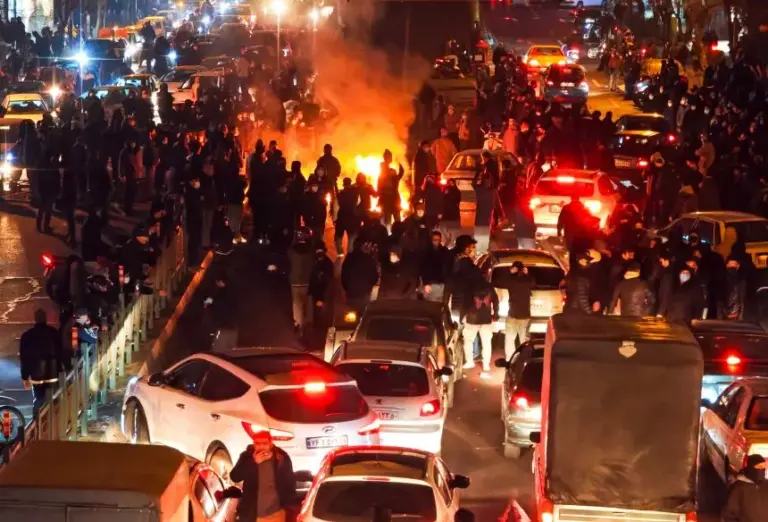
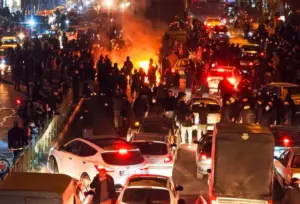
Iran attributes much of the current unrest to the joint US-Israel offensive launched in February 2026, which it argues has exacerbated regional instability.
In light of these developments, Iran has made an urgent call for global intervention to protect civilian infrastructure from the fallout of these geopolitical tensions.
India has been encouraged to take a pivotal role in peace initiatives throughout 2026, reflecting the shifting dynamics in regional diplomacy.
Adding to the complexity, former US President Donald Trump has threatened to reopen the Strait of Hormuz, a vital shipping lane for global oil supplies, which Iran has firmly rejected despite the ultimatum.
This situation underscores the intricate web of relationships and tensions among key players, including Iran, Pakistan, the US, and Israel.
As the situation evolves, the international community watches closely, with significant implications for oil markets and regional stability.
Details remain unconfirmed regarding the extent of Pakistan’s involvement or the potential for further escalations in the region.
With ongoing discussions and the potential for new diplomatic efforts, the coming months will be crucial in determining the future of US-Iran relations and regional peace.