







The Iranian women soccer team is currently participating in the AFC Women’s Asian Cup 2026 in Australia. This event comes at a time of heightened political tensions, particularly due to recent US and Israeli air strikes on Iran, which have resulted in significant casualties.
Key Developments
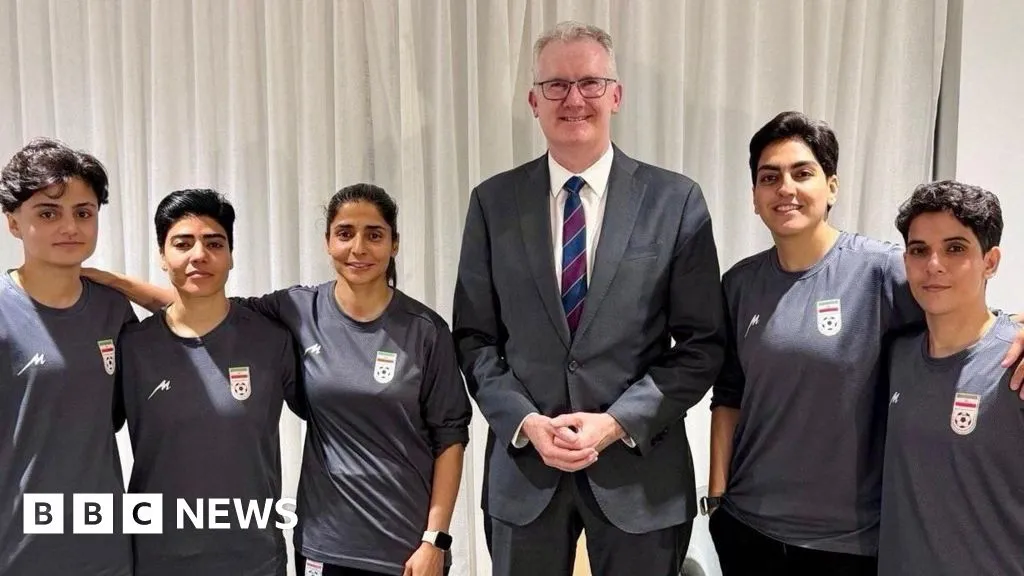
On March 9, 2026, Australia granted visas to five members of the Iranian women’s football team: Zahra Ghanbari, Fatemeh Pasandideh, Zahra Sarbali Alishah, Mona Hamoudi, and Atefeh Ramezanizadeh. These players faced potential punishment for their decision not to sing the Iranian national anthem before their first match.
Following their actions, the players were labeled as “wartime traitors” in Iran, raising concerns about their safety and the repercussions they might face upon returning home. In response to these threats, Australian authorities moved the players to a secure location for their protection.
The situation has drawn international attention, with notable figures such as Donald Trump discussing the matter with Australian Prime Minister Anthony Albanese. Trump stated, “Five have already been taken care of, and the rest are on their way,” indicating ongoing efforts to assist the players.
Albanese also commented on the situation, saying, “Assistance remains available for the other members of the team, but it, of course, is a decision for them.” This highlights the complexities involved in their decision-making process regarding their future in Australia.
Current Status
The Iranian team did not sing the anthem before their first match but did perform it before their second match against Australia. This shift may indicate a response to the pressures they are facing, both from their home country and the international community.
As the tournament progresses, uncertainties remain regarding how many other team members will choose to stay in Australia, as well as the safety of the players’ families back in Iran. Details remain unconfirmed.
This sequence of events is significant not only for the players involved but also for the broader context of women’s rights and representation in sports, particularly in countries where such freedoms are limited. As noted by Elijah Buol, “this moment should be the start, not the end,” emphasizing the potential impact of these athletes’ actions on future generations.