







How it unfolded
On April 5, 2026, tensions in the Middle East reached a critical point as U.S. President Donald Trump issued a stark ultimatum to Iran. He demanded that Iran reopen the strategically vital Strait of Hormuz by a self-imposed Tuesday deadline or face military strikes. Trump’s aggressive rhetoric included threats to target Iran’s power plants and bridges, escalating fears of a broader conflict in the region.
In response, Iran’s leadership displayed defiance, with officials claiming they had “lost the keys” to the Strait, indicating their unwillingness to comply with Trump’s demands. This statement was not merely rhetorical; it was backed by a series of military actions and threats from Iran, including a warning to restrict access to the Bab el-Mandeb Strait if attacked by the U.S. or Israel.
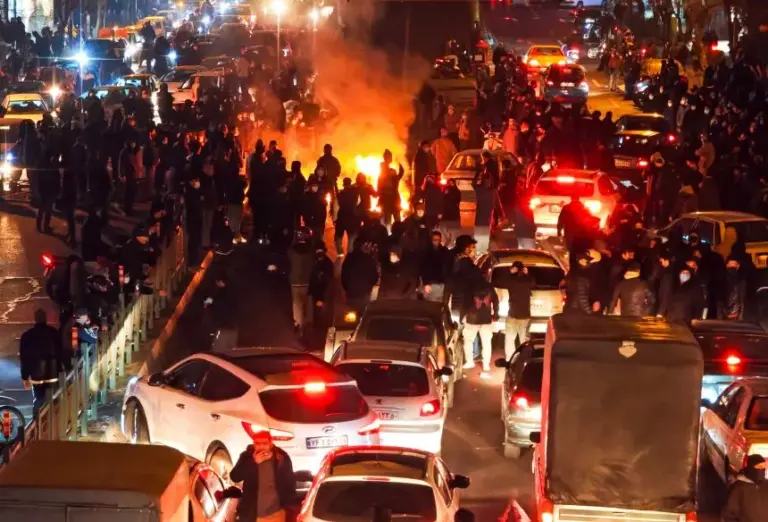
As the situation intensified, Iran’s joint military command announced plans for stepped-up attacks on regional oil and civilian infrastructure, signaling a shift in their military posture. Concurrently, airstrikes targeted Tehran, leading to explosions in civilian areas, including the city of Qom, where five people were reported killed. This marked a significant escalation in hostilities, with the conflict spilling over into civilian life.
On the same day, Iran successfully downed a U.S. F-15E fighter jet, prompting a rescue operation involving multiple aircraft. This incident underscored the high stakes involved in the ongoing military confrontations. Iran’s U.N. mission condemned Trump’s threats, labeling them as “clear evidence of intent to commit war crime,” further complicating the diplomatic landscape.
As the conflict unfolded, Iran expanded its military response beyond its borders, striking infrastructure in Gulf countries. This aggressive posture has resulted in significant casualties, with over 1,900 people reported killed in Iran since the war began. The impact of these military actions has also been felt in neighboring countries, with reports of casualties in Lebanon and the UAE, where debris from intercepted projectiles injured three people.
Diplomatic efforts to de-escalate the situation are ongoing, with talks involving Oman and other regional powers. However, the effectiveness of these negotiations remains uncertain. Iranian officials have tied the reopening of the Strait to compensation for war damages, indicating that they may not easily acquiesce to U.S. demands.
As of now, the situation remains volatile, with military operations continuing and casualties mounting. The exact number of casualties and the status of ongoing military operations remain unclear. The international community watches closely, as the implications of this conflict extend beyond the immediate region, affecting global oil supplies and geopolitical stability.
In summary, the sequence of events surrounding the Strait of Hormuz highlights the precarious balance of power in the region. The ongoing military escalation and diplomatic brinkmanship pose significant risks for all parties involved, with the potential for a broader conflict looming on the horizon.