









India has officially rejected China’s attempt to assign fake names to locations in Arunachal Pradesh, a region that India considers an integral part of its territory. This assertion comes amidst ongoing tensions between the two nations over territorial claims.
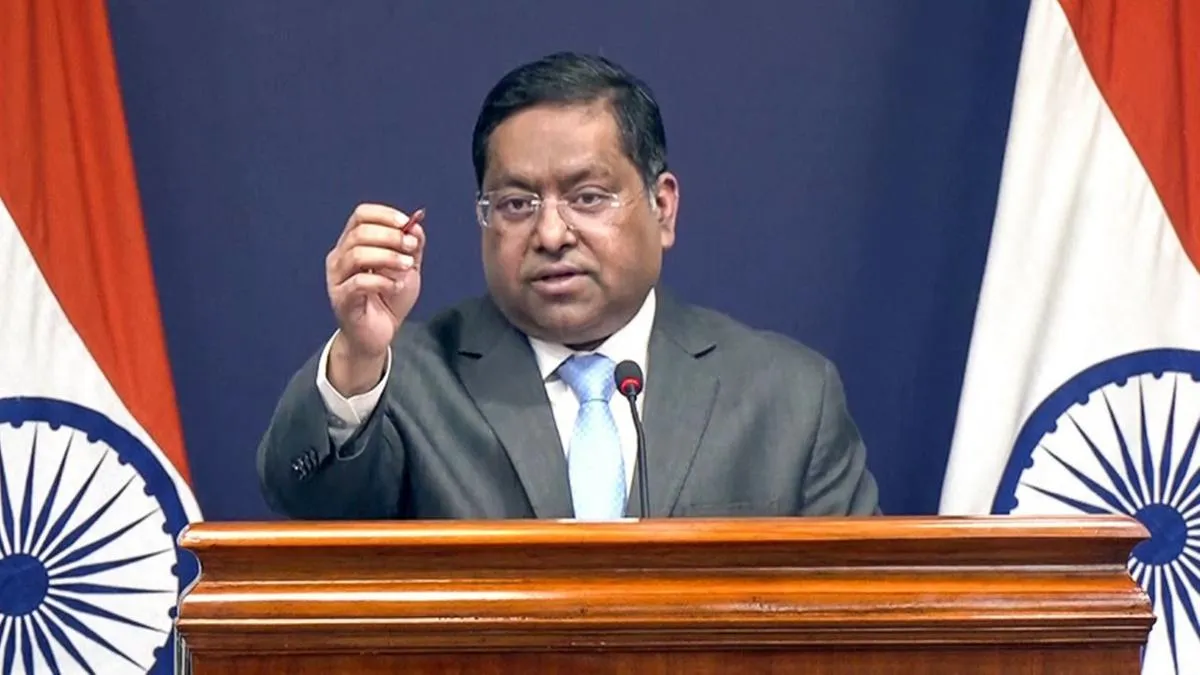
Ministry of External Affairs (MEA) spokesperson Randhir Jaiswal emphasized, “‘പേരിട്ടാൽ സ്വന്തമാകില്ല’” (naming does not confer ownership), reinforcing India’s stance on the matter. Jaiswal’s remarks highlight the firm position India maintains regarding its sovereignty over Arunachal Pradesh.
China’s actions are viewed as detrimental to the already strained bilateral relations and efforts toward normalization. The naming dispute is just one of many issues that have historically plagued India-China relations, particularly concerning territorial disputes in the Himalayan region.
India has consistently maintained that baseless claims by China do not alter the reality of its territorial sovereignty. The MEA’s strong response underscores the sensitivity surrounding Arunachal Pradesh, which China refers to as South Tibet.
This ongoing dispute reflects the broader context of India-China relations, which have been characterized by a series of confrontations and diplomatic challenges over the years. The naming controversy is seen as part of China’s strategy to assert its claims over disputed territories.
Observers note that such provocations from China could hinder the progress of diplomatic talks aimed at resolving outstanding issues between the two countries. The situation remains fluid, with both nations closely monitoring each other’s moves.
As the geopolitical landscape evolves, the implications of this naming dispute may extend beyond bilateral relations, potentially affecting regional stability in South Asia. Details remain unconfirmed regarding any further responses from China following India’s firm rejection.