





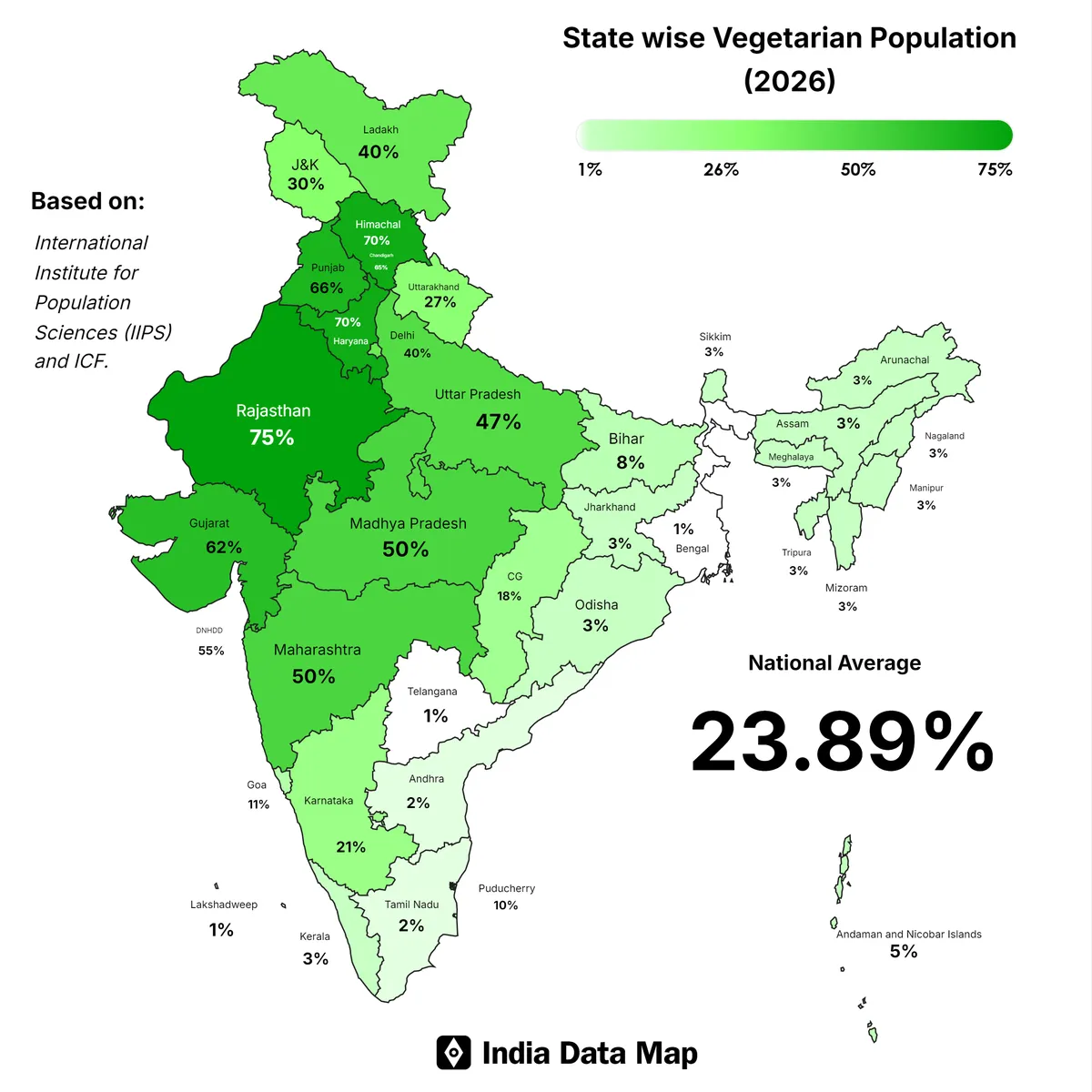
Current State of India’s Population
As of March 2026, India continues to witness significant demographic changes, particularly in the context of women’s representation and wildlife conservation. Women now represent nearly half of India’s population, marking a pivotal shift in societal dynamics.
Recent statistics indicate that female enrolment in higher education has surpassed that of males, reflecting a growing commitment to gender equality in education. Furthermore, over two lakh women-owned micro, small, and medium enterprises (MSMEs) are actively participating in the Government e-Marketplace, showcasing the increasing role of women in the economy.
Wildlife Conservation Efforts
In parallel to these demographic changes, India has made strides in wildlife conservation, particularly with the reintroduction of cheetahs through Project Cheetah. This initiative, launched on September 17, 2022, aims to restore the cheetah population, which became extinct in India in 1952.
As of early 2026, the total cheetah population in India has reached 35, with a significant milestone occurring on February 7, 2026, when Aasha, a Namibian cheetah, gave birth to five cubs. Bhupender Yadav, the Minister of Environment, Forest and Climate Change, expressed enthusiasm about this development, stating, “Kuno welcomes the birth of FIVE Cubs. Aasha’s legacy leaps forward–India welcomes her five adorable cubs!”
Currently, there are 24 surviving Indian-born cubs, a testament to the efforts of field staff and veterinarians dedicated to the success of this project. Yadav emphasized the commitment of these professionals, calling it a “shining testimony to the unwavering dedication, skill, and commitment of the field staff and veterinarians working tirelessly on the ground.”
Significance of These Developments
The advancements in women’s empowerment and wildlife conservation are interconnected, as both reflect India’s broader goals for development. Droupadi Murmu, the President of India, highlighted the importance of women’s participation, stating, “True development requires equal participation of women, who represent nearly half of India’s population.”
She further noted that women’s empowerment is vital for India’s aspiration to become a developed nation by 2047, underscoring the critical role women play in shaping the future of the country.
As India navigates these changes, the interplay between population dynamics and conservation efforts will be crucial in defining the nation’s trajectory in the coming years.