









Market Overview
On March 12, 2026, the Hang Seng Index fell 0.7% to close at 25,717. This decline came amid a backdrop of rising oil prices and heightened compliance concerns following Hong Kong’s largest insider trading crackdown in years. The market was reacting to a complex interplay of geopolitical tensions and regulatory developments that have raised risk premiums across various sectors.
Geopolitical Tensions and Oil Prices
A sharp spike in oil prices, attributed to ongoing tensions in the Middle East, significantly impacted market sentiment. Despite the International Energy Agency (IEA) planning to release a record 400 million barrels of oil to mitigate supply disruptions caused by the Iran war, the market remained volatile. The IEA’s action represents the largest such release in the organization’s history, yet it was overshadowed by immediate concerns over rising energy costs.
Impact on Key Sectors
Property and financial sectors led the decliners in the Hang Seng Index, reflecting broader market anxieties. Companies like Swire Properties and Henderson Land Development faced increased scrutiny as compliance fears loomed large due to the insider trading crackdown. The heightened regulatory environment has made investors wary, further contributing to the index’s decline.
Cathay Pacific’s Response
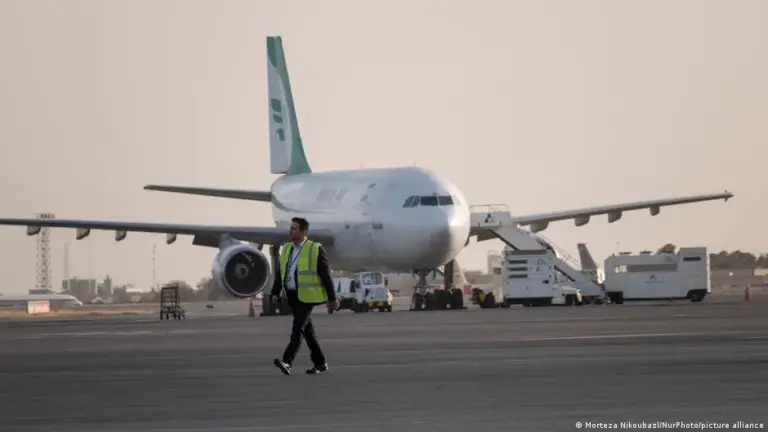
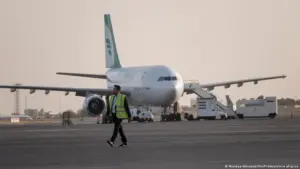
In response to the rising fuel costs, Cathay Pacific announced it would raise fuel surcharges on all routes starting March 18. The airline’s shares dropped 1.6% as investors reacted to the implications of increased operational costs stemming from geopolitical risks. This move underscores the direct impact of fluctuating oil prices on the aviation sector and highlights the interconnectedness of global events on local markets.
Oil Market Reactions
As tensions escalated, U.S. West Texas Intermediate futures jumped 3.82% to $90.55 per barrel, while Brent crude was trading around 4.19% higher at $95.8 per barrel. These increases reflect the market’s response to supply concerns and geopolitical instability, which have historically influenced oil prices. The volatility in oil markets has significant implications for economies reliant on energy imports, including Hong Kong.
Current State of the Hang Seng Index
As of now, the Hang Seng Index’s decline is indicative of broader market trends influenced by external factors. The combination of rising energy costs and regulatory scrutiny has created an environment of uncertainty for investors. Details remain unconfirmed regarding the exact timeline for the IEA oil release and the potential long-term effects of the insider trading crackdown on market activity.
The recent developments surrounding the Hang Seng Index highlight the intricate relationship between geopolitical events, regulatory actions, and market performance. As investors navigate this uncertain landscape, the focus will remain on how these factors will shape the future of the index and the broader financial environment in Hong Kong.