








Gold Rates Surge Amid Escalating Middle East Tensions
The US–Israel war with Iran has escalated, impacting global financial markets and increasing demand for safe-haven assets. As a result, gold rates have seen a remarkable surge, with prices reaching a high of $5,182 per troy ounce on March 6, 2026. This increase of $104 per ounce marks a significant shift in the market, reflecting investors’ concerns over geopolitical instability.
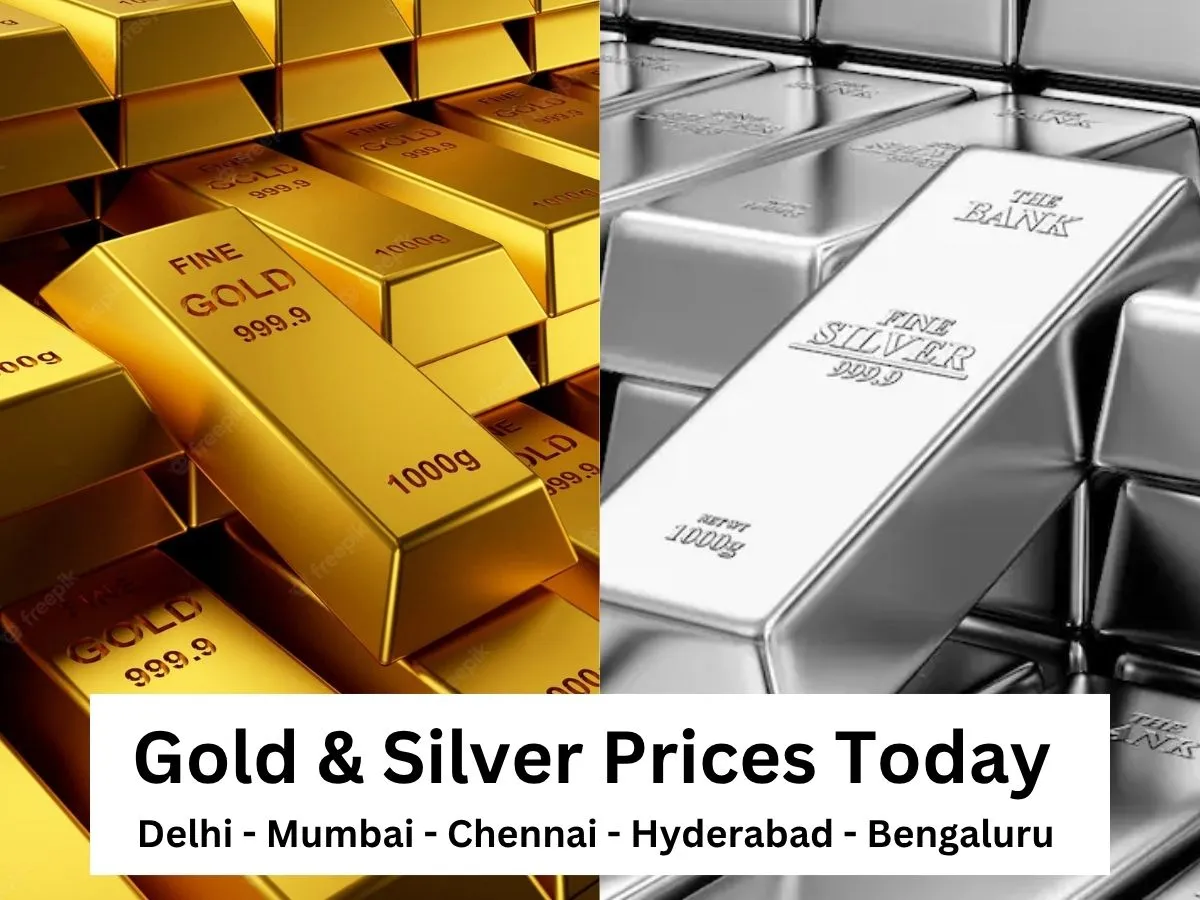
In addition to gold, silver has also seen a rise, with the May silver futures contract strengthening by $3.15 per troy ounce to a high of $85.33. The fluctuations in these precious metals are largely driven by international developments, particularly the ongoing tensions in the Middle East.
The backdrop of this surge in gold rates is the disappointing employment data released for February, which revealed that the US economy lost 92,000 jobs, contrary to economists’ expectations of a gain of 50,000. This unexpected downturn has contributed to a rise in the unemployment rate to 4.4%, further fueling concerns about the economic outlook.
Traders are now pricing in 43 basis points of Federal Reserve rate cuts towards the end of the year, following the jobs report. Mary Daly, a prominent economist, commented on the employment data, stating, “February’s employment data was disappointing and undermined the notion that the labor market was stabilizing.” This sentiment is echoed by many analysts who view the current economic climate as precarious.
On the commodities market, the April gold futures contract on MCX jumped ₹2,839 per 10 grams to a high of ₹1,62,512, while silver prices in Delhi are approximately ₹284,900 per kilogram. In Delhi, gold prices are around ₹163,020 per 10 grams, reflecting the global trends in precious metals.
Former President Donald Trump has weighed in on the situation, stating that there would be “no deal with Iran” unless it agrees to “unconditional surrender.” This statement underscores the severity of the current geopolitical tensions and their potential impact on global markets.
As the conflict continues into its seventh day, observers are closely monitoring the situation, noting that fluctuations in gold and silver prices are largely being driven by these international developments. The ongoing war has led to increased demand for gold as a long-term inflation hedge, particularly in low-interest rate environments.
Looking ahead, analysts suggest that if the geopolitical tensions persist, gold rates may continue to rise as investors seek refuge in safe-haven assets. However, details remain unconfirmed as the situation evolves.