








Key moments
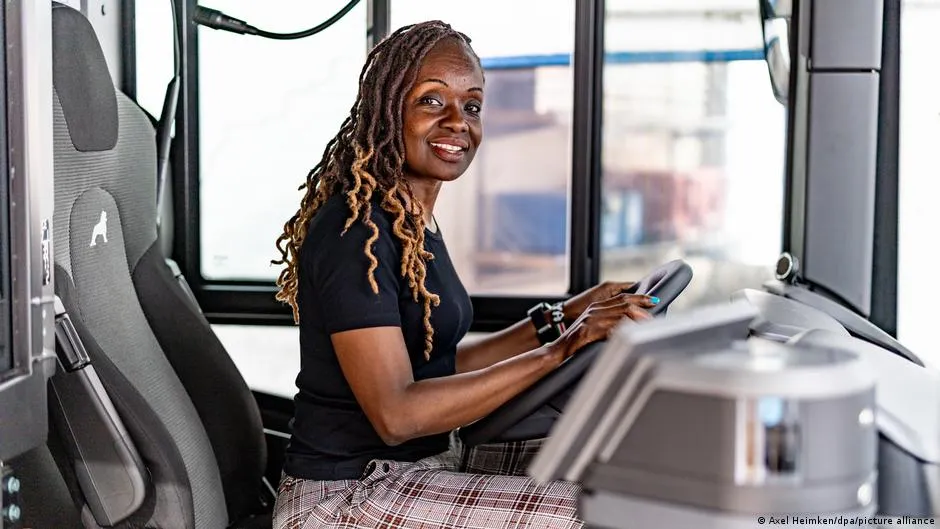
Germany is currently facing a critical skilled worker shortage, with the government estimating a need for 400,000 foreign skilled workers each year over the next decade. This urgent requirement is driven by an aging population and a rapidly changing labor market, where many employees are nearing retirement age.
As of now, more than 20% of Germany’s workforce is at least 55 years old, with a significant portion expected to retire within the next ten years. This demographic shift is exacerbating the existing labor shortages, as younger candidates are increasingly moving to other sectors, leaving vital positions unfilled.
In response to this crisis, the WE-Fair alliance has been established to attract foreign skilled workers while simultaneously strengthening training structures in their countries of origin. This initiative aims to create a sustainable pipeline of talent that can support Germany’s economy.
India, with its vast labor surplus of 600 million people under the age of 25, presents a significant opportunity for Germany. However, only 12 million of these young individuals enter the workforce each year, highlighting the need for strategic partnerships to facilitate their migration to Germany.
The Migration and Mobility Partnership Agreement signed in 2022 has streamlined the process for Indian workers to move to Germany. As part of this agreement, Germany plans to increase the skilled work visa quota for Indian citizens from 20,000 to 90,000 annually by the end of 2024, reflecting a proactive approach to addressing the skilled labor gap.
In terms of financial incentives, Indian workers in Germany are projected to earn around 29% more than their German counterparts in 2024, with a median gross monthly income of €5,393 compared to €4,177 for German workers. This wage disparity is likely to attract more skilled workers from India, further supporting Germany’s labor needs.
However, challenges remain. Germany’s immigration process for skilled workers is often delayed due to bureaucracy and overburdened immigration offices, which can hinder the timely arrival of necessary talent. As Reem Alabali Radovan stated, “Germany needs qualified skilled workers,” emphasizing the urgency of the situation.
Business leaders are also weighing in on the issue. Joachim Lederer remarked, “I wouldn’t be in business today without India,” highlighting the critical role that foreign talent plays in sustaining German industries. As the country navigates this skilled worker shortage, the treatment and integration of immigrants already residing in Germany will be crucial for maintaining its attractiveness as a destination for skilled labor.