









Reaction from the field
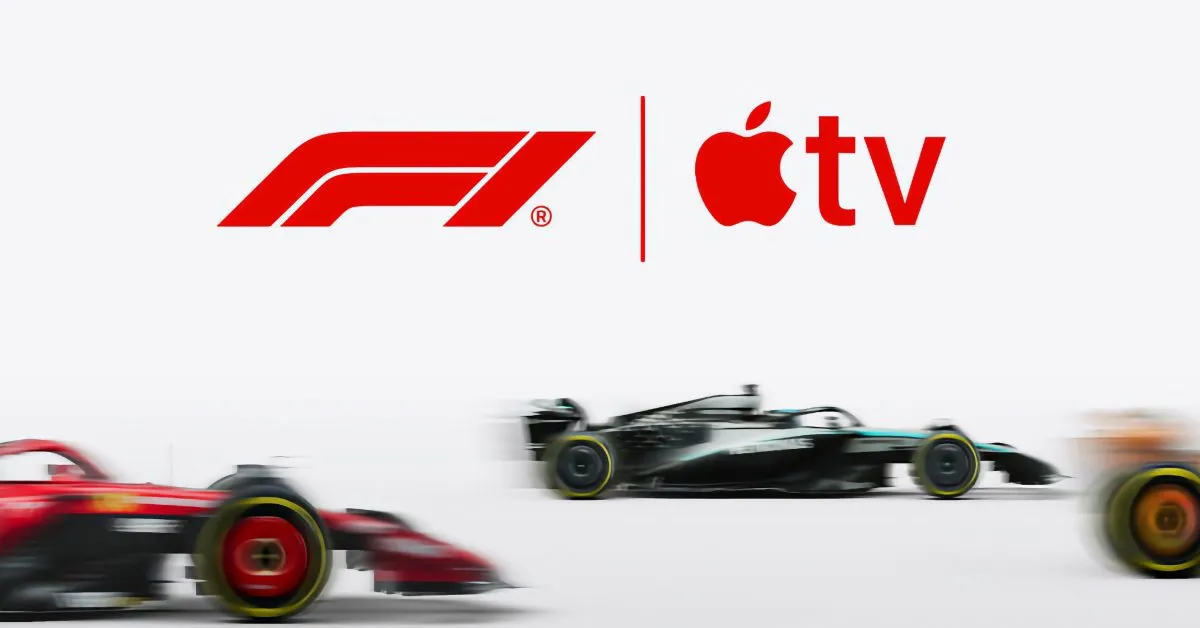
Apple TV has entered an exclusive deal to broadcast Formula 1 in the United States starting with the 2026 season. This agreement marks a significant shift in how American fans will access Formula 1 content, as all Grand Prix, qualifying, and practice sessions will be available through the streaming service. The subscription for Apple TV is priced at $12.99 per month or $99 per year, making it a competitive option for viewers.
In addition to live race coverage, Apple TV will include F1.TV Premium as a complimentary perk for subscribers. This integration is expected to enhance the viewing experience for fans, providing them with in-depth analyses, behind-the-scenes content, and additional features that F1.TV offers.
Before this deal, Formula 1 was broadcast live on ESPN in the US, which has been the standard for American viewers. The transition to Apple TV represents a strategic move by Formula 1 to tap into the growing streaming market, aligning with global trends where traditional cable subscriptions are declining.
In a recent incident at the Japanese Grand Prix, Haas F1 driver Ollie Bearman experienced a severe crash, registering a 50G impact. Following the accident, Bearman was taken to the FIA medical centre for evaluation, where it was confirmed that he suffered a right knee contusion but no fractures. This incident prompted a safety car deployment during the race, highlighting ongoing concerns regarding driver safety and race conditions.
Carlos Sainz, a fellow driver, commented on the incident, stating, “With the accident with Ollie, we’ve been warning them with these closing speeds that this was going to happen.” His remarks underscore the critical need for ongoing dialogue between teams and regulators to ensure the safety of drivers during races.
Furthermore, Sainz expressed hope that this incident would serve as a wake-up call, saying, “I hope it serves as one example, if they listen to teams and drivers… the racing is clearly not OK.” This sentiment reflects a growing concern among drivers regarding the safety measures currently in place.
As Formula 1 prepares for its new broadcasting era with Apple TV, the implications of this partnership will unfold over the coming months. The integration of F1.TV with Apple TV could redefine how fans engage with the sport, but it also raises questions about accessibility and the potential impact on viewership numbers.
Details remain unconfirmed regarding how the transition will affect existing viewers and the overall strategy for increasing Formula 1’s presence in the U.S. market. As the 2026 season approaches, fans and stakeholders alike will be watching closely to see how these changes will shape the future of Formula 1 in America.