










Performance Expectations
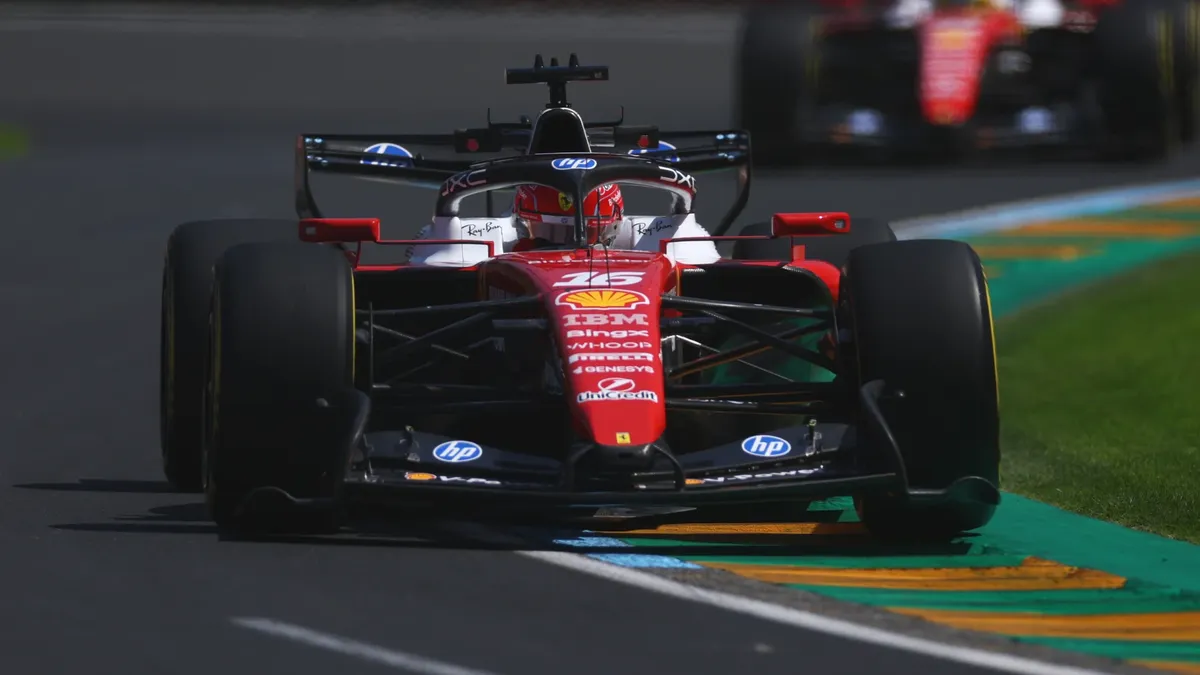
As the 2026 Formula 1 season commenced, teams were eager to showcase their advancements. Charles Leclerc set the fastest time in the first practice session (FP1) at the Australian Grand Prix, signaling a strong start for Ferrari. However, expectations quickly shifted as the second practice session (FP2) unfolded.
Decisive Changes in FP2
Oscar Piastri emerged as a standout, clocking a time of 1m19.729s in FP2, which was half a second faster than Leclerc’s FP1 time. This marked a significant shift in momentum, as Piastri’s performance highlighted the competitive edge of McLaren over Ferrari. Meanwhile, Carlos Sainz faced a setback, completing only 10 laps before a technical issue sidelined him.
Aston Martin’s Struggles
In contrast, Aston Martin’s drivers, Fernando Alonso and Lance Stroll, encountered severe vibration issues, which may prevent them from completing half of the race. Alonso can manage only 25 laps, while Stroll is limited to 15 laps due to the risk of permanent nerve damage. This situation raises concerns about their overall performance and safety.
Expert Insights
Fernando Alonso expressed his frustrations, stating, “The vibrations coming from the engine are hurting a little bit the components in the car and as drivers we feel them.” Adrian Newey, the team principal of Aston Martin, acknowledged the reliability problems, noting that the vibrations are causing components to fail, including mirrors and tail lights.
Looking Ahead
Despite these challenges, Newey emphasized the importance of teamwork, stating, “We are working together as one team and further measures are already under consideration.” However, the timeline for resolving the vibration issues remains unclear, leaving the performance potential of Aston Martin’s car unconfirmed.
As the Australian Grand Prix approaches, the contrasting fortunes of the teams highlight the unpredictable nature of F1. While some drivers excel, others face significant hurdles that could impact their season.