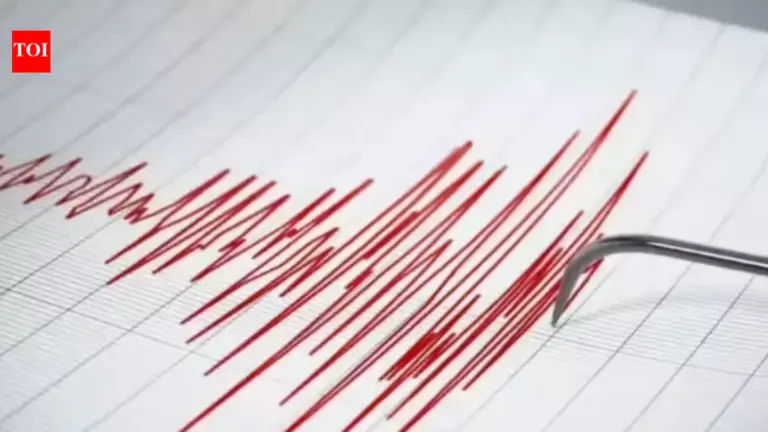







Before this recent seismic event, residents of Delhi and surrounding areas were accustomed to relatively calm conditions, with little expectation of significant earthquakes. However, on April 3, 2026, at 9:50 PM, a 5.9-magnitude earthquake struck the Hindu Kush region of Afghanistan, sending strong tremors across Delhi-NCR and several parts of North India.
The earthquake’s epicenter was located in Badakhshan province, Afghanistan, at a depth of 150 km. The tremors were felt not only in Delhi but also in cities like Noida, Chandigarh, and Srinagar, prompting immediate concern among residents.
Witnesses described the experience vividly. Baldev Chand stated, “I felt a strong jolt which lasted for a few seconds,” while Vaishali Poddar remarked, “I’ve never felt tremors this strong before.” The intensity was such that furniture in homes began to shake, indicating the force of the seismic activity.
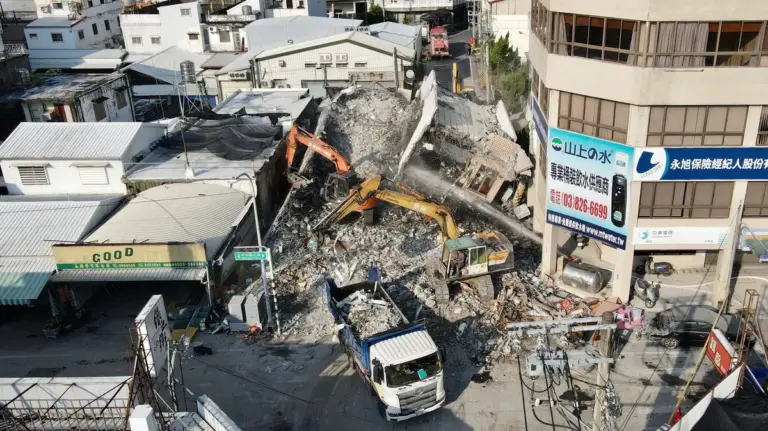
Despite the strong tremors, there have been no immediate reports of damage or casualties, which is a relief for the affected populations. The quick response from local authorities has been commendable, as they continue to monitor the situation closely.
Tremors were also felt briefly in several cities across Pakistan, indicating the widespread impact of the earthquake. The geographical proximity of these regions to the Hindu Kush makes them susceptible to such seismic events.
Experts emphasize the importance of preparedness in earthquake-prone areas like North India. The Hindu Kush region is known for its seismic activity, and this event serves as a reminder of the potential risks involved.
As the situation develops, residents are urged to remain vigilant and prepared for any aftershocks. The community’s resilience will be tested as they navigate the aftermath of this significant earthquake.
Details remain unconfirmed regarding any further impacts or aftershocks, but the initial response has been reassuring for many. The focus now shifts to ensuring safety and assessing any potential damages in the coming hours.