









The wider picture
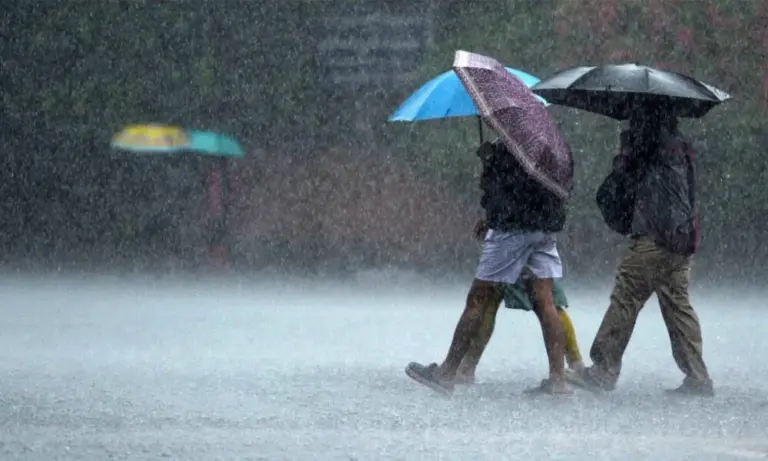
The rainfall is part of a western disturbance system, typical for this time of year in northern India. The India Meteorological Department (IMD) has forecasted rain starting March 18, 2026, accompanied by thunderstorms and gusty winds. This weather pattern is expected to provide a much-needed respite from the high daytime temperatures that have recently hovered around 33°C.
A yellow alert has been issued for Delhi from March 18 to 20, warning residents of potential weather disruptions. The alert emphasizes the need for caution while commuting or planning outdoor activities during this period. Mahesh Palawat, a meteorologist, noted that the current western disturbance is positioned over North Pakistan and adjoining Jammu and Kashmir, which is causing heavy rainfall in the western Himalayan regions.
As the rain approaches, daytime temperatures in Delhi are expected to drop significantly. On March 19, temperatures are forecasted to be around 29°C, with nighttime lows expected to reach 19°C. By March 20, maximum temperatures are likely to decrease further to 27°C, while minimum temperatures will settle around 17°C. This shift in temperatures is a welcome change, especially considering the average precipitation in Delhi on March 19 was recorded at 9.4 mm, marking it as the wettest March since 2023.
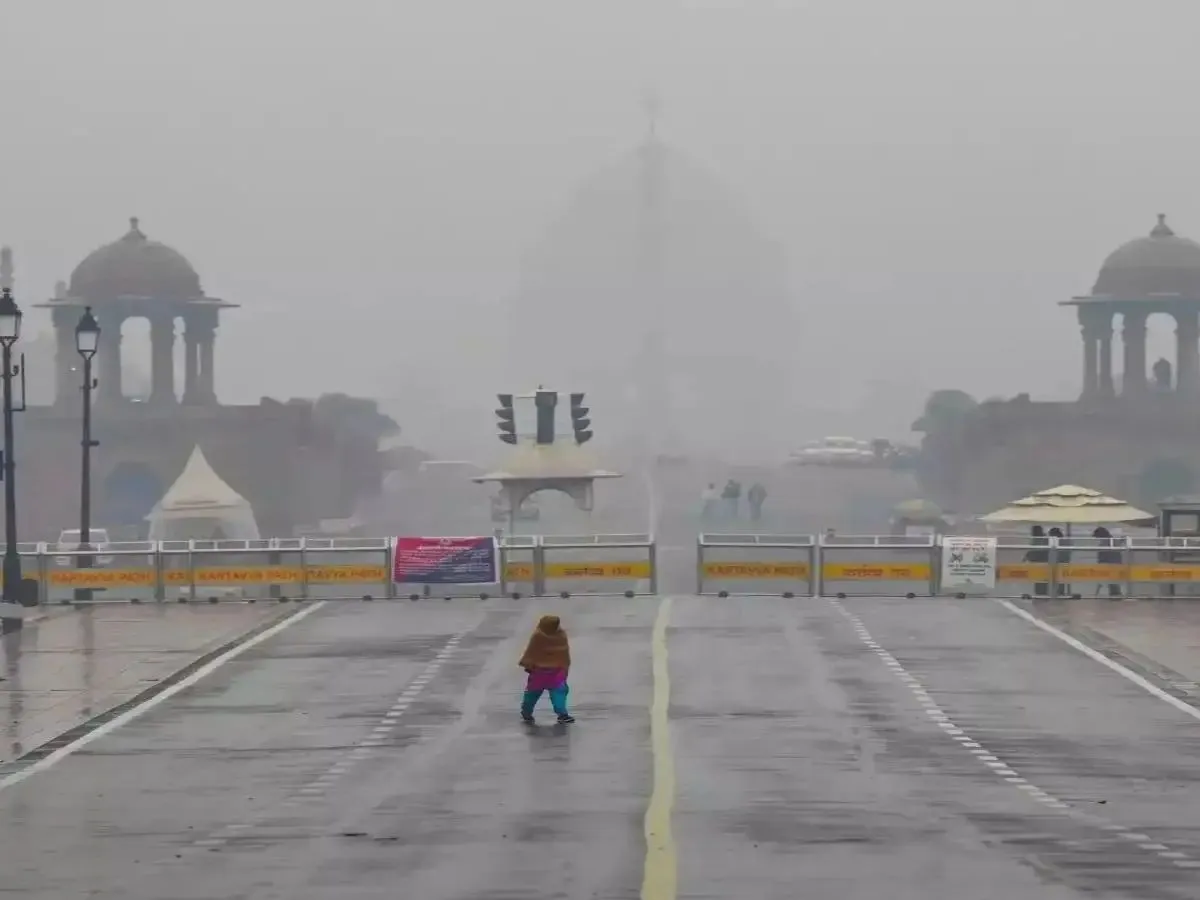
On March 19, the maximum temperature recorded was 26.8 degrees Celsius, the lowest so far this month. This drop in temperature, coupled with rainfall, has led to an improvement in Delhi’s Air Quality Index (AQI), which moved to 137, categorizing it as ‘moderate’ after the rainfall. The rain has also resulted in fog formation due to a mix of rain-soaked air and overnight cooling, creating an unusual overlap of winter-like mornings and pre-summer afternoons.
Minimum temperatures have sharply dropped to 13 degrees Celsius, contributing to the foggy conditions. This unusual weather pattern has raised eyebrows among meteorologists, as temperatures in Delhi are currently running below what is typical for late March. Observers are keenly watching the developments, as the IMD predicts another spell of rain could hit the capital early next week.
As residents prepare for the upcoming rain, the IMD’s predictions indicate that this weather pattern may continue to influence Delhi’s climate in the coming days. The early arrival of pre-monsoon activity has been noted, suggesting a shift in seasonal weather patterns. The combination of rainfall and cooler temperatures is expected to provide temporary relief from the heat, but officials urge caution as the yellow alert remains in effect.
In summary, the upcoming rainfall in Delhi is a significant development in the region’s weather, offering a reprieve from the high temperatures and improving air quality. However, residents are advised to stay informed and prepared for potential disruptions as the weather unfolds over the next few days.