









Transforming Urban Transport
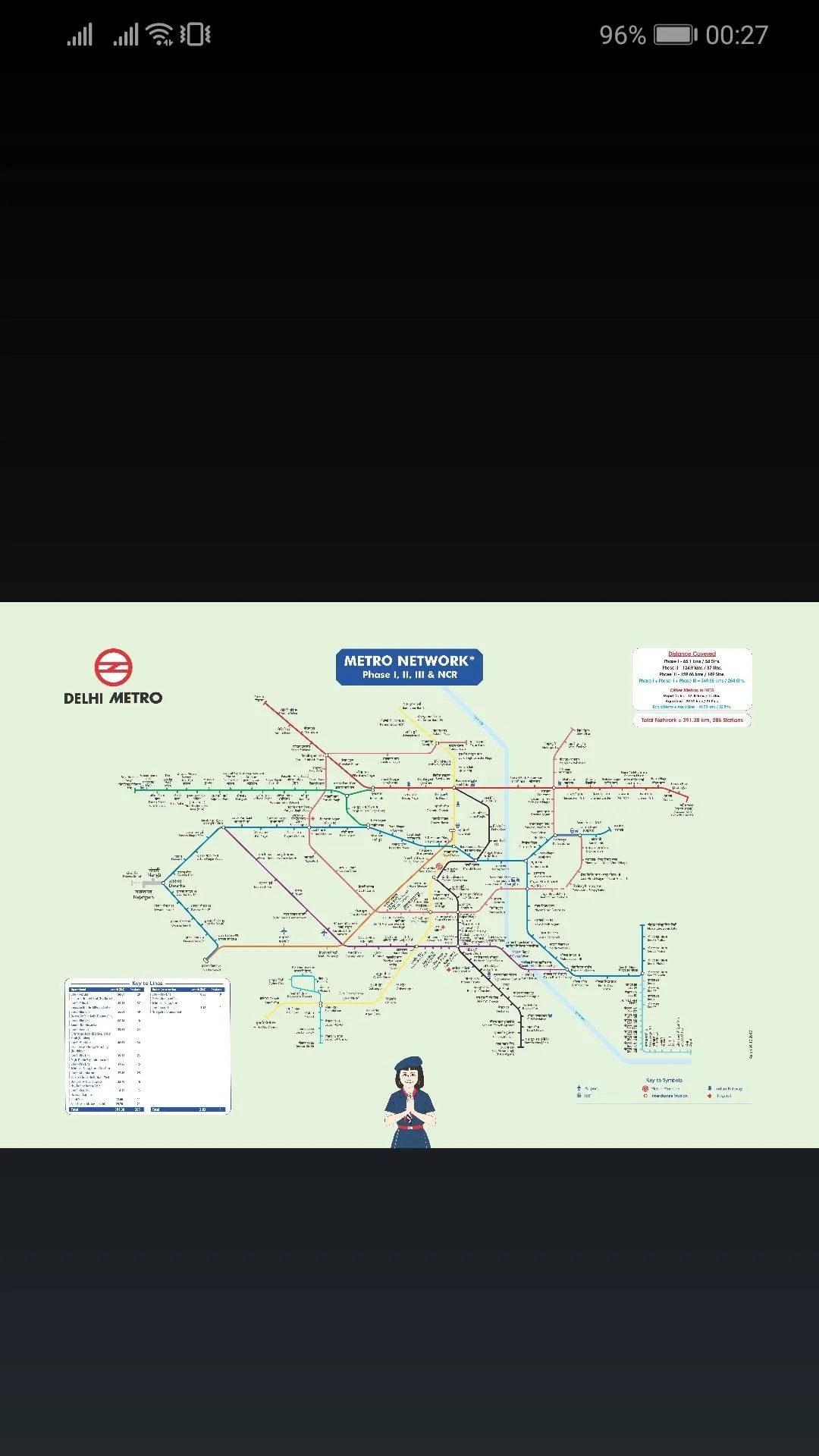
Before the recent developments, the Delhi Metro was already recognized as a vital component of urban transport in the city. With a network that had expanded to around 1,100 kilometers, it was a lifeline for millions of commuters. However, the infrastructure was still seen as needing improvement, particularly in areas like Burari, Bhajanpura, and Yamuna Vihar, which were underserved by public transport options. The expectation was that the existing metro lines would continue to serve the growing population effectively, but there was a pressing need for further expansion to meet the demands of a rapidly urbanizing city.
A Decisive Moment
Recently, Prime Minister Narendra Modi inaugurated two new corridors of the Delhi Metro, marking a significant shift in the city’s transport landscape. The Majlis Park-Maujpur Babarpur corridor, approximately 12.3 kilometers long, and the Deepali Chowk-Majlis Park corridor, measuring about 9.9 kilometers, are part of a broader initiative under Phase 5-A of the Delhi Metro. This expansion is backed by a total investment of around Rs 33,500 crore, with Rs 18,300 crore specifically allocated for the new metro corridors. This decisive moment not only reflects a commitment to modernizing infrastructure but also highlights the government’s recognition of the need for enhanced connectivity.
Direct Effects on Residents
The immediate effects of these new metro sections are expected to be profound. Residents in areas such as Burari, Bhajanpura, and Yamuna Vihar will benefit from improved access to key locations, including Noida, South Delhi, and the airport. The Pink Line will now extend to about 71.56 kilometers with the addition of these new sections, significantly enhancing the overall connectivity of the metro network. This improvement is anticipated to save commuters considerable travel time, as noted by Manohar Lal, who stated, “Metro rail has become the lifeline of Delhi and is helping commuters to save considerable travel time.”
Engineering Achievements
From an engineering perspective, the new corridors represent significant achievements. Rekha Gupta emphasized the importance of these projects, stating, “These metro corridors are also significant achievements from an engineering perspective.” The construction of a new bridge across the Yamuna River as part of the projects further exemplifies the innovative approaches being employed to modernize the city’s infrastructure.
Broader Implications
The expansion of the Delhi Metro is not just about transportation; it is part of a larger effort to enhance the quality of life for residents. Prime Minister Modi remarked, “The projects launched today will strengthen infrastructure, improve connectivity and enhance the ease of living for people in the city.” This holistic approach aims to create a more integrated urban environment, where efficient public transport plays a crucial role in urban planning and development.
A Growing Network
Historically, India had only about 245 kilometers of metro network across five cities before 2013-14. The significant growth of the metro network to its current length of around 1,100 kilometers illustrates the rapid advancements in urban transport infrastructure. This expansion is crucial for accommodating the increasing population and the corresponding demand for efficient public transport systems.
Future Prospects
As the Delhi Metro continues to evolve, the focus on enhancing connectivity and modernizing infrastructure remains paramount. The planned construction of 9,350 modern flats for government employees further indicates a commitment to supporting the workforce that will utilize these improved transport facilities. The ongoing developments in the metro system are poised to play a pivotal role in shaping the future of urban mobility in New Delhi.