









Nitish Kumar’s Transition to Rajya Sabha
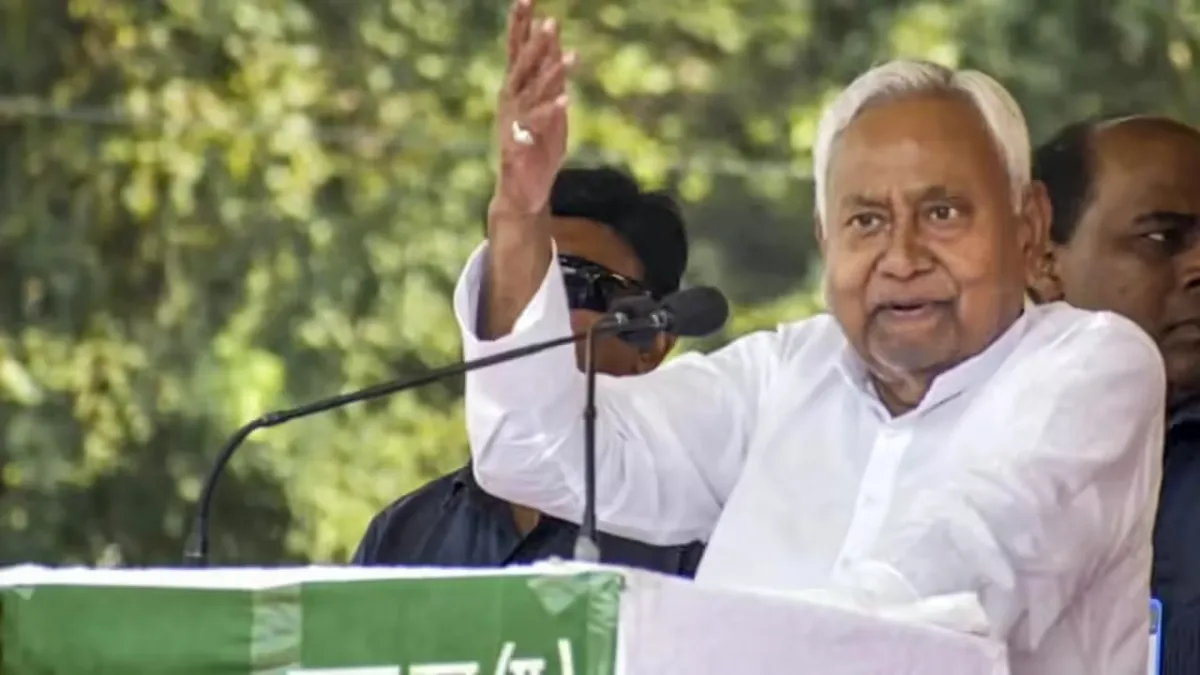
Bihar Chief Minister Nitish Kumar has announced his intention to contest the upcoming Rajya Sabha elections, a move that marks a significant shift in the political landscape of Bihar. After serving as Chief Minister for over two decades, Kumar’s decision to step down from his post has raised questions about the future of his party, the Janata Dal (United) or JD(U), and its position within the ruling National Democratic Alliance (NDA).
Political Context and Background
Having held the Chief Minister’s office ten times, Kumar’s governance has been characterized by a focus on infrastructure development and social welfare. His leadership has seen the NDA secure 202 out of 243 seats in the 2025 Bihar Assembly elections, with the BJP emerging as the single largest party, winning 89 seats, while JD(U) secured 85 seats. This electoral success has solidified Kumar’s influence in Bihar politics, yet his decision to move to the Rajya Sabha indicates a potential shift in his political strategy.
Reactions to Kumar’s Decision
The announcement has not been without controversy. Some JD(U) workers have protested against Kumar’s possible move to the Rajya Sabha, expressing concerns over the party’s future direction. Additionally, several JD(U) leaders have questioned his decision to relinquish the Chief Minister’s post, suggesting internal dissent regarding the leadership transition.
Future Implications for JD(U)
As Kumar prepares to file his Rajya Sabha nomination, the BJP is expected to nominate a successor to take over as Chief Minister. This transition opens a new phase in Bihar’s politics, with the potential for the JD(U) to struggle in maintaining its independent identity within the alliance without Kumar at the helm in Patna. Observers note that Bihar now stands at a political crossroads, with the implications of Kumar’s departure yet to be fully understood.
Uncertainties Ahead
Details remain unconfirmed regarding the exact reasons behind Nitish Kumar’s decision to step down. The impact of his departure on the JD(U)’s identity within the NDA alliance remains uncertain, as party dynamics continue to evolve. Kumar’s long-standing oscillation between the BJP and the Congress-led Opposition adds another layer of complexity to the situation.
Kumar’s Legacy
Throughout his political career, Nitish Kumar has been a prominent figure in Bihar, influenced by the JP movement in the 1970s and figures like Ram Manohar Lohia. His legacy includes significant contributions to the state’s development, but as he transitions to the Rajya Sabha, the political landscape he leaves behind is poised for change.
As Bihar prepares for this new chapter, the political community will be watching closely to see how the dynamics unfold following Kumar’s departure from the Chief Minister’s office. The future of the JD(U) and its role within the NDA will be critical in shaping the state’s governance in the years to come.