









How it unfolded
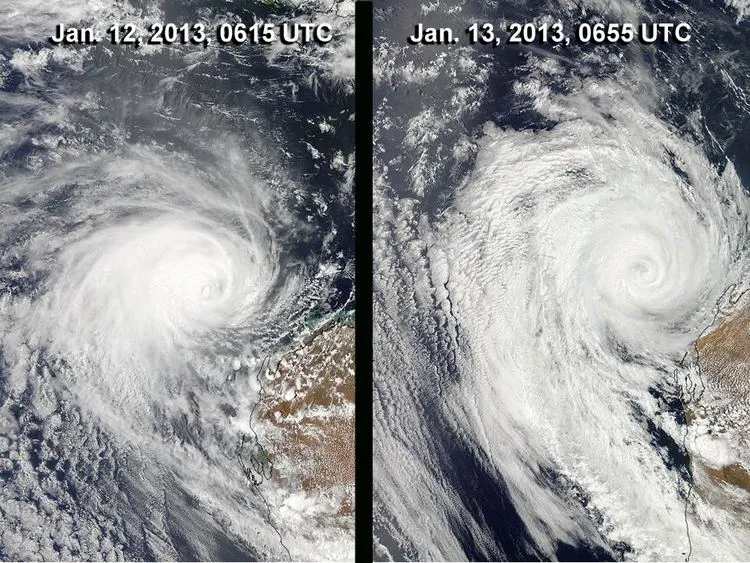
On March 30, 2026, Western Australia experienced an unusual meteorological event as Tropical Cyclone Narelle made landfall. This cyclone, which formed near the Solomon Islands, approximately 2,000 kilometers northeast of Australia, traveled an impressive 5,700 kilometers before reaching the Australian coastline. The cyclone’s impact was felt across multiple states, including Queensland and the Northern Territory, marking a rare occurrence of a storm making landfall in three Australian states and territories.
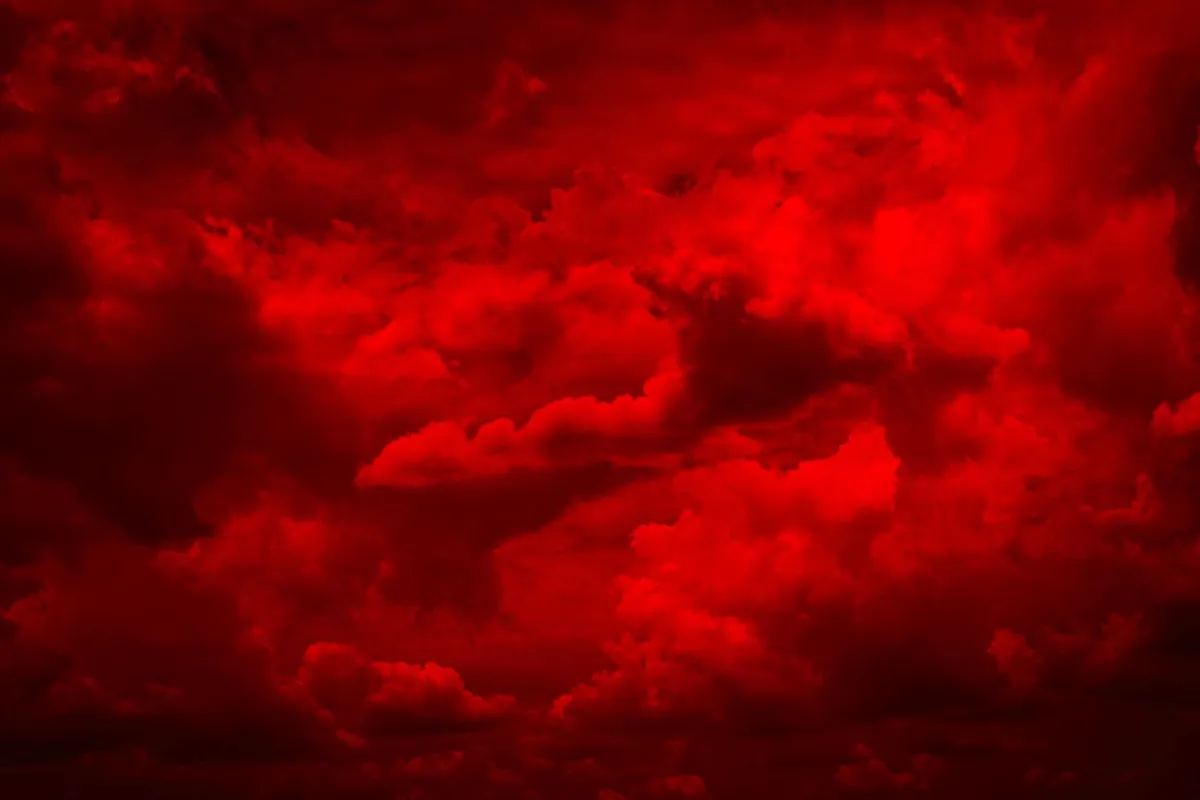
The red sky phenomenon that captivated observers was primarily caused by atmospheric dust stirred up by the cyclone’s winds. This dust, rich in iron oxide from the red soils of the Pilbara region, created a striking visual effect. Tom Gill, a local observer, remarked, “This is pretty extreme! It’s about the reddest dust levels I’ve ever seen.” Such vivid displays of red skies are uncommon in Australia, particularly during tropical cyclones, which typically bring high rainfall and limit dust storms.
In the six weeks leading up to the cyclone’s arrival, the greater northwest region of Australia had recorded only 10 to 50 mm of rainfall. This lack of moisture contributed to the conditions necessary for the dust storms to occur, as the winds from Tropical Cyclone Narelle, which extended 200 to 260 kilometers from its center, picked up and dispersed the dust across vast areas.
As the cyclone approached, local residents prepared for its impact. A holiday park owner expressed concern, stating, “Not a lot of wind yet. Let’s hope we get enough rain to wash it all off. It’s an inside day for us, that’s for sure.” This sentiment reflects the anxiety surrounding the cyclone’s potential to cause damage, as well as the hope for rain to mitigate the dust’s effects.
The atmospheric conditions created by Tropical Cyclone Narelle are a reminder of the complex interactions between cyclones and arid desert climates in Australia. While tropical cyclones are known for their heavy rainfall, Narelle’s unique characteristics led to a rare combination of dust storms and red skies, showcasing the unpredictable nature of weather phenomena in the region.
As of now, the cyclone has passed, leaving behind a landscape marked by the unusual red sky and the lingering effects of dust storms. The event serves as a significant reminder of the power of nature and the intricate weather systems that can arise from tropical cyclones.
This sequence of events is crucial for understanding the broader implications of climate patterns in Australia. The interplay between cyclones and dust storms not only affects local weather but also has potential impacts on agriculture, air quality, and public health. As meteorologists and scientists analyze the data from Tropical Cyclone Narelle, they will gain valuable insights into how such phenomena may evolve in the future.