









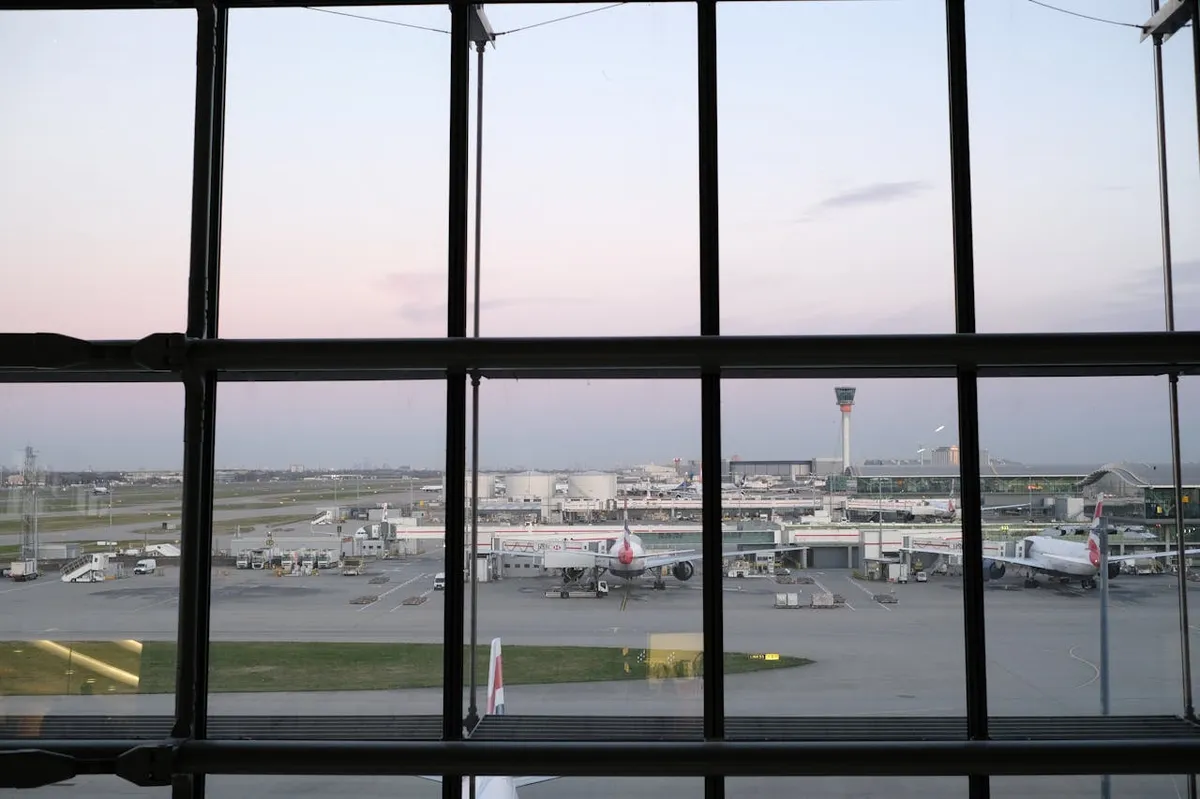
On April 12, 2026, Asia faced a significant travel crisis as 445 flights were cancelled and 3,839 were delayed across major international hubs. The disruptions impacted key airports in Tokyo, Beijing, Jakarta, Jeddah, and Dubai, stranding over 200,000 passengers and leading to widespread chaos.
China Eastern Airlines emerged as the most affected carrier, with a substantial number of cancellations that contributed to the operational turmoil. Meanwhile, Batik Air struggled with high-utilization schedules at Jakarta, which compounded the challenges faced by travelers in the region. SpiceJet also reported extensive cancellations that disrupted connections throughout the Indian subcontinent.
In Tokyo, ANA Wings absorbed significant delays at the city’s congested terminals, where the average delay duration exceeded 180 minutes. Passengers experienced extended layovers and faced rebooking issues as airlines scrambled to manage the fallout. The peak disruption hours spanned from 08:00 to 22:00, exacerbating the situation as travelers sought alternative arrangements.
Hotel accommodations near major Asian hubs quickly sold out as passengers sought refuge from the chaos. Airlines estimated that it would take between 48 to 72 hours to clear the backlog of passengers and aircraft, highlighting the severity of the disruptions. The operational challenges were further complicated by geopolitical tensions and airspace constraints that have plagued the aviation sector.
Historically, the aviation industry has faced cumulative operational stress from elevated fuel costs, crew shortages, and restricted airspace. Recent Middle Eastern airspace restrictions have forced European-Asia routes into extended detours, draining aircraft availability and complicating crew rotations. This situation has created a precarious environment for airlines operating in the region.
As the situation continues to evolve, details remain unconfirmed regarding the long-term recovery trajectory of the airline network. Observers note that disruptions could recur weekly until structural conditions improve, leaving many travelers uncertain about future travel plans.
In summary, the flight disruptions on April 12 serve as a stark reminder of the vulnerabilities within the aviation sector in Asia. With over 2,500 cancellations reported in peak single-day disruptions across the region, the need for robust contingency planning and operational resilience has never been more critical.