Introduction
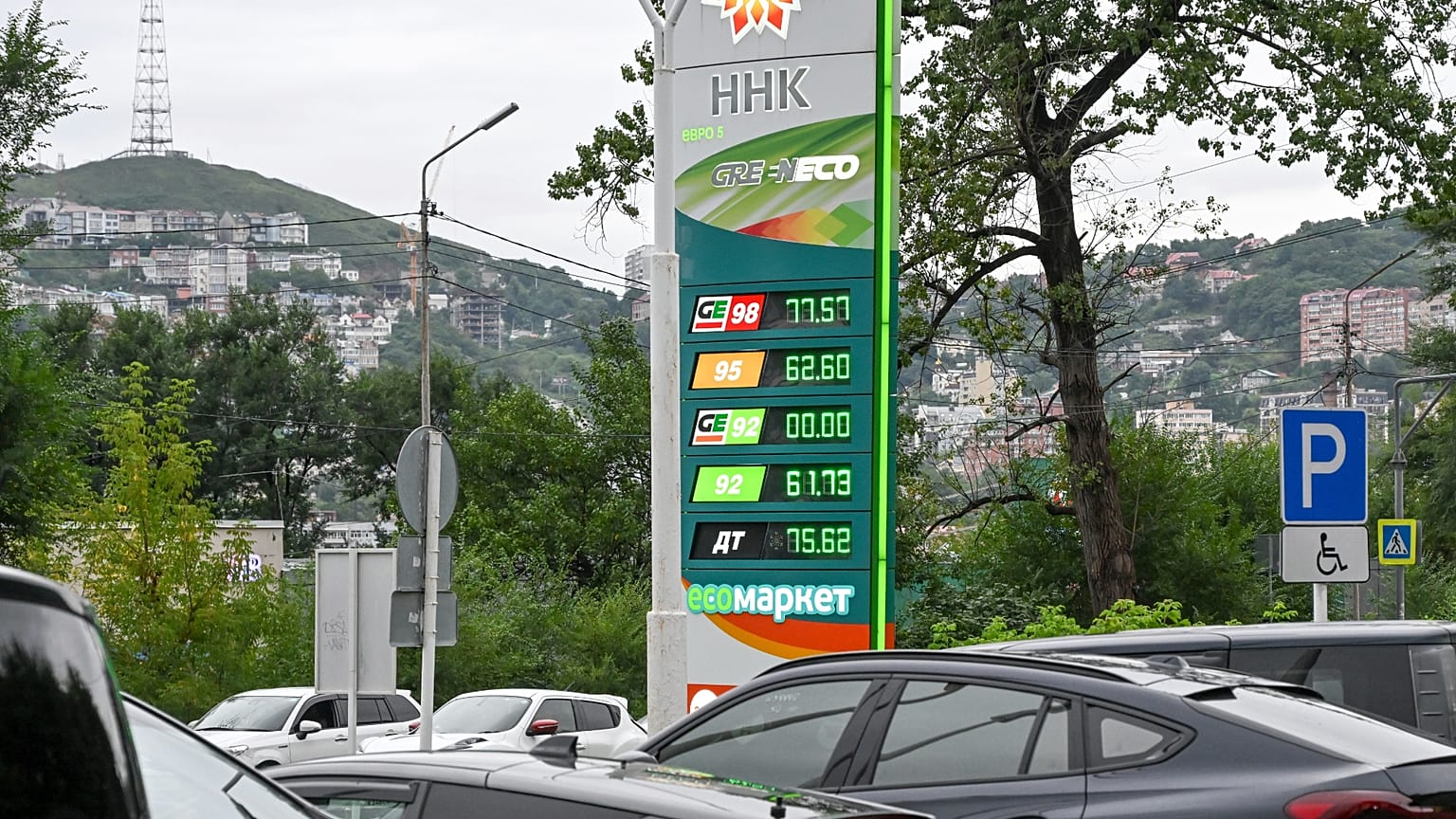
The ongoing Russia petrol crisis is a pivotal issue that resonates across global economies, impacting everything from fuel prices to geopolitical alliances. As the world’s second-largest producer of oil, changes in Russia’s petrol supply greatly influence market dynamics. The escalation of the crisis threatens to exacerbate inflation and disrupt energy security for many countries.
The Current Situation
In recent months, the Russian petrol crisis has unfolded against a backdrop of international sanctions linked to the ongoing conflict in Ukraine. Following the invasion in 2022, Western nations imposed extensive sanctions on Russia’s oil exports, aiming to cripple its economy and limit its ability to fund military operations. Consequently, Russia has witnessed a significant reduction in its petrol output, leading to combined losses of over a million barrels per day, according to data from the International Energy Agency (IEA).
Global Impact
The repercussions of this crisis are far-reaching. Countries that heavily relied on Russian oil, particularly in Europe, have faced supply shortages, prompting them to scramble for alternatives. This sudden shift has driven up prices globally. As of October 2023, Brent crude oil prices have soared to levels not seen in years, hovering around $100 a barrel. Furthermore, nations like India and China have emerged as major buyers of discounted Russian oil, reshaping the traditional oil market landscape.
Economic Consequences
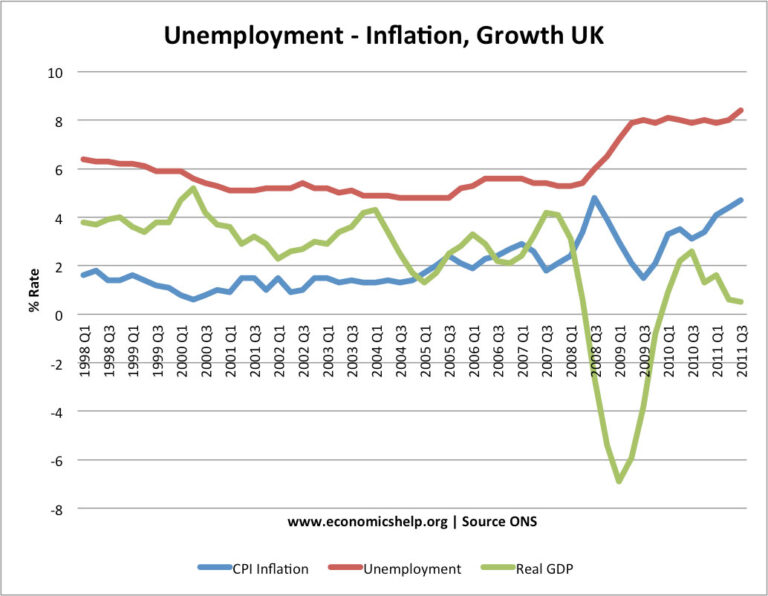
The rising petrol prices fuel inflation across various sectors, straining household budgets and raising costs for businesses. In the UK, the Bank of England forecasts that prolonged high energy costs could elevate inflation rates, complicating economic recovery efforts in a post-pandemic world. Transport sectors, in particular, report increased operational costs, which are likely to be passed on to consumers over time.
Conclusion
The Russia petrol crisis serves as a stark reminder of the interconnectedness of global energy markets and the fragility of geopolitical stability. Forecasts indicate that unless a resolution occurs—be it through diplomatic negotiation or a drastic shift in the conflict—the crisis may persist well into 2024, with lingering effects on prices, energy security, and international relations. For consumers and policymakers alike, understanding these dynamics is crucial as they influence living standards and economic prospects across the globe.