The Importance of Inheritance Tax in the UK
Inheritance tax (IHT) has long been a contentious topic in the UK, often central to discussions surrounding wealth distribution and social equity. As wealth inequality continues to rise, the debate around inheritance tax is becoming more relevant, with various political leaders proposing new measures. Recently, Labour leader Keir Starmer has brought this issue to the forefront, suggesting a re-evaluation of how inheritance tax operates in the UK.
Context of Starmer’s Proposal
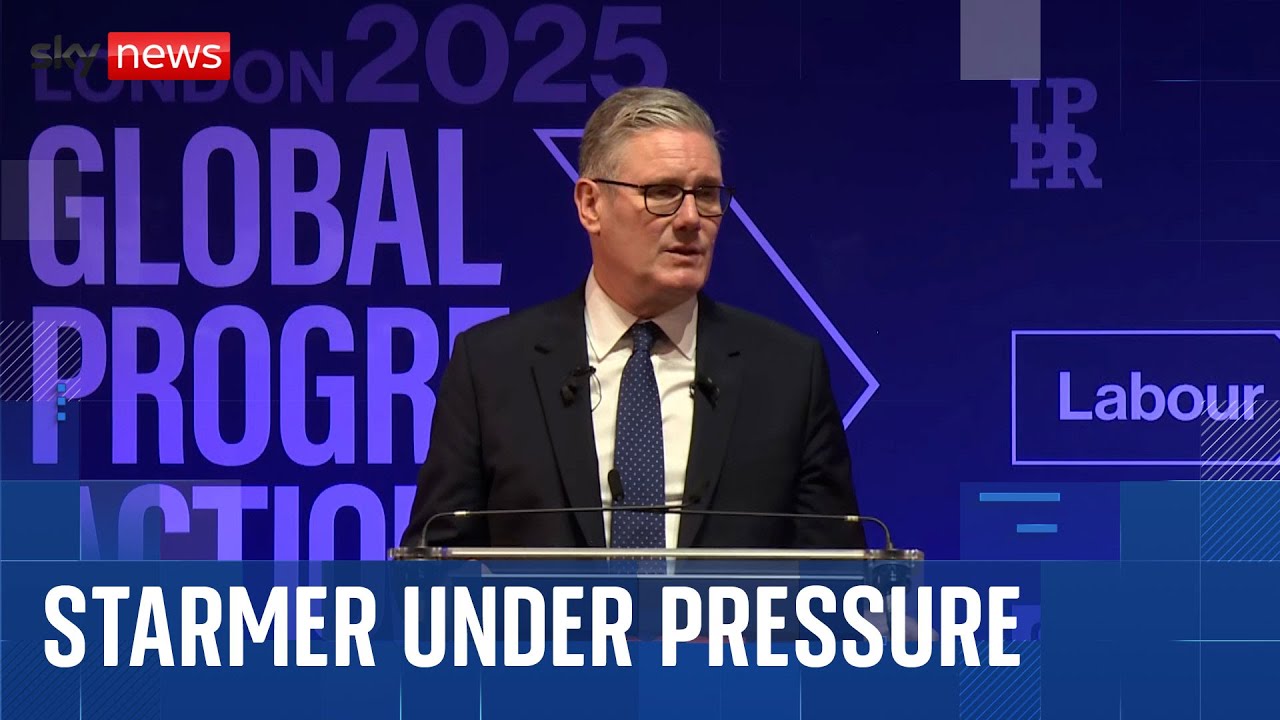
In a speech delivered at a Labour party event in Birmingham, Starmer outlined his vision for reforming the inheritance tax system. He highlighted that the current thresholds and rates disproportionately affect lower and middle-income families, while allowing wealthier individuals to evade significant taxation. Starmer proposed an increase in the IHT threshold, especially for agricultural and small business assets, with the intention of ensuring that families retain what they earn without facing hefty tax liabilities.
Starmer argued that the proposed changes would not only provide relief to struggling families but also contribute to the broader goals of reducing wealth inequality. According to recent statistics, the top 10% of earners hold 45% of the UK’s wealth, while the bottom half own less than 10%. Starmer aims to create a more equitable system where inherited wealth is taxed fairly, contributing to public services and the economy as a whole.
Public Reaction and Economic Implications
Starmer’s inheritance tax proposal has elicited mixed responses from the public and economists. Some view it as a necessary step towards ensuring a fairer society, while critics argue that it could discourage saving and investment among the middle class. The Institute for Fiscal Studies has indicated that changes to IHT could alter the landscape of wealth accumulation, prompting families to reconsider their estate planning strategies.
Furthermore, the implications for small businesses and farm owners are significant, as these groups often face premiums on their assets beyond the current tax threshold. Starmer has assured these stakeholders that his plans will consider their unique circumstances, aiming to safeguard their livelihoods while still promoting fiscal responsibility.
Conclusion: A Crucial Discussion for the Future
Keir Starmer’s position on inheritance tax reflects a growing concern over wealth inequality and the sustainability of the welfare state in the UK. As Labour prepares for the next general election, the party’s commitment to rethinking tax policies could resonate with voters who feel left behind by current economic conditions. Moving forward, it will be crucial for policymakers to engage in thorough discussions about the implications of such reforms, ensuring that changes to the inheritance tax serve the interests of all citizens—not just the affluent few.