




Introduction
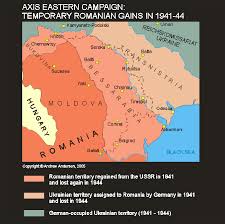
Moldova, located in Eastern Europe between Romania and Ukraine, has been in the spotlight recently due to significant political and economic developments. Its geopolitical situation is critical, especially given the ongoing tensions between Russia and Ukraine. Moldova’s aspirations for European integration, combined with economic challenges, make it a focal point for regional stability and security.
Political Developments
In recent months, Moldova has experienced a reshuffling of its government structure amid ongoing pressures from pro-Russian sentiments and economic difficulties. President Maia Sandu, who has been in office since 2020, has been a staunch advocate for aligning Moldova more closely with the European Union (EU). Her administration’s efforts have included implementing reforms to combat corruption and strengthen democratic institutions. In response, Moldova has seen increased support from Western countries, including financial assistance and political backing.
However, the government is facing internal challenges, including protests from opposition parties that accuse Sandu’s government of mismanagement and failing to address the rising cost of living and energy crises. With Moldova’s economy heavily reliant on remittances and agriculture, the ripple effects of regional instability and the energy crisis have forced the government to navigate these tumultuous waters carefully.
Economic Challenges
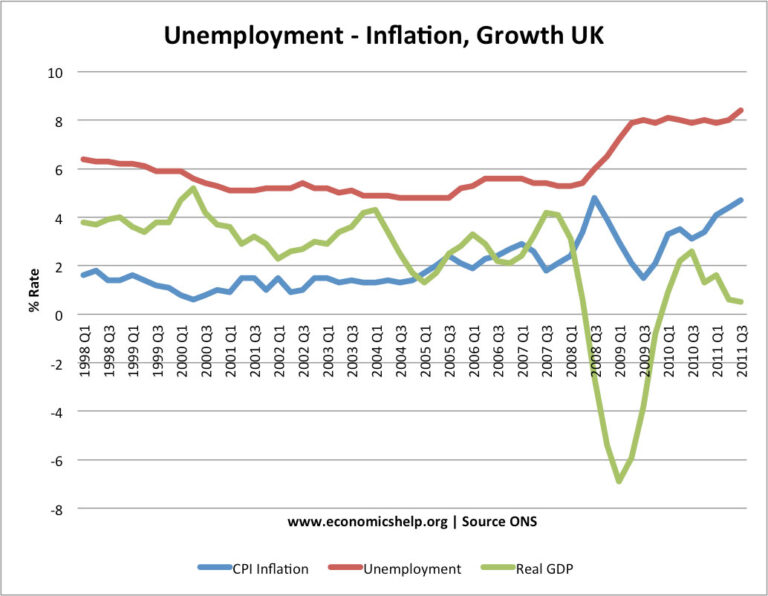
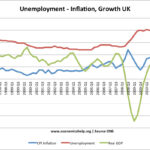
The economic landscape in Moldova is marked by vulnerabilities that have heightened during the ongoing geopolitical tensions. Inflation rates have surged, particularly for essential goods, leading many Moldovans to struggle with their daily expenses. The rise in energy prices, exacerbated by the conflict in Ukraine, has put additional strain on the nation’s economy, which was already one of the poorest in Europe.
International organisations, including the International Monetary Fund (IMF), have stepped in to provide support. The GDP growth forecast for 2023 has been tempered, with expectations of modest recovery contingent on stabilisation policies and continued integration with European markets.
Conclusion
The situation in Moldova remains precarious as the government attempts to balance internal political pressures with the need for economic resilience. The desire for EU membership offers a long-term goal that could help Moldova diversify its economy and enhance security. However, immediate challenges demand urgent attention. As Moldova navigates these crises, the outcomes of its decisions could significantly impact its future and the stability of the broader region. Observers will need to closely monitor developments in the coming months to understand better the trajectory of this small yet strategically important nation.