






Introduction
The gendarmerie plays a crucial role in maintaining public order and security in numerous countries around the world. Originating from France and often seen as a military and police hybrid force, the gendarmerie is responsible for law enforcement, particularly in rural areas and smaller towns. Understanding the importance and current developments concerning gendarmeries is pivotal in appreciating how countries manage their safety and security.
Overview of Gendarmerie Functions
Gendarmeries typically have a dual function, serving both as military police and civilian law enforcement agencies. Their duties may include maintaining public order, investigating crimes, and enforcing laws related to traffic, immigration, and security. Countries such as France, Italy, and Spain utilise gendarmeries to ensure a robust law enforcement presence, particularly in areas where police forces are less accessible due to geographic challenges.
Recent Developments in Gendarmerie Operations
In recent years, gendarmeries across Europe have adapted to changing security challenges, including terrorism, organised crime, and cyber threats. The rise of extremist groups has prompted countries like France to enhance the capabilities and training of their gendarmeries. Following a wave of terrorist attacks, significant investment has been directed towards counter-terrorism training and implementation of sophisticated surveillance technologies. Additionally, collaborative operations among European gendarmeries have increased to address cross-border crime effectively.
The Role of Gendarmerie in Crisis Management
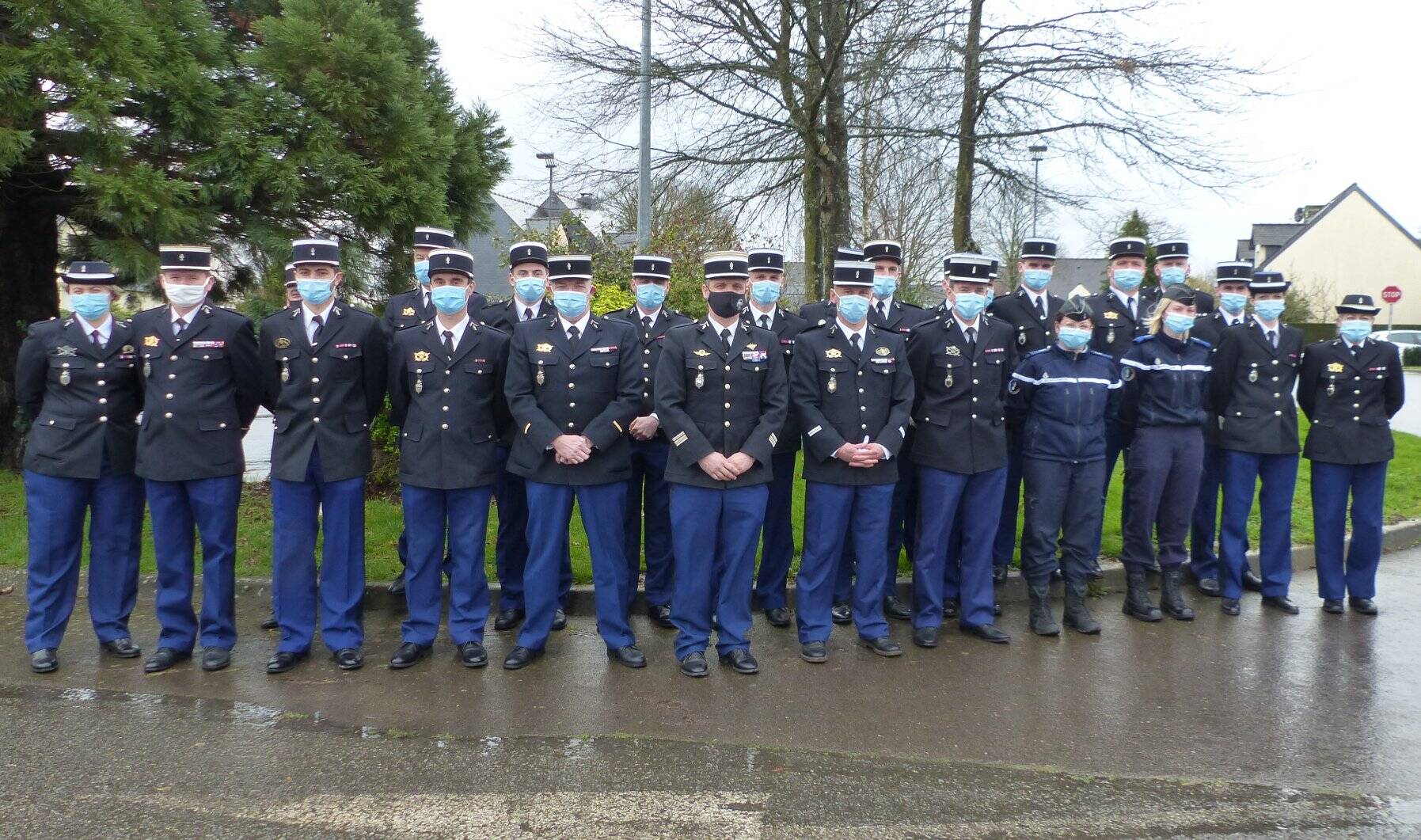
Gendarmeries are also crucial in responding to natural disasters and public emergencies. Their military background allows them to operate effectively in crisis situations, providing humanitarian assistance and logistical support. For instance, during the COVID-19 pandemic, numerous gendarmeries took on roles in enforcing public health regulations, conducting compliance checks, and ensuring safety protocols were upheld in their communities.
Conclusion
As the landscape of security evolves, the role of the gendarmerie is becoming increasingly significant. Their unique combination of military and civilian law enforcement capabilities places them in a pivotal position to tackle modern security challenges effectively. The ongoing developments in gendarmerie training and operations signify a readiness to adapt to new threats, ensuring they remain an essential component of national and regional security strategies. Understanding the multifaceted role of the gendarmerie not only highlights its importance but also provides insight into the broader framework of law enforcement in contemporary society.